BioCirCA 2025 Recap
Highlights from the first annual California Circular Bioeconomy Summit, November 5-6th
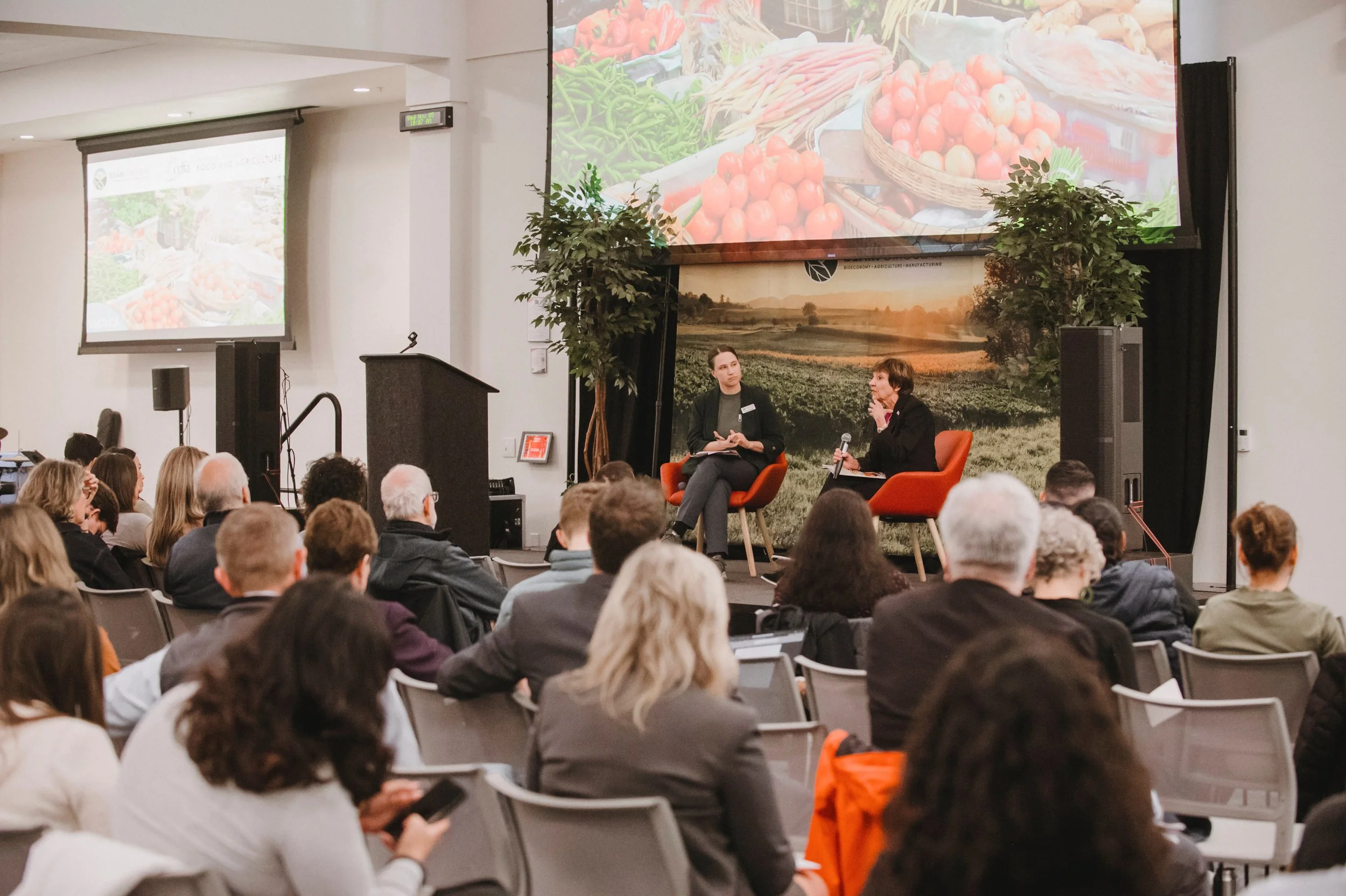
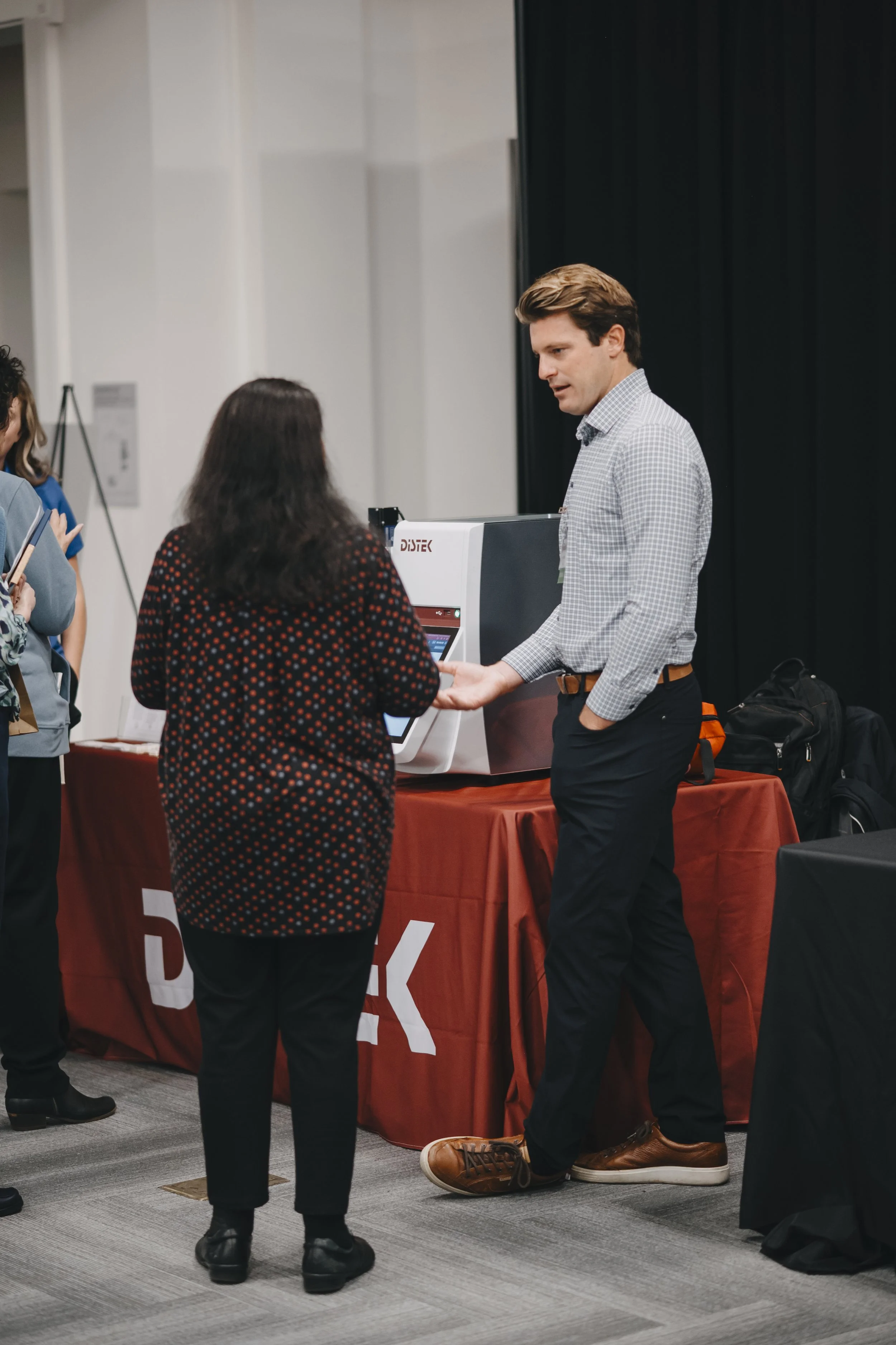
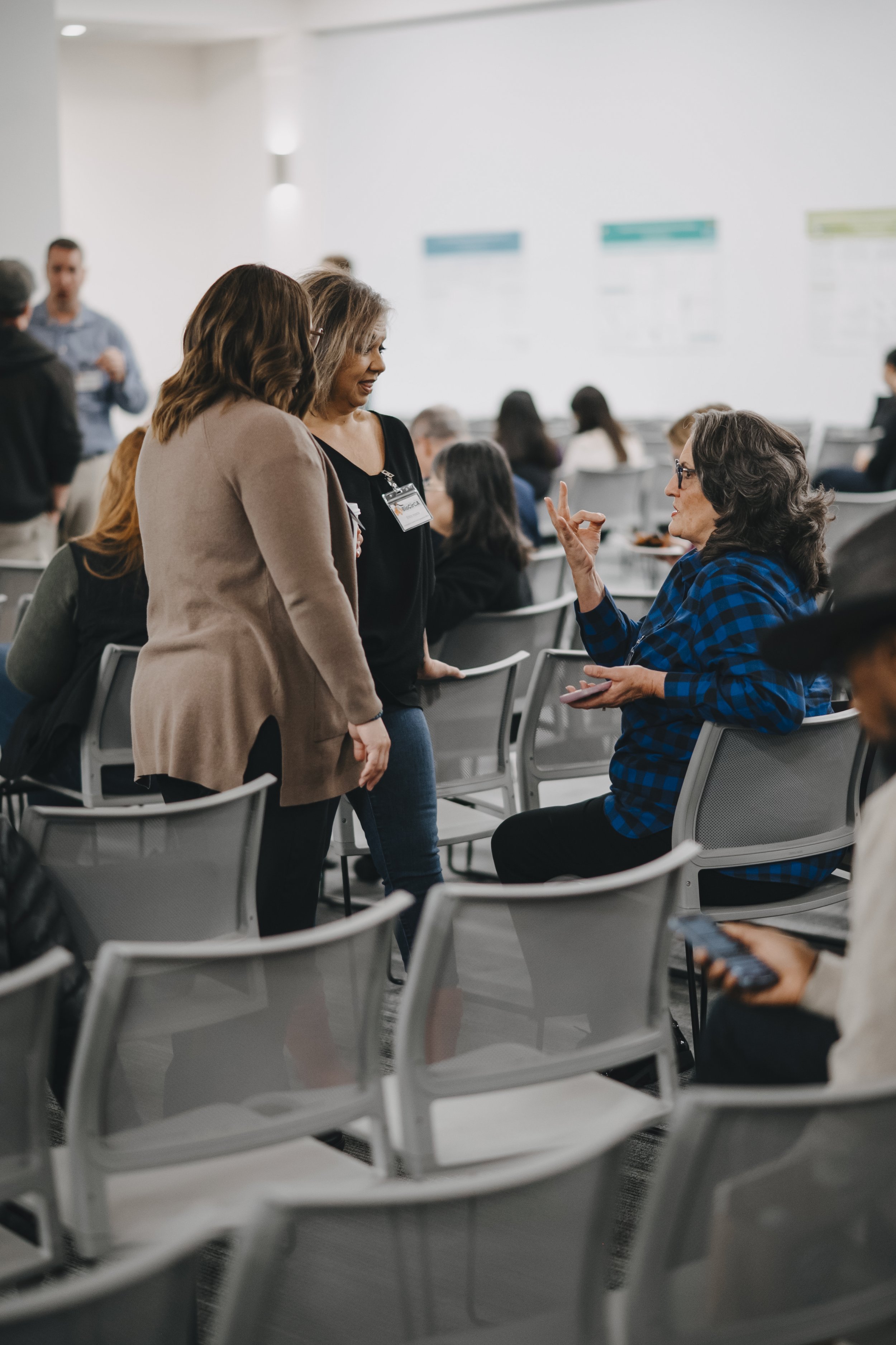
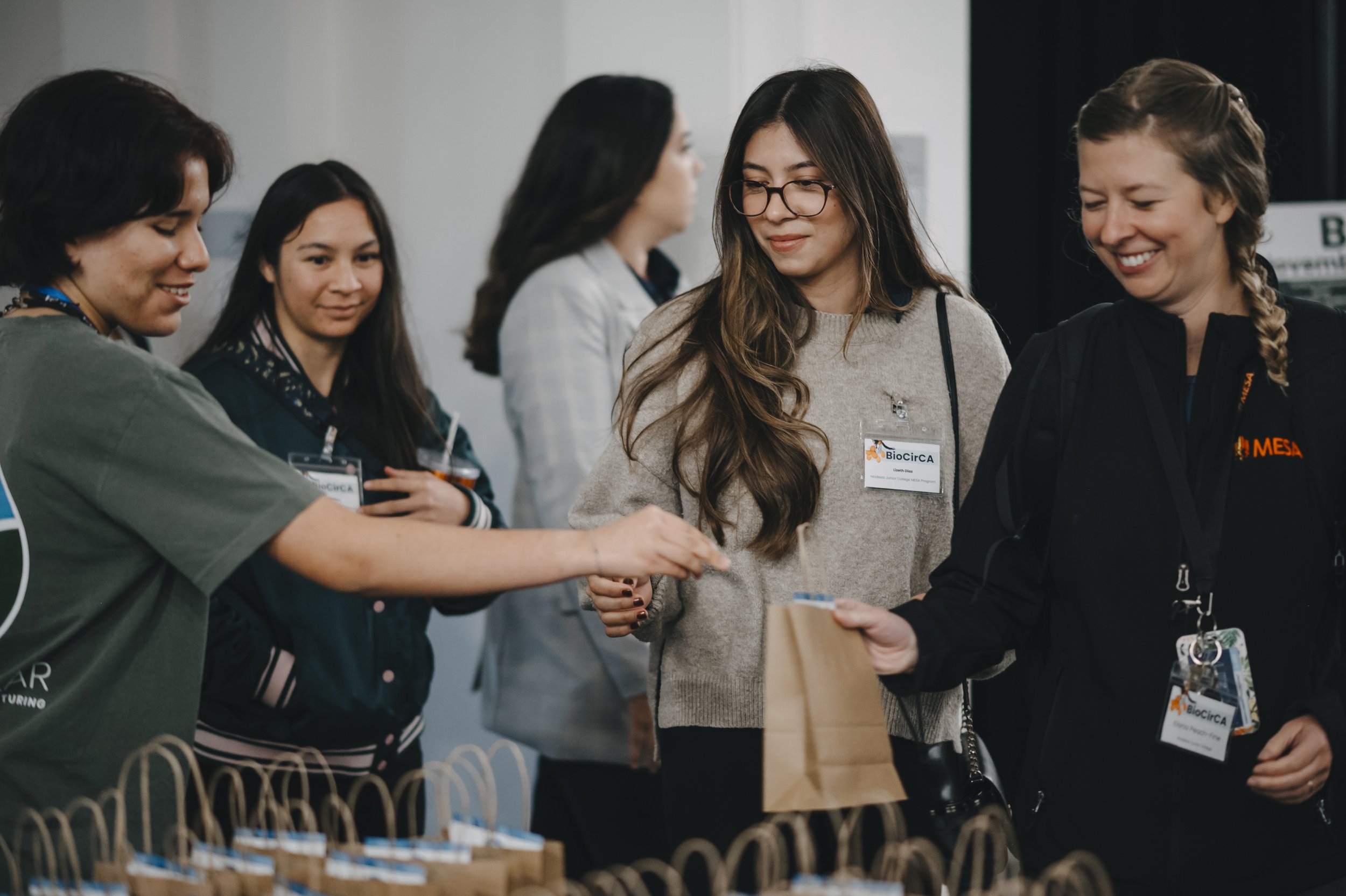
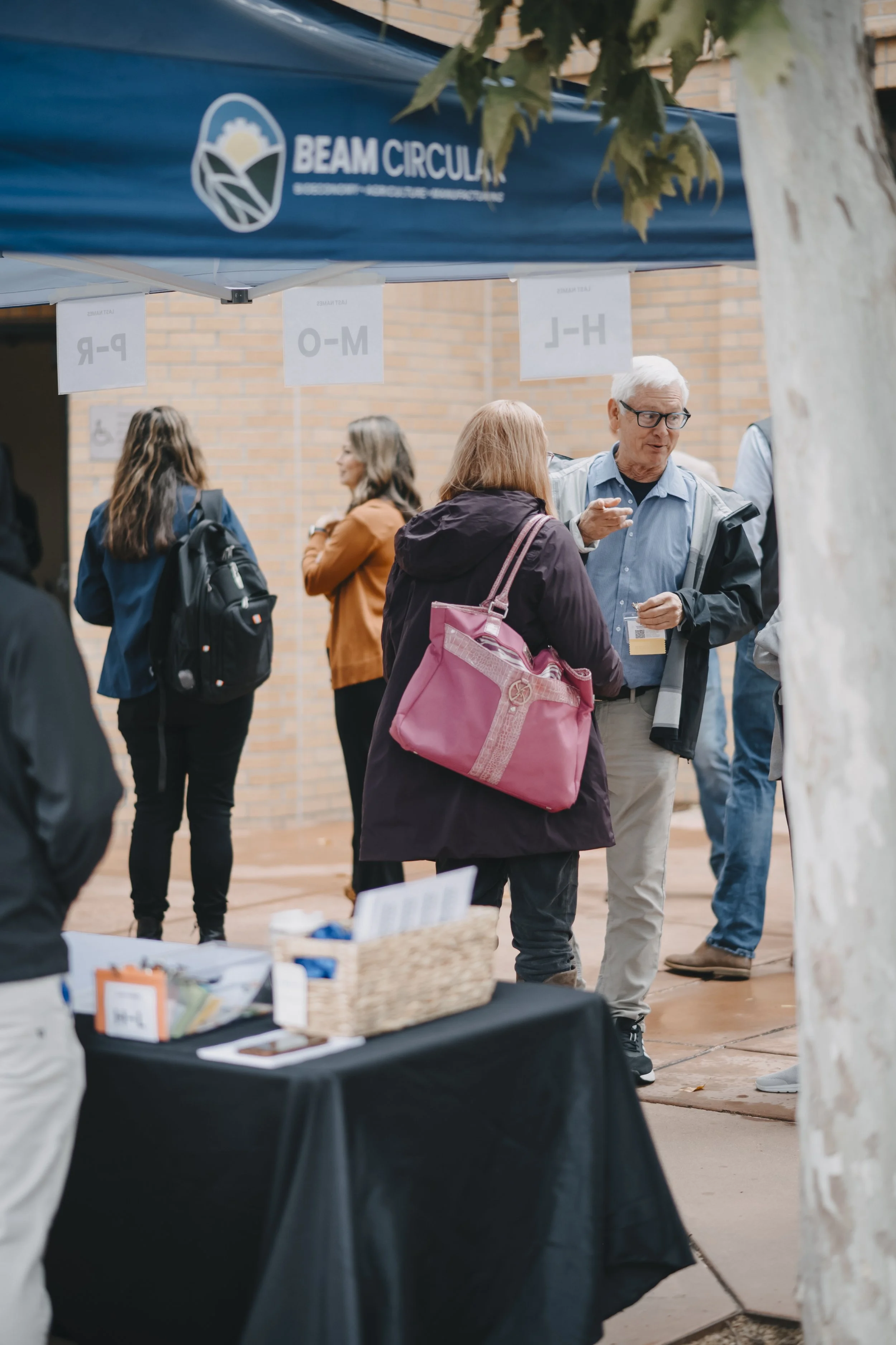
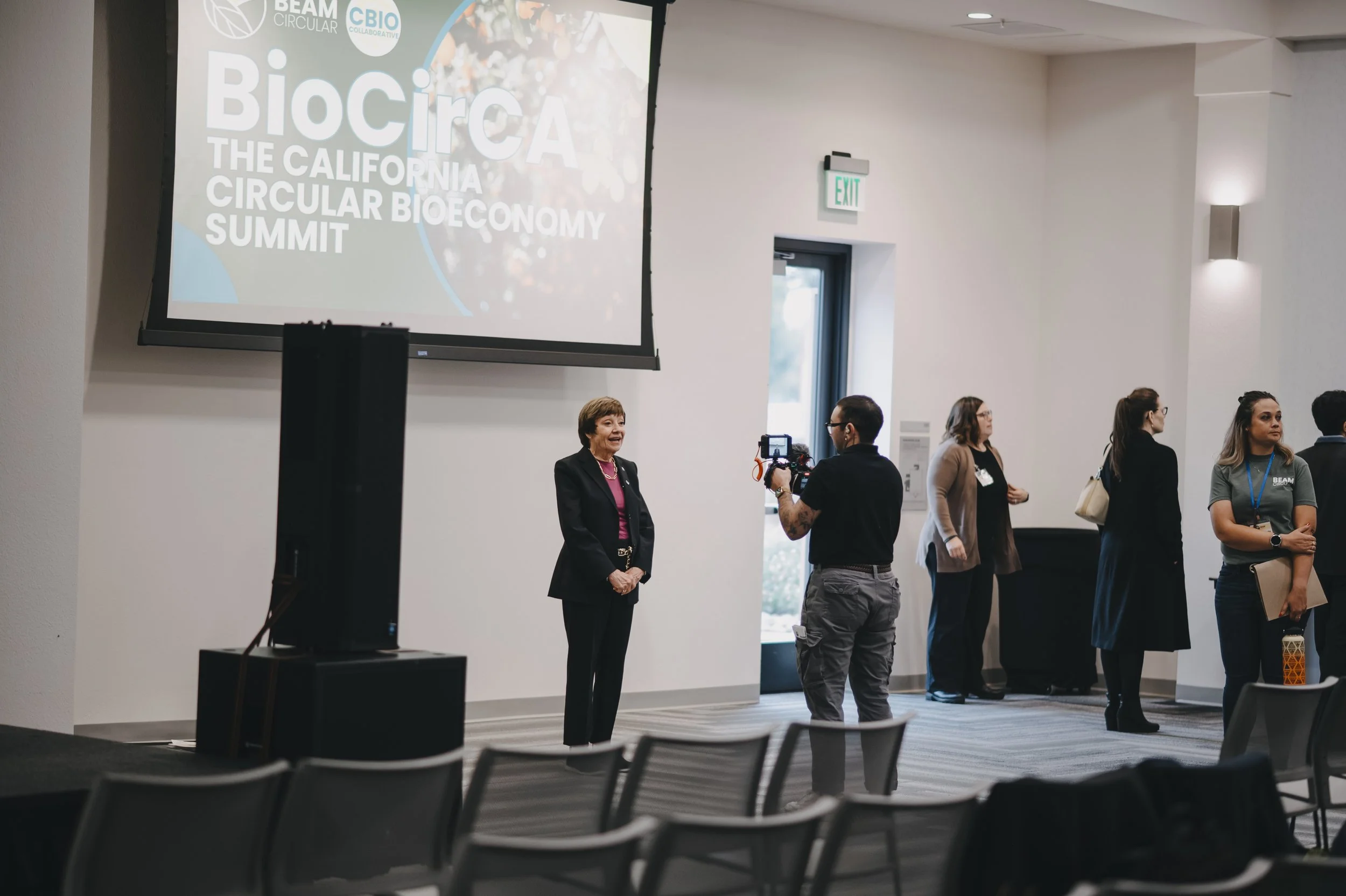
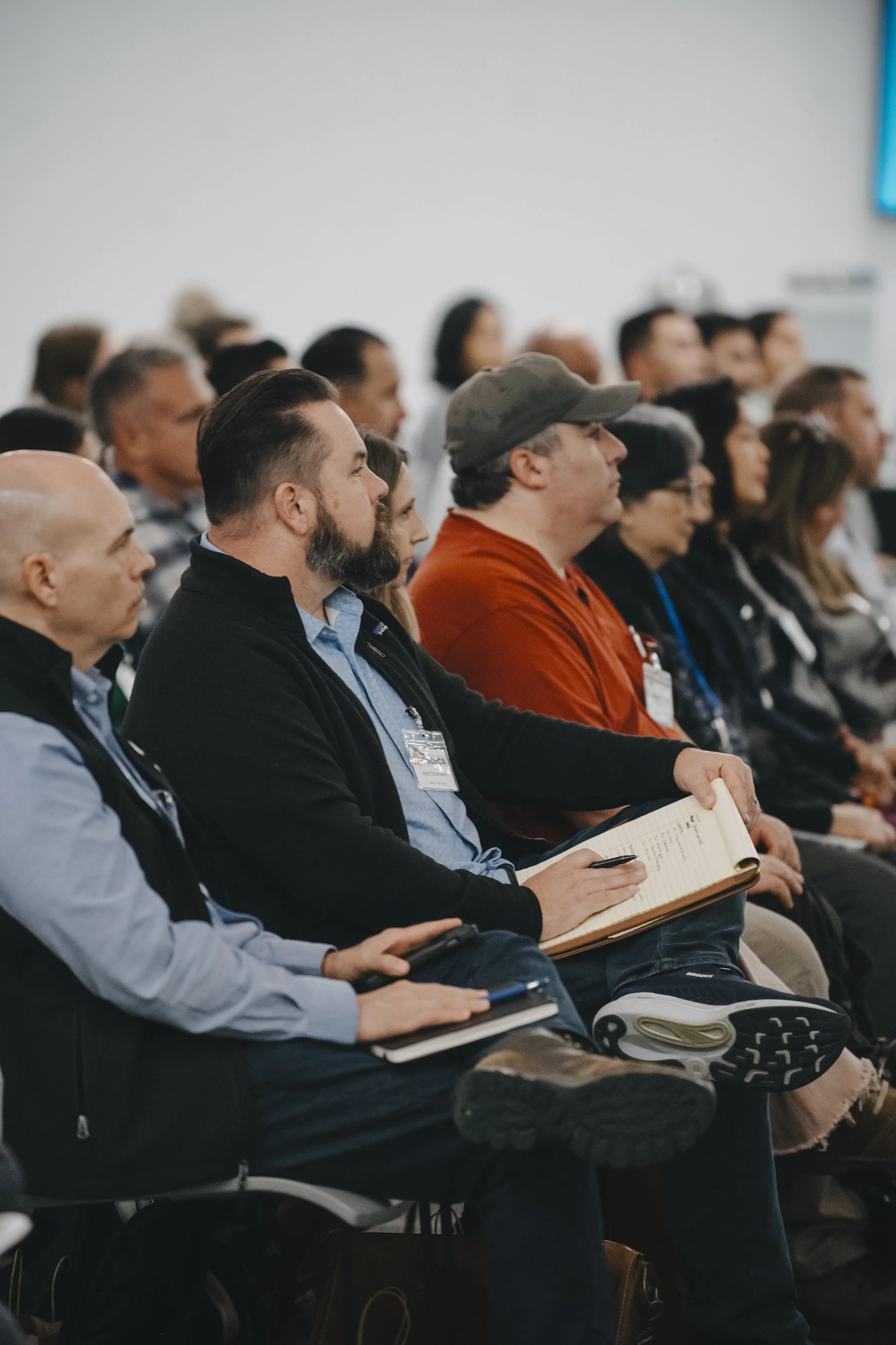
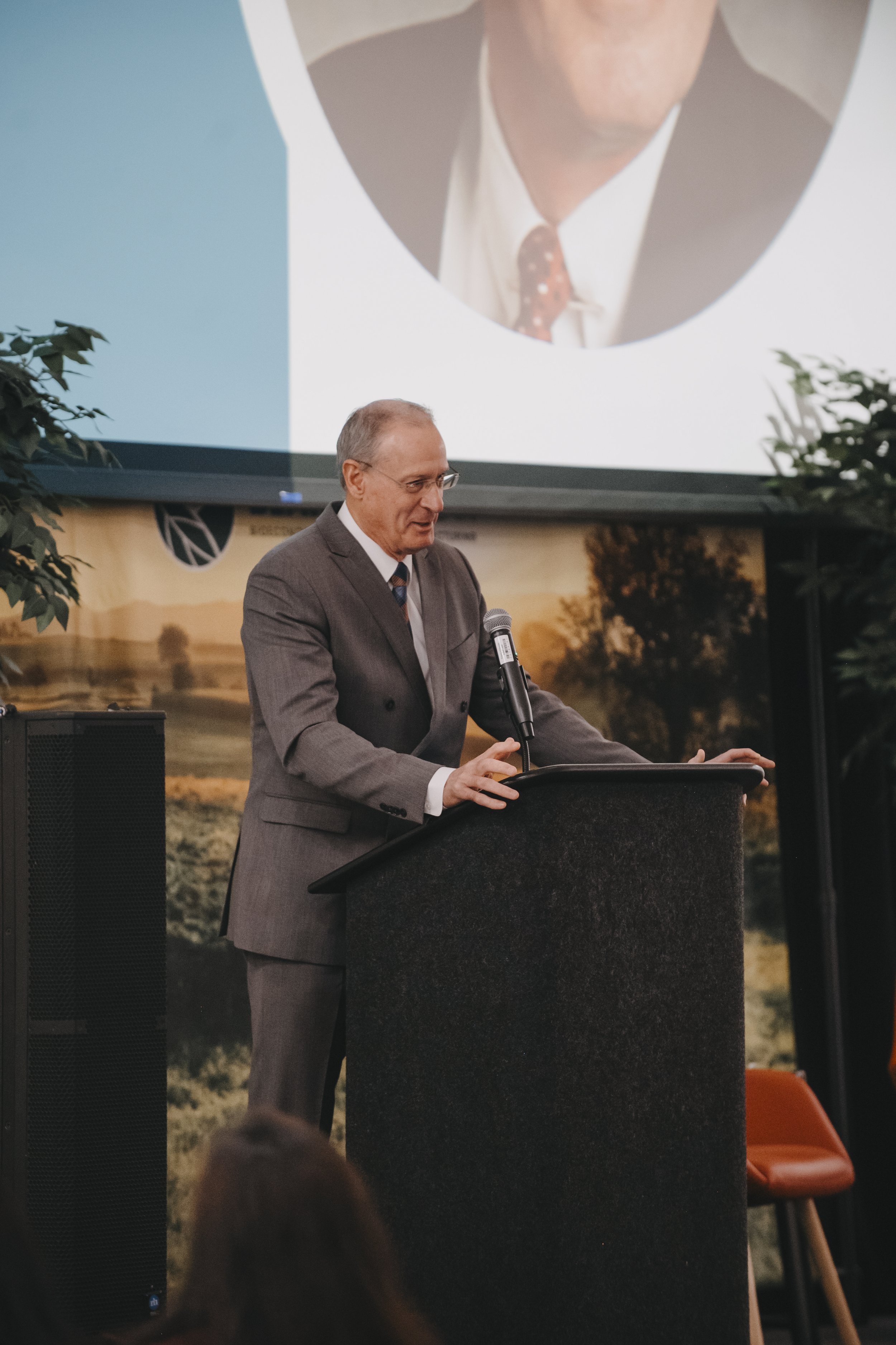
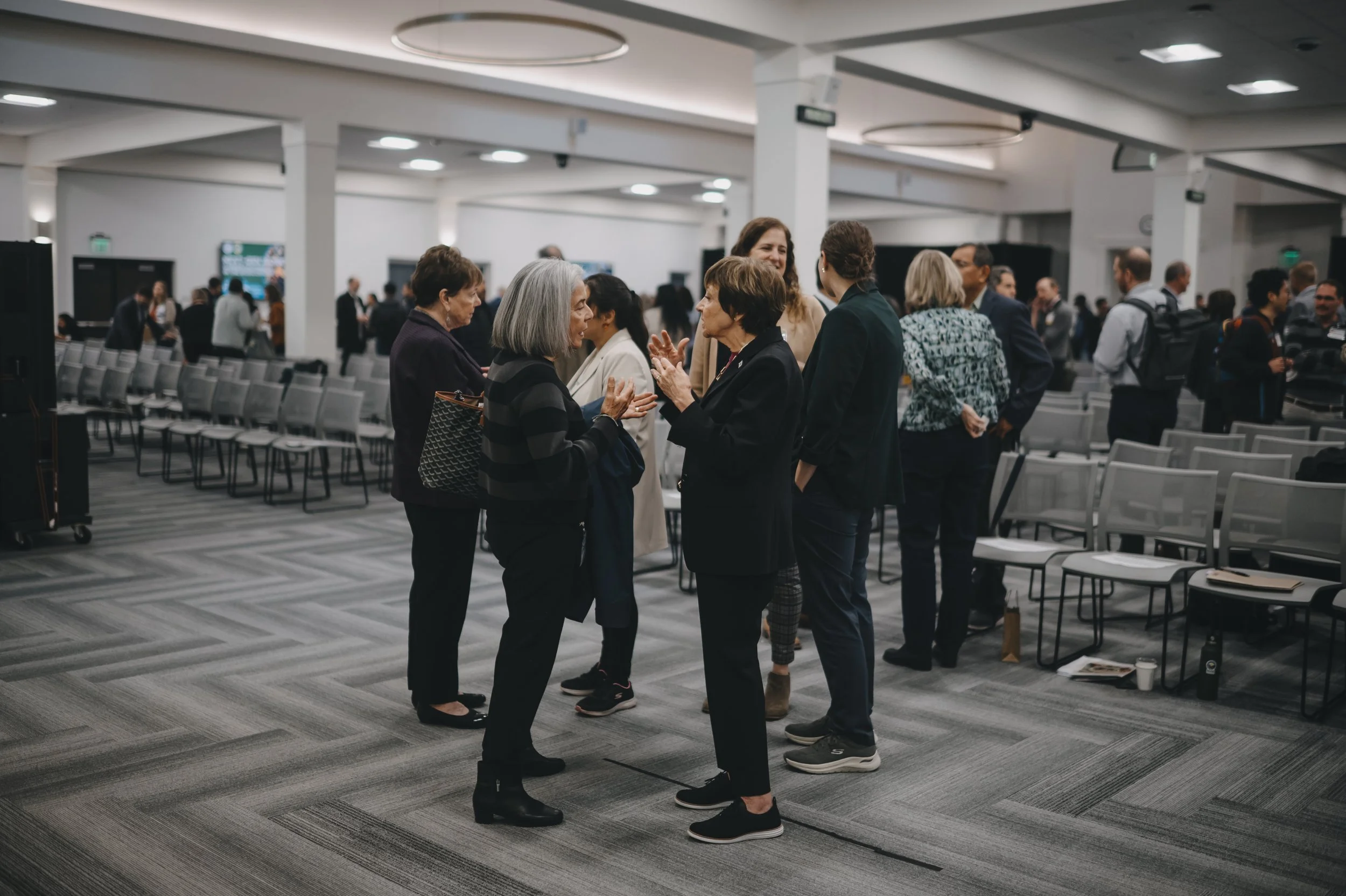
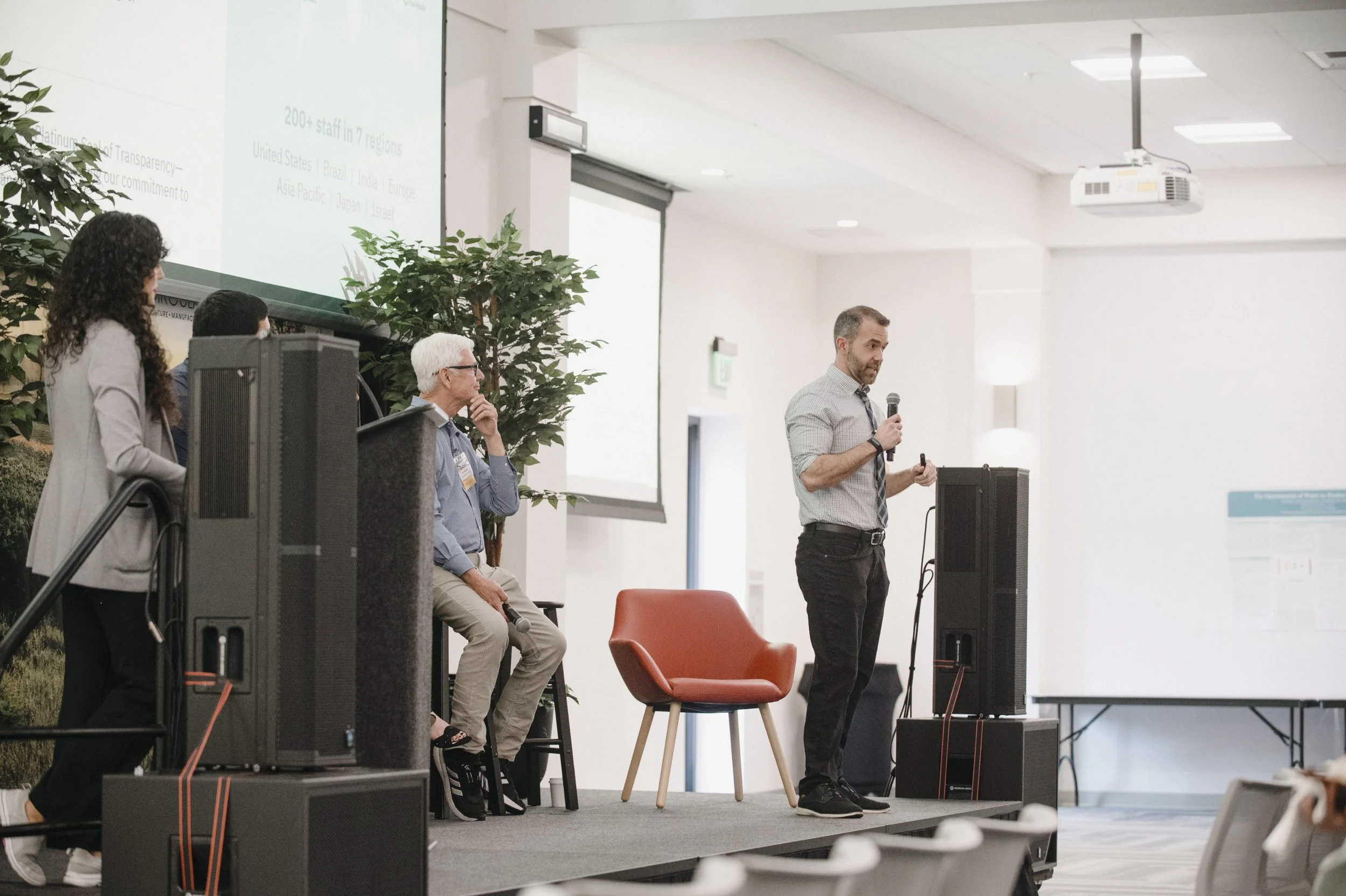
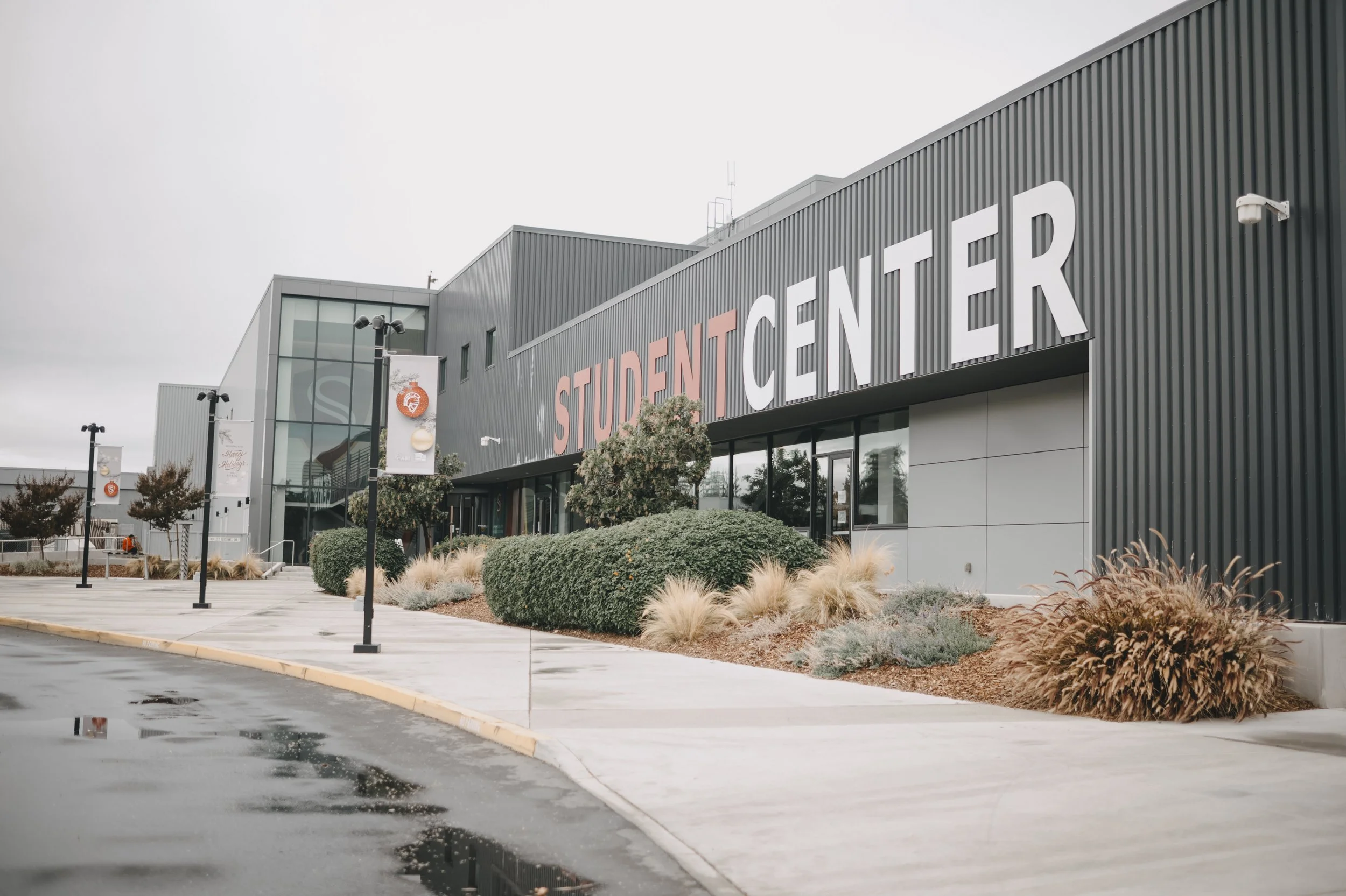
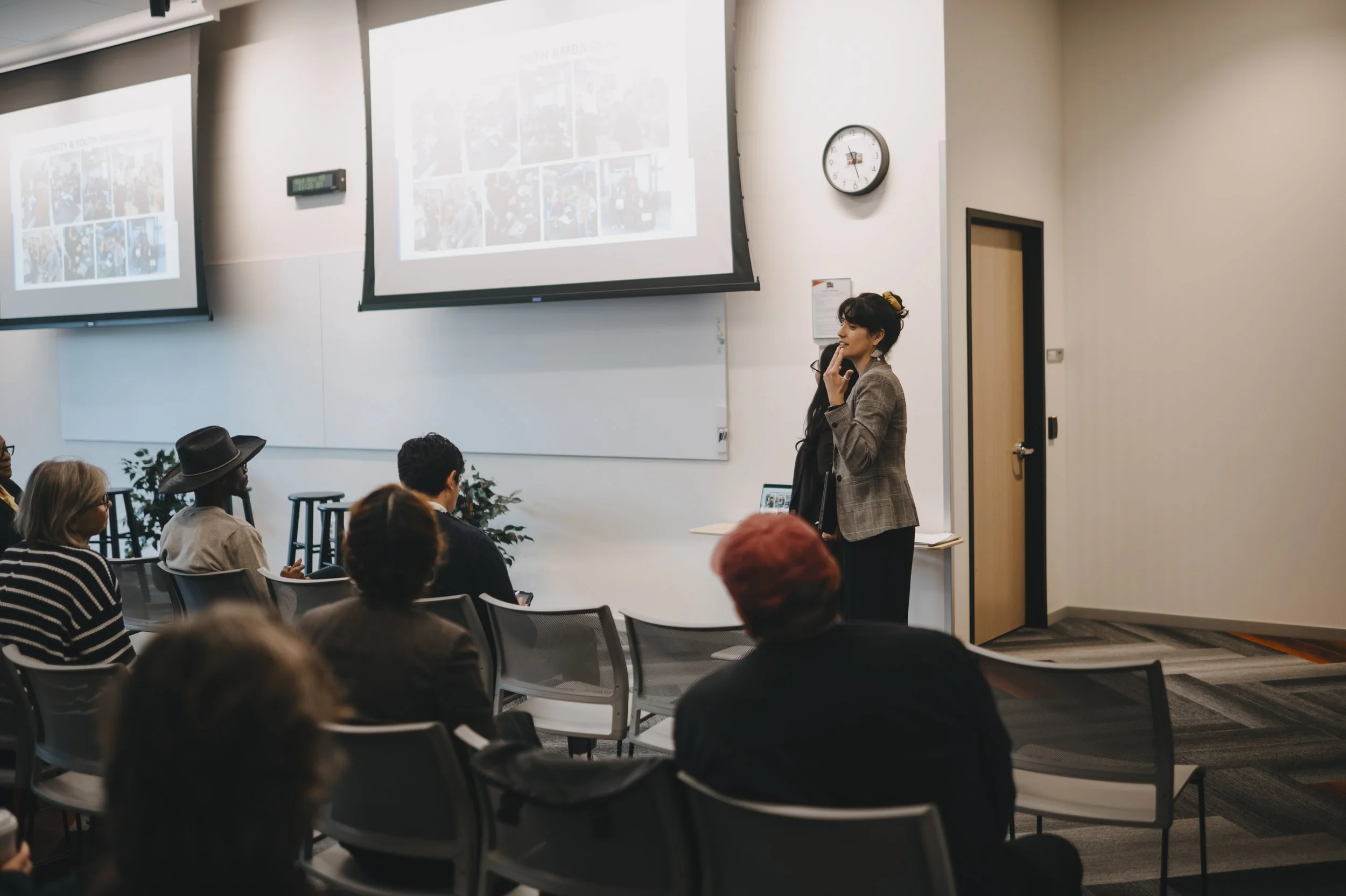
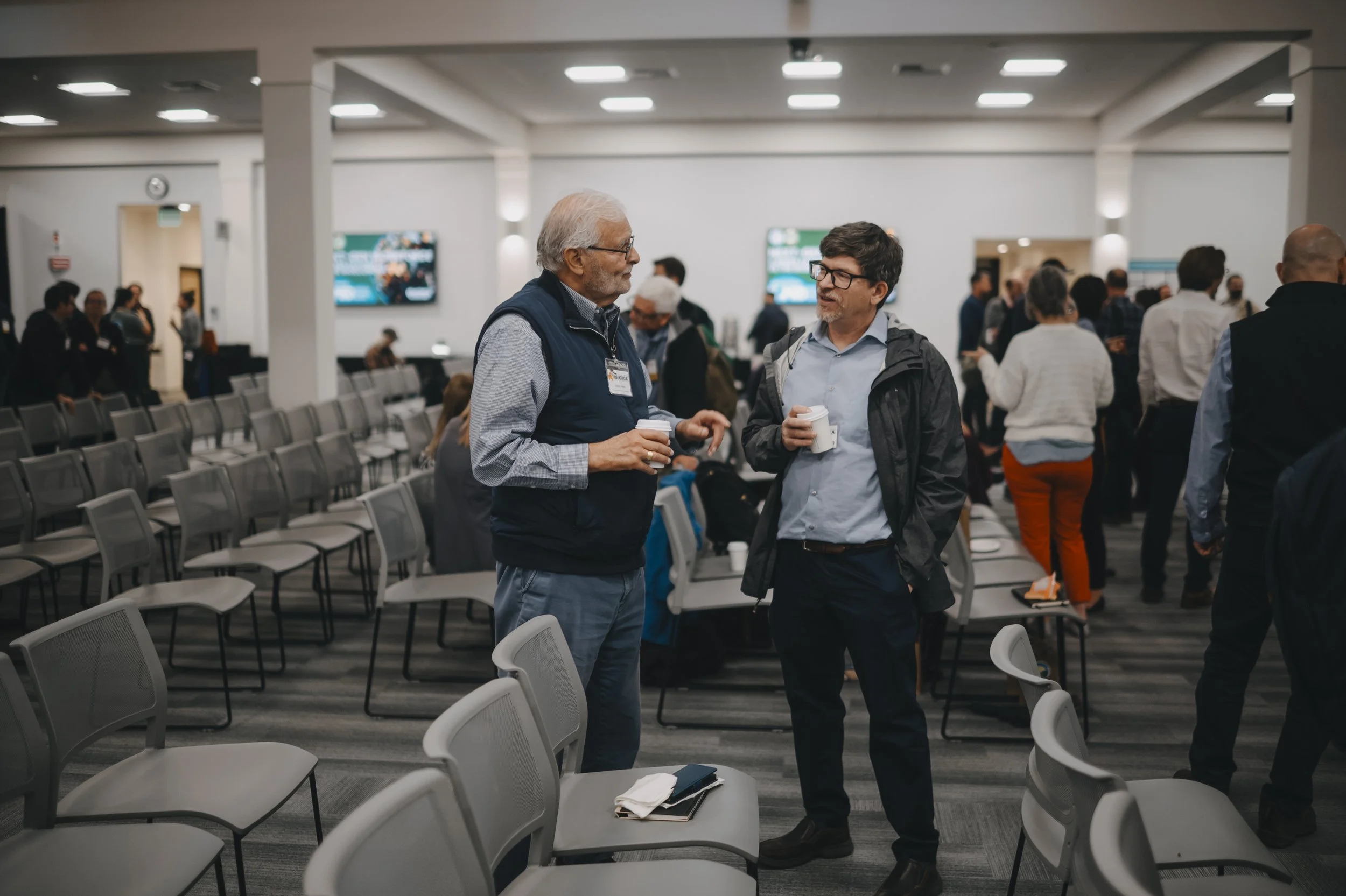
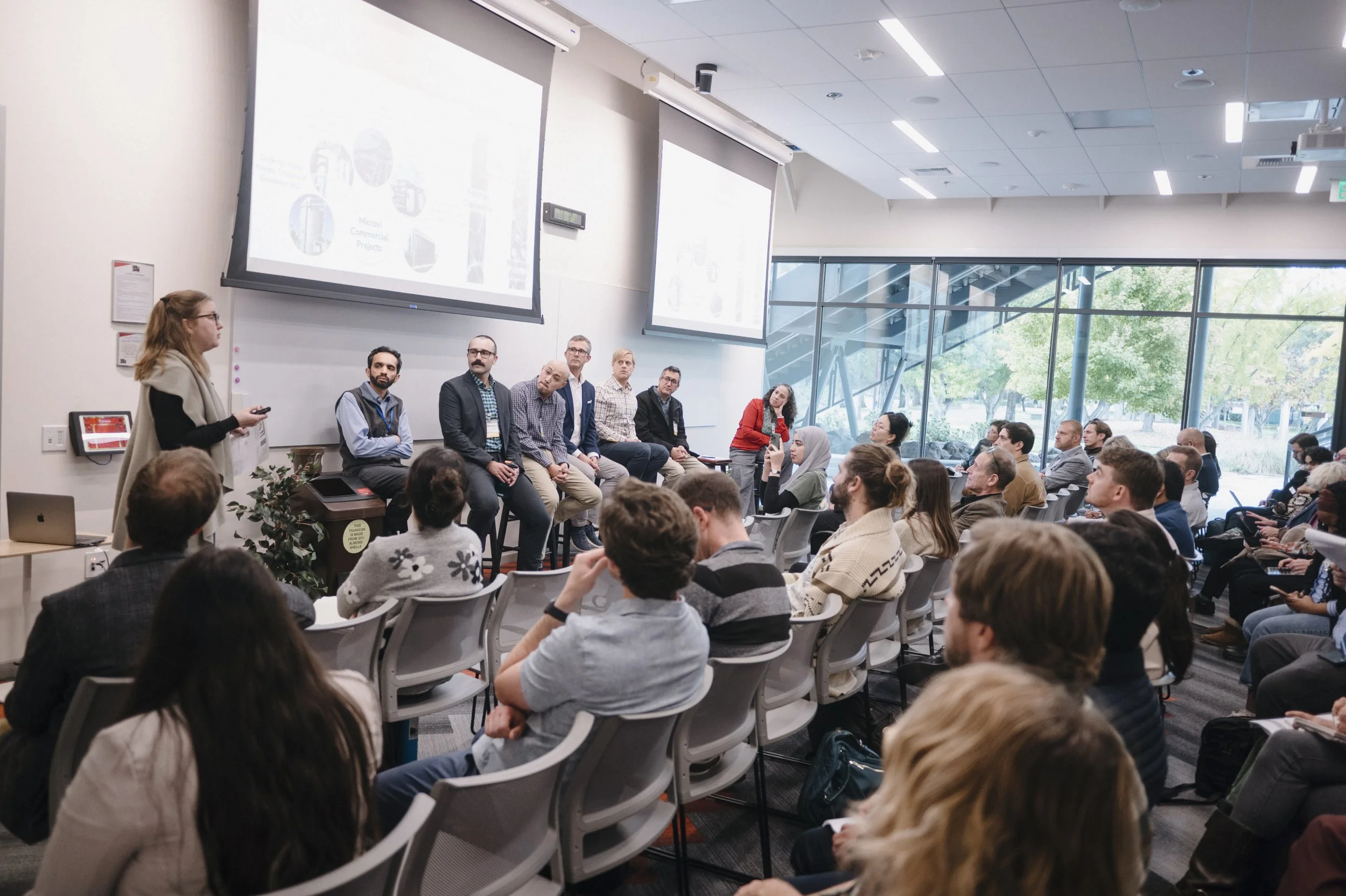
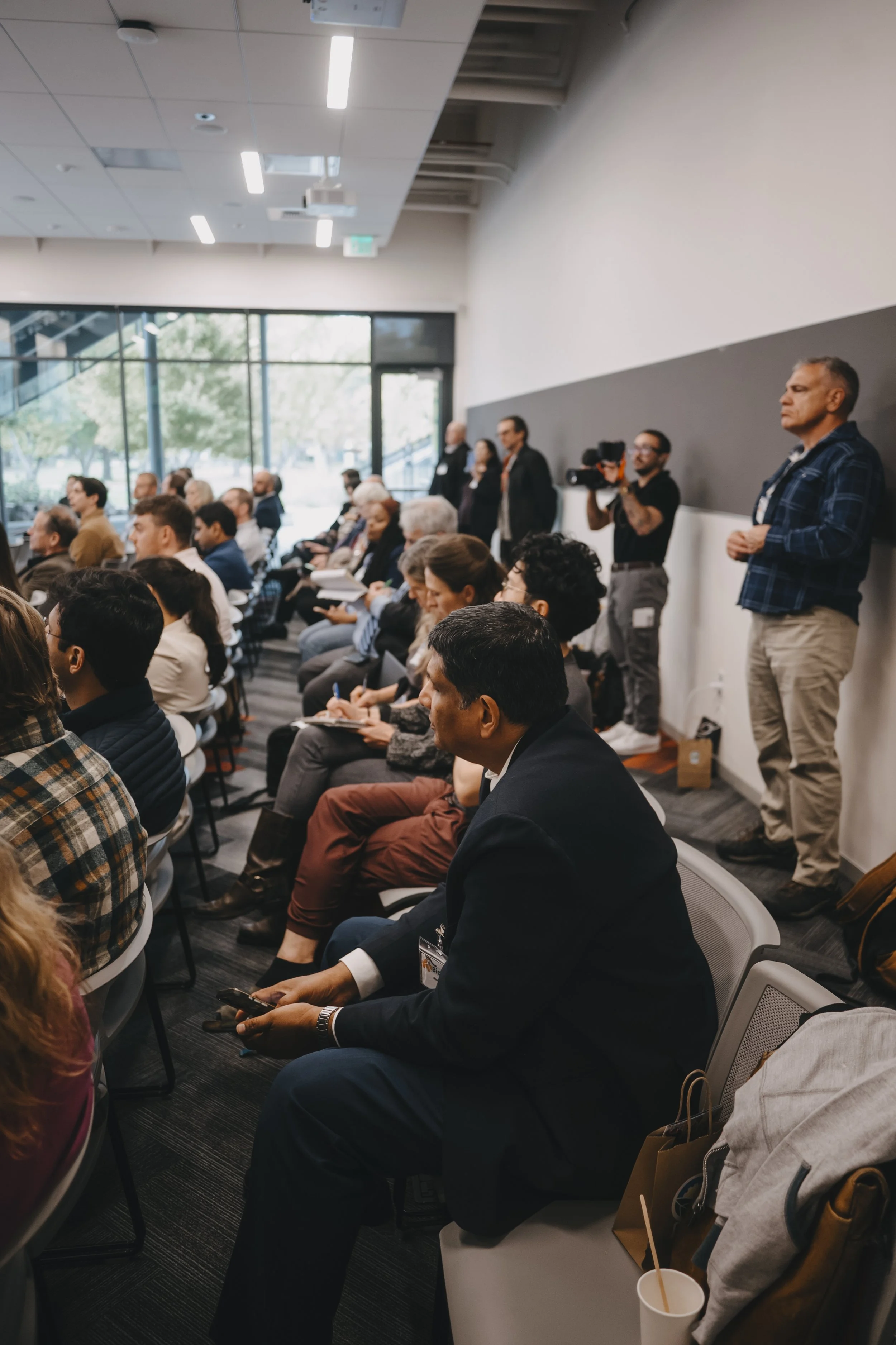
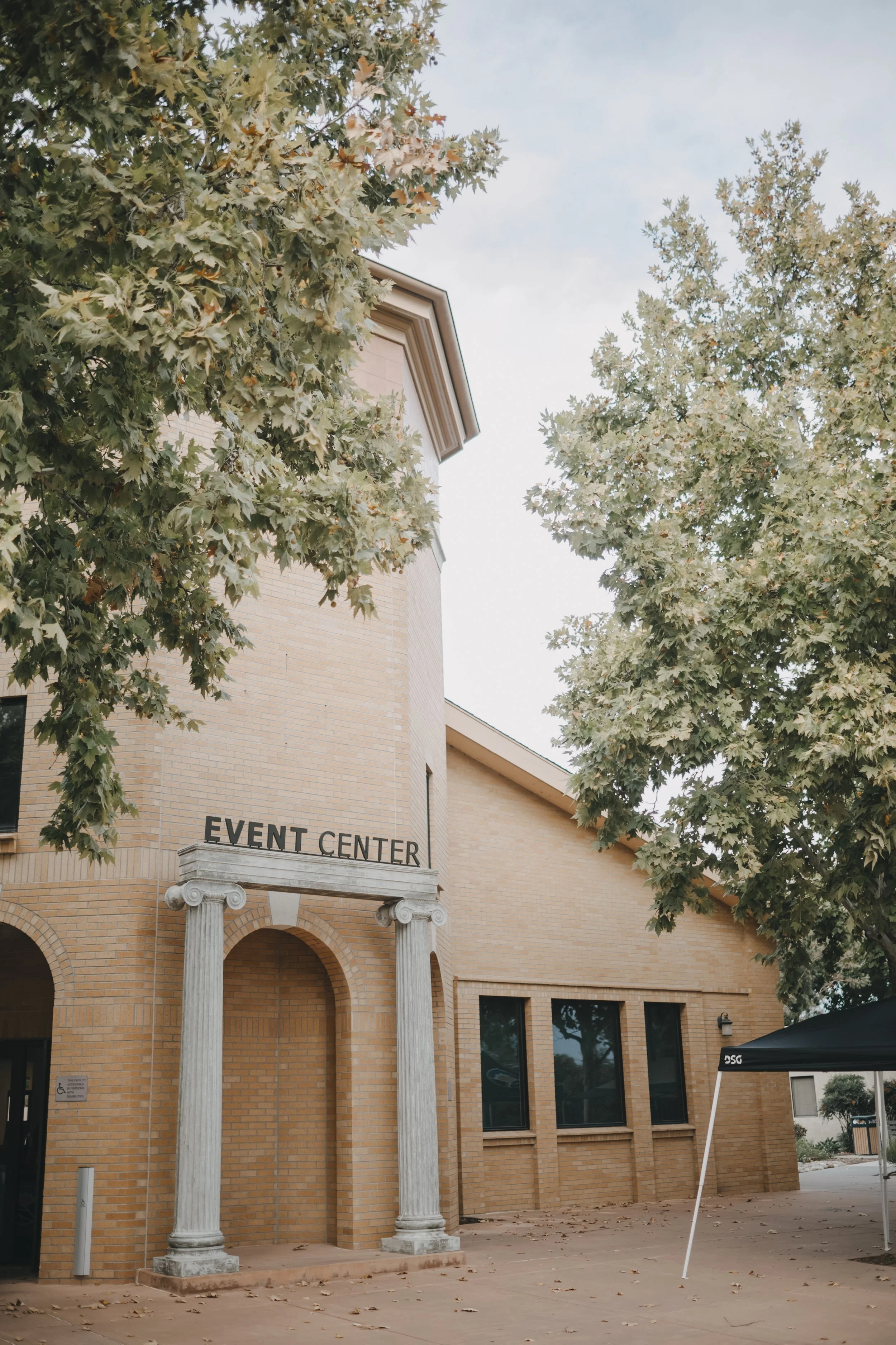
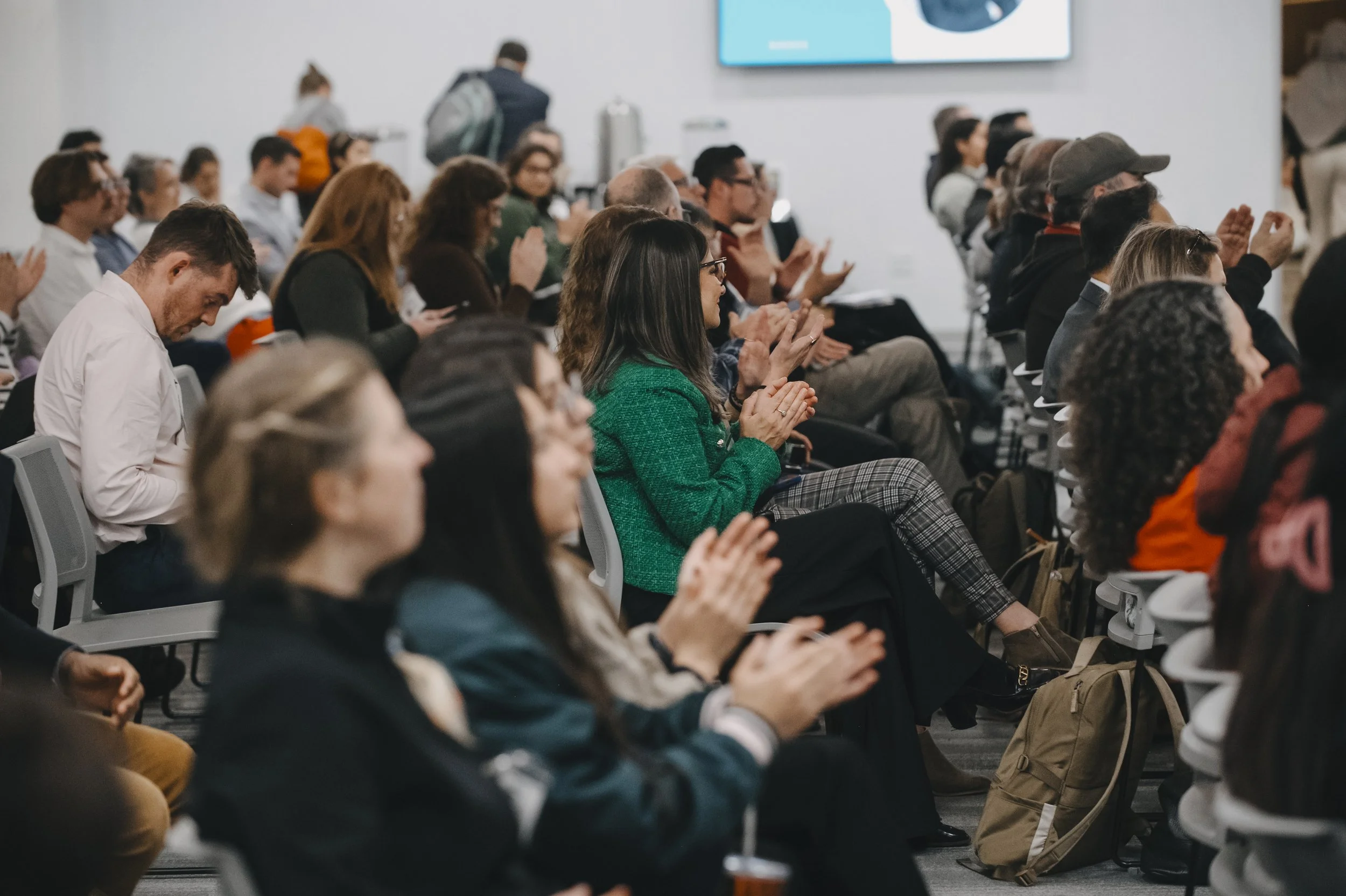
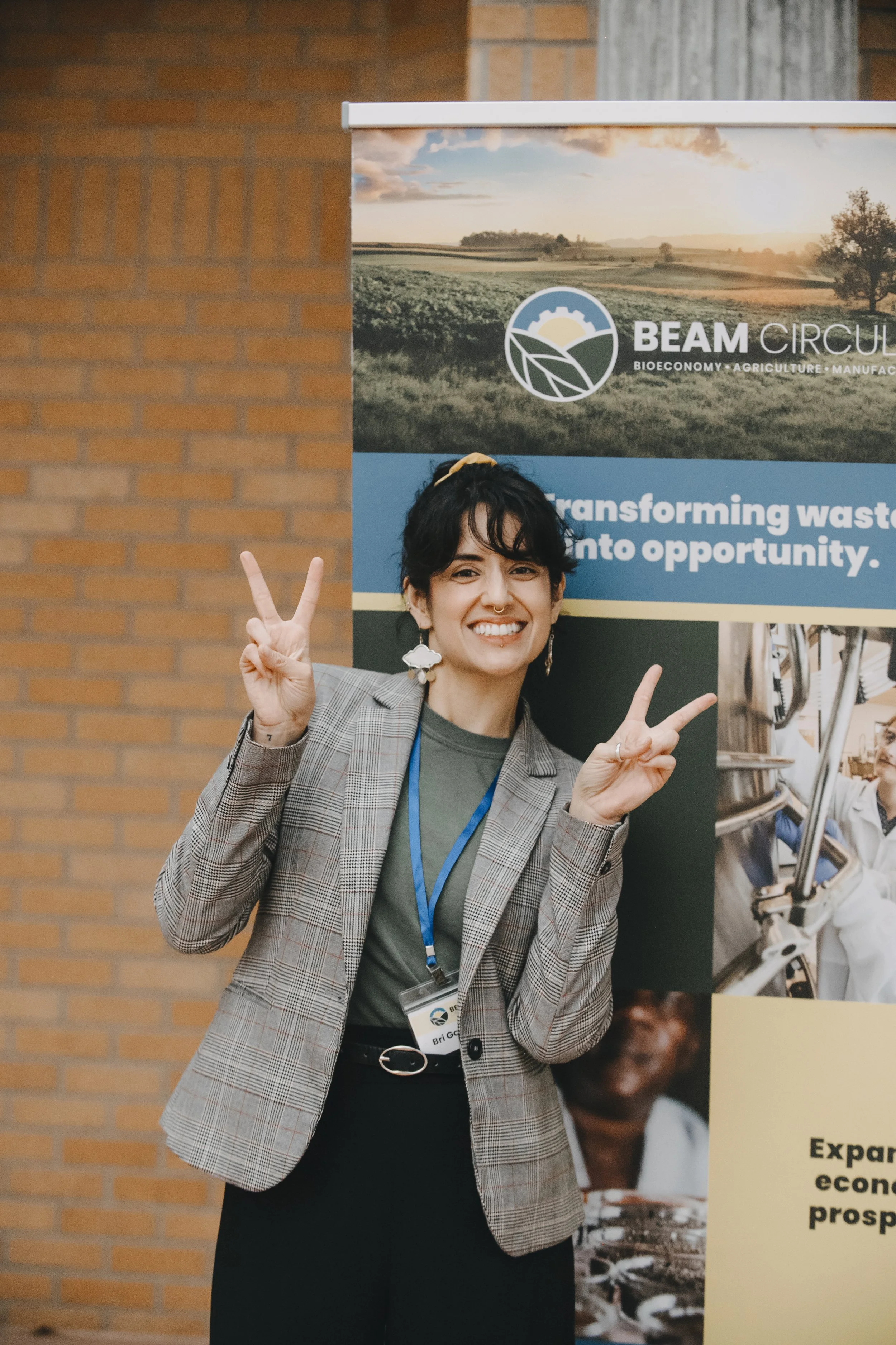
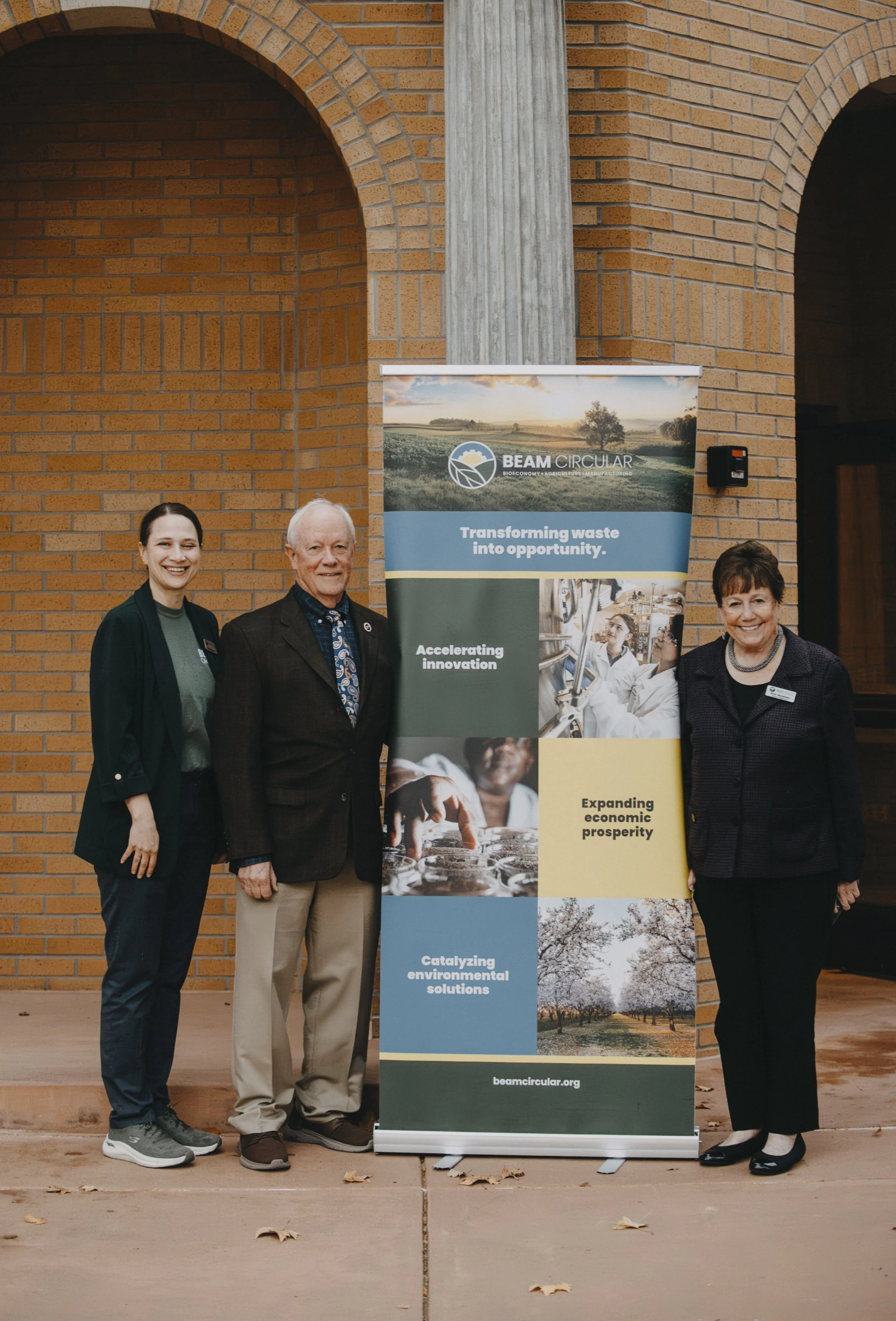
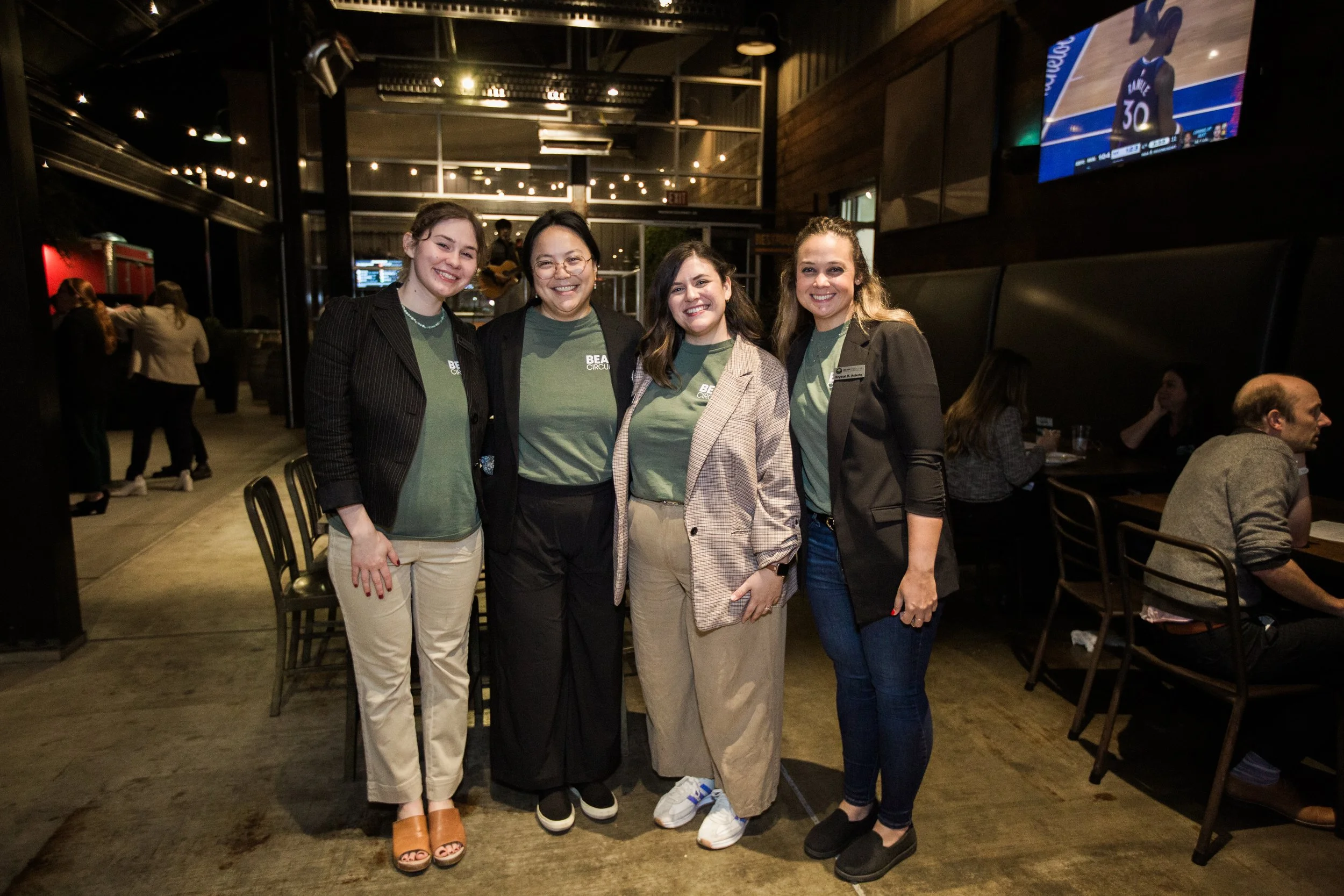
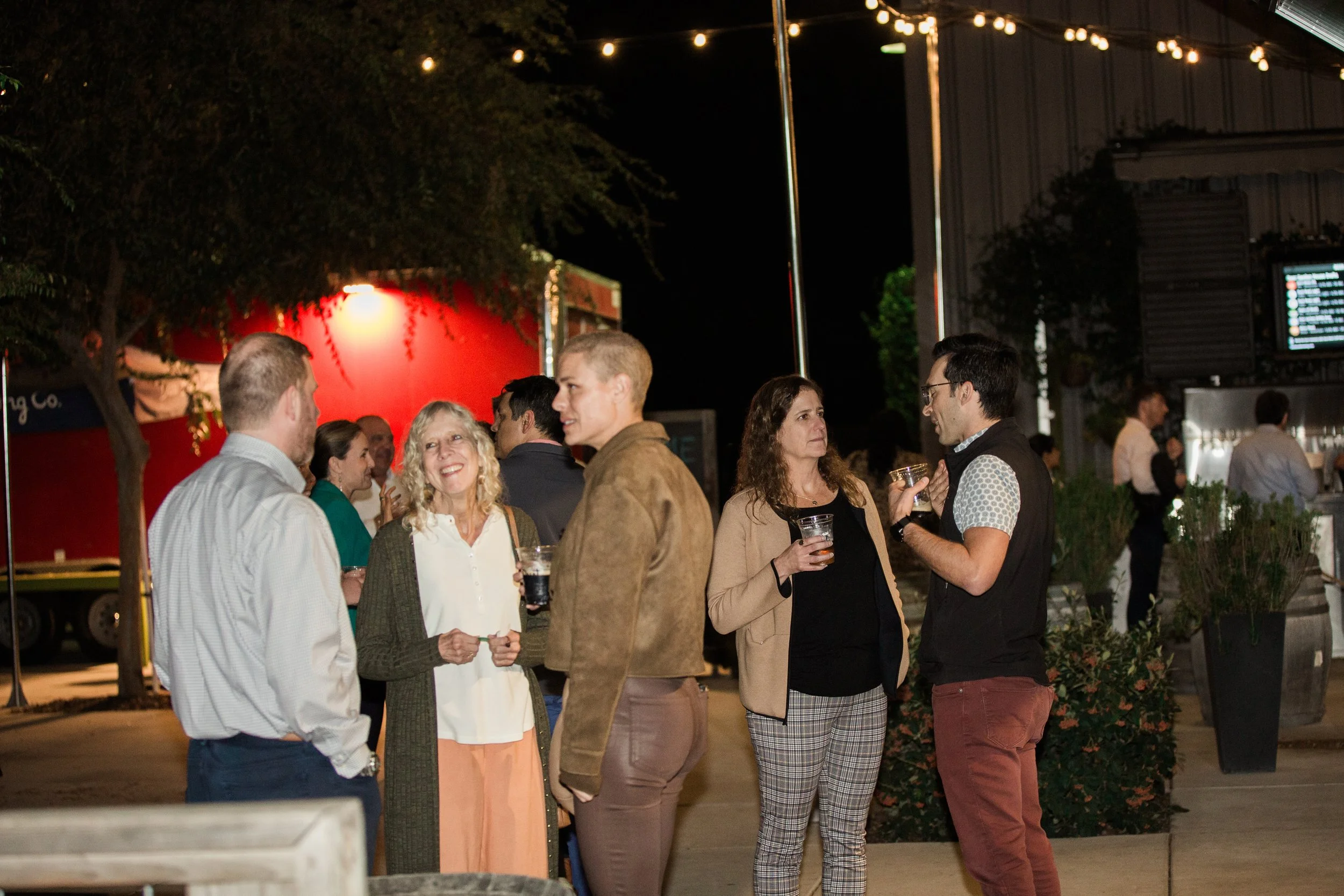
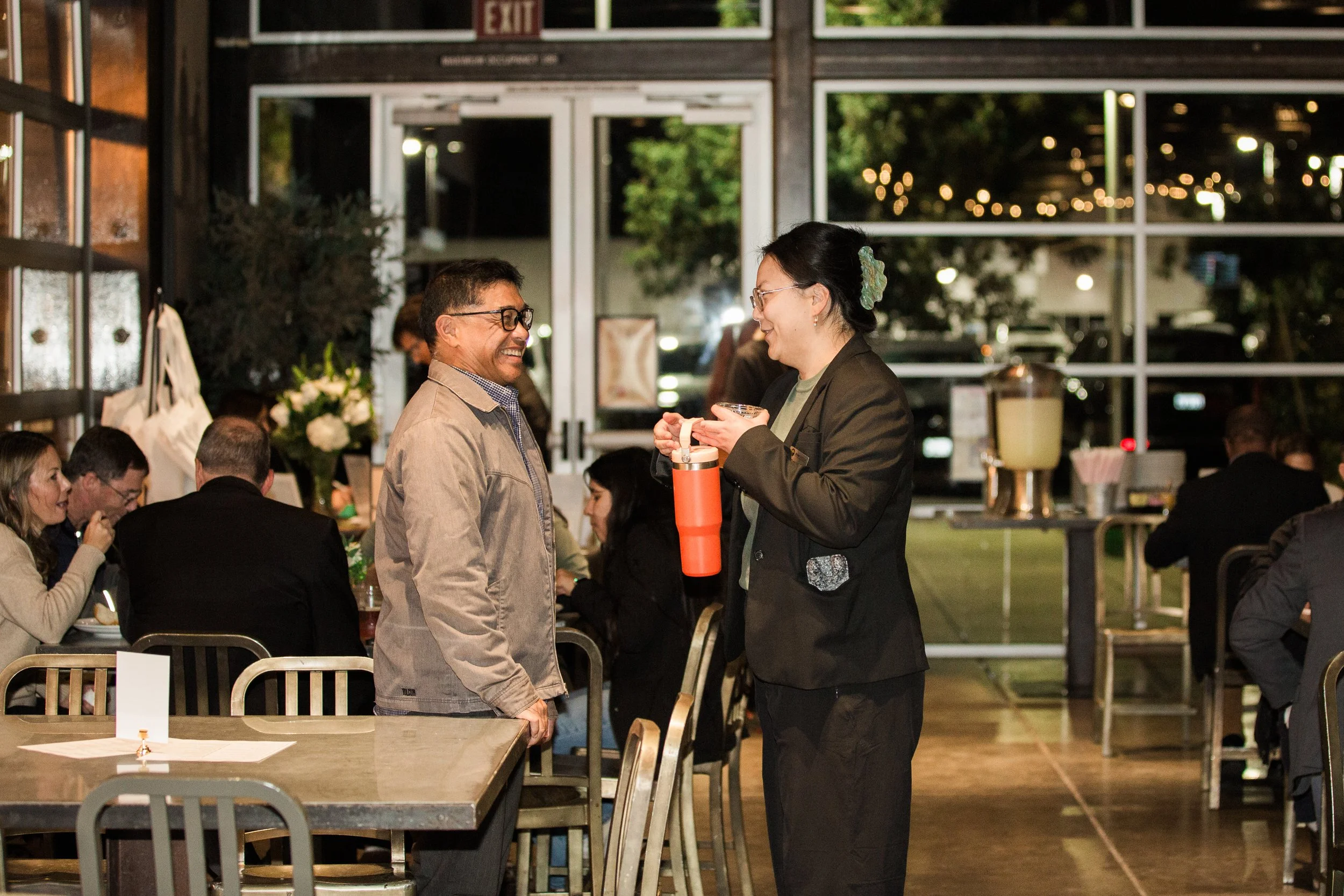
More than 400 industry leaders, policymakers, educators, and community members gathered at California State University, Stanislaus from November 5-6 for BioCirCA 2025, the California Circular Bioeconomy Summit, hosted by BEAM Circular. The two-day event brought together thought leaders and innovators dedicated to advancing California’s transition to a circular bioeconomy which transforms waste into opportunity, drives sustainable manufacturing, and creates good jobs across the state.
Check out the video above for BioCirCA 2025 highlights!
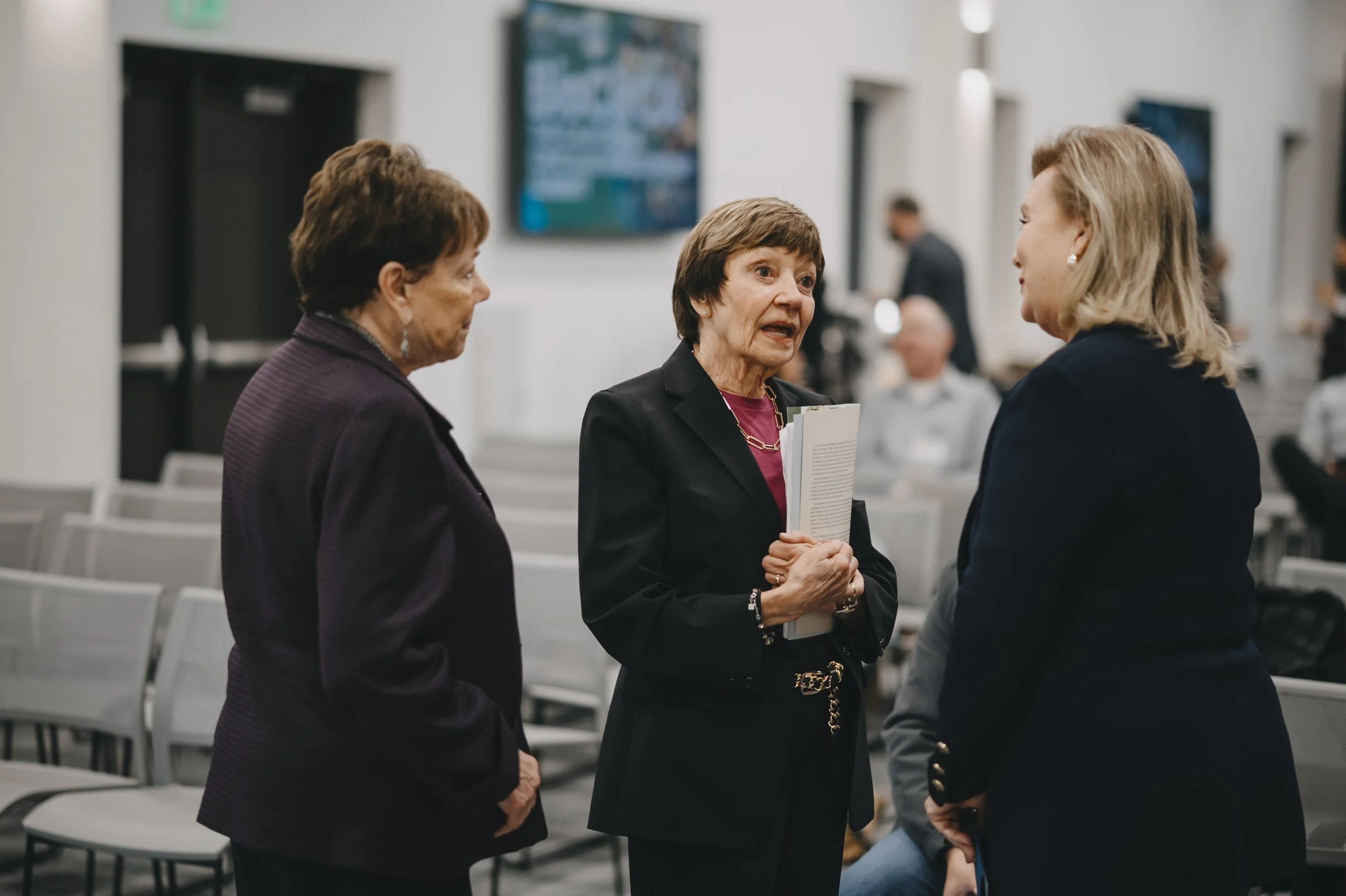
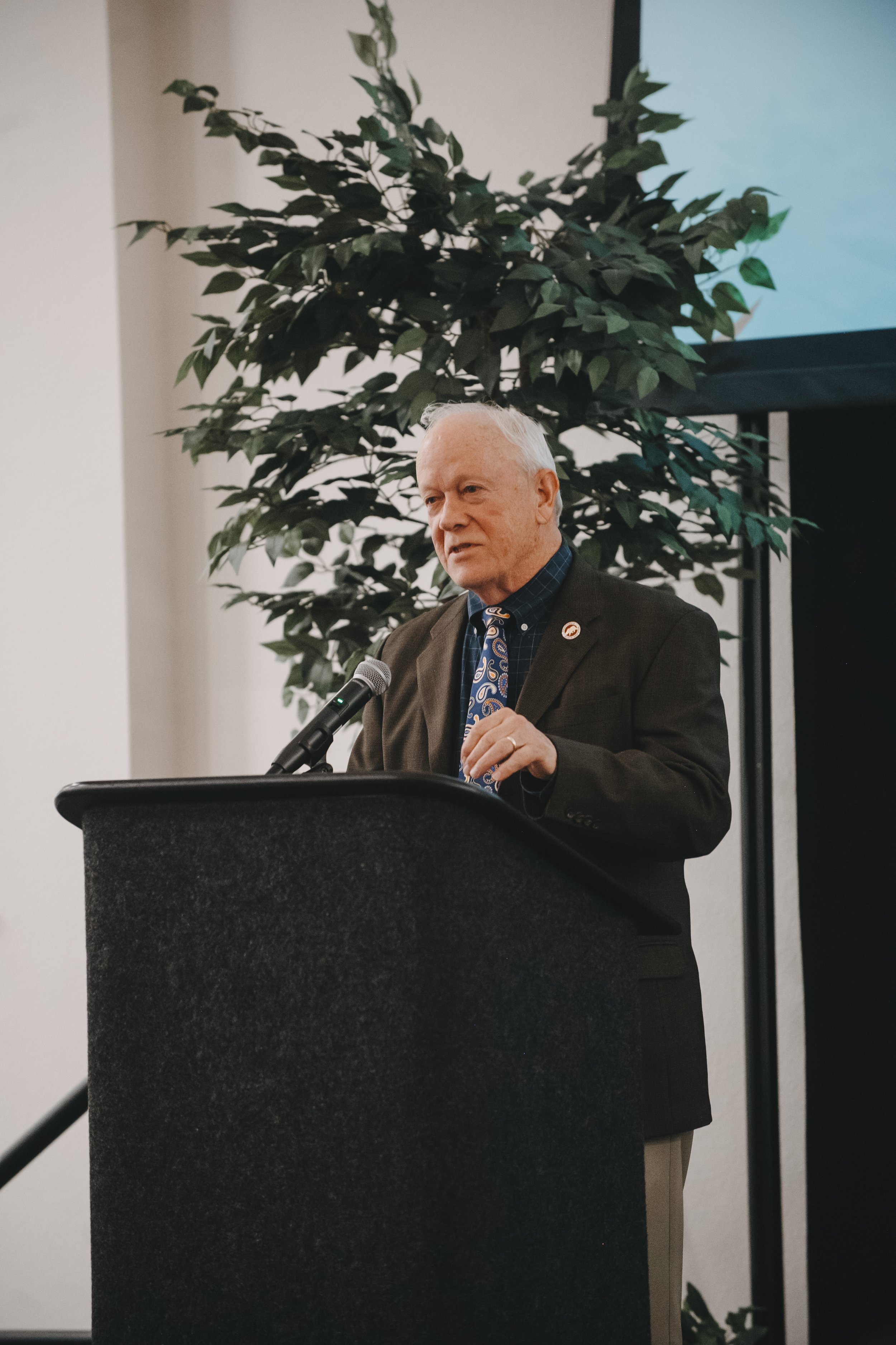
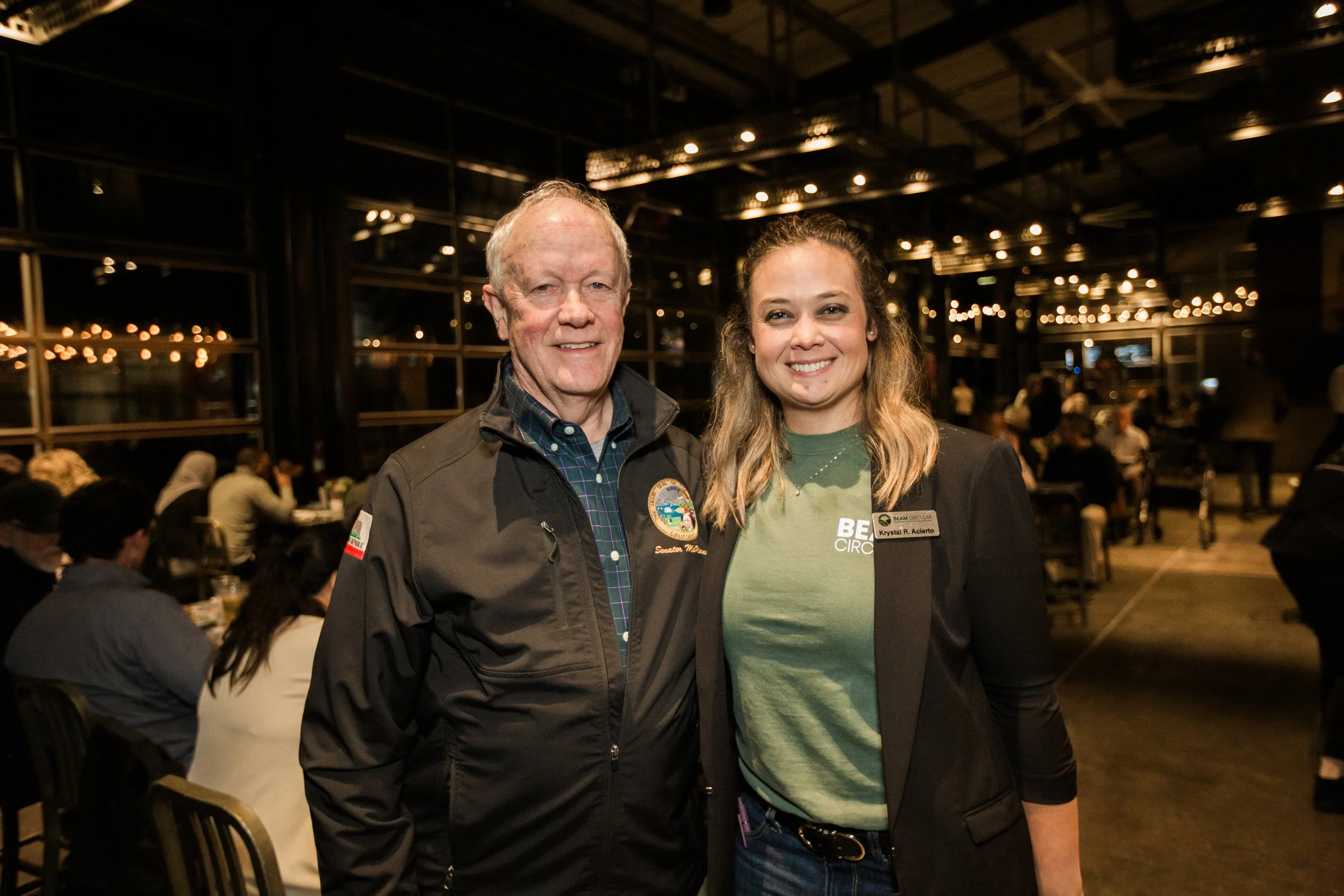
Day one of BioCirCA was open to the public and featured keynote remarks from Secretary Karen Ross of the California Department of Food and Agriculture and concluded with remarks from California State Senator Jerry McNerney. Attendees explored themes including regenerative agriculture, green ammonia, feedstock access, food innovation, and the growing workforce opportunities in bio-based industries.
“The energy at BioCirCA was fantastic,” said Karen Warner, Founder and Chief Executive Officer of BEAM Circular. “To have so many industry leaders, researchers, policymakers, and community partners in one place who are all committed to advancing a circular bioeconomy, was incredibly inspiring. This kind of collaboration is exactly what it will take to build a stronger, more sustainable future for our state.”
The morning began with the Stanislaus State Latin Jazz Band, which set the stage for an excellent day and introduced the event’s weaving of science and technology with art and local community voices. Spanish translation services were made available throughout the day.



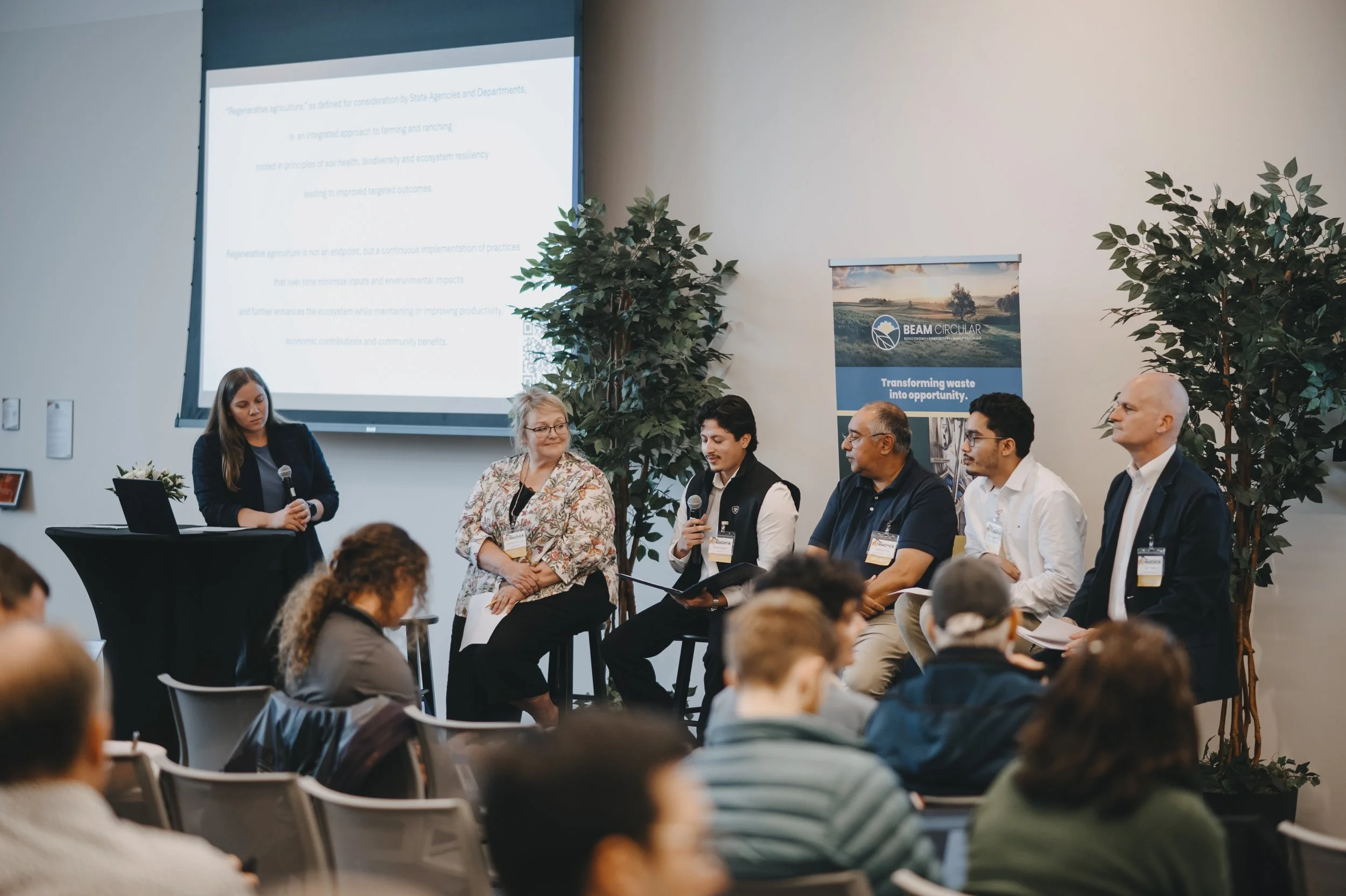
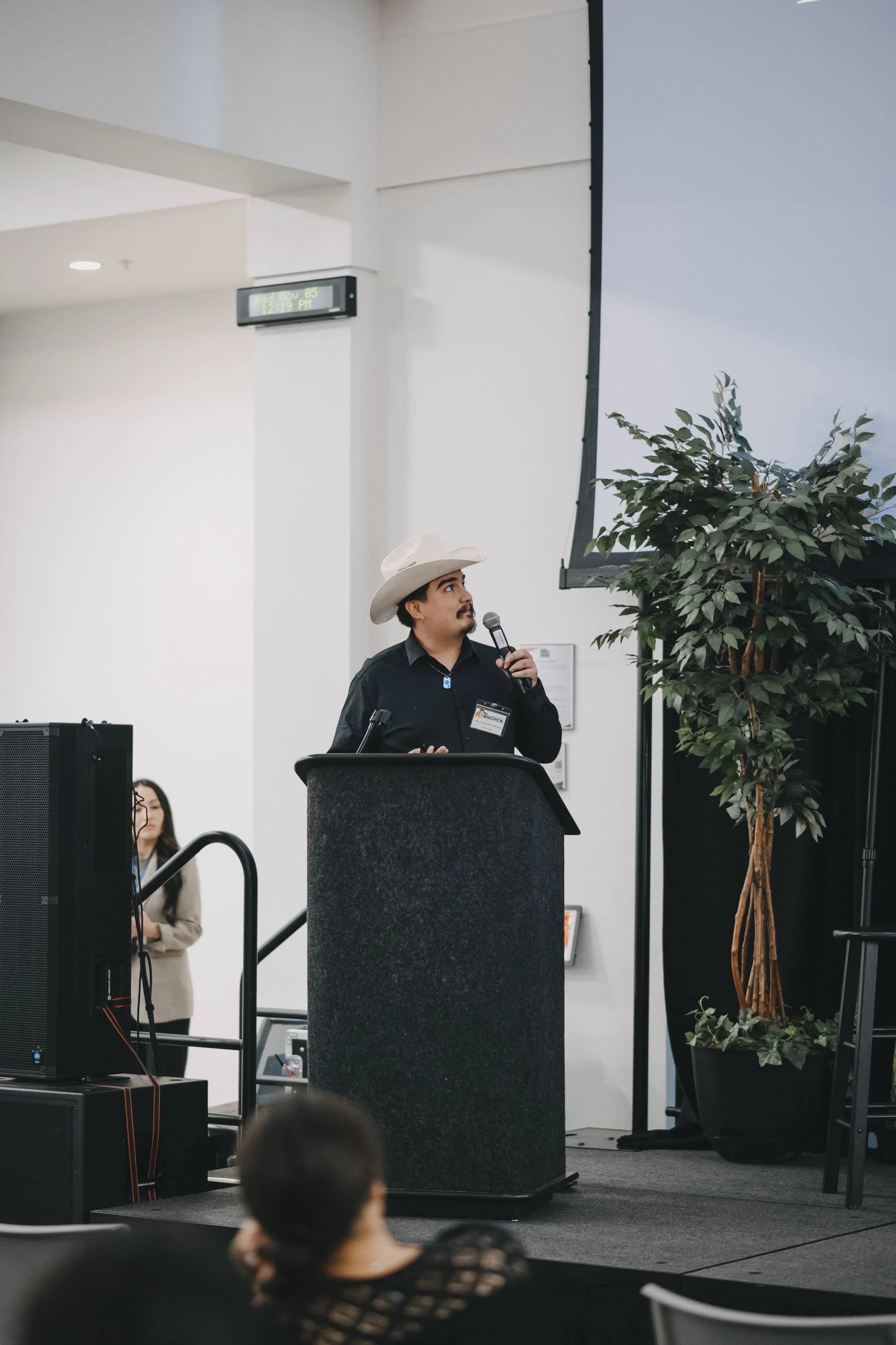
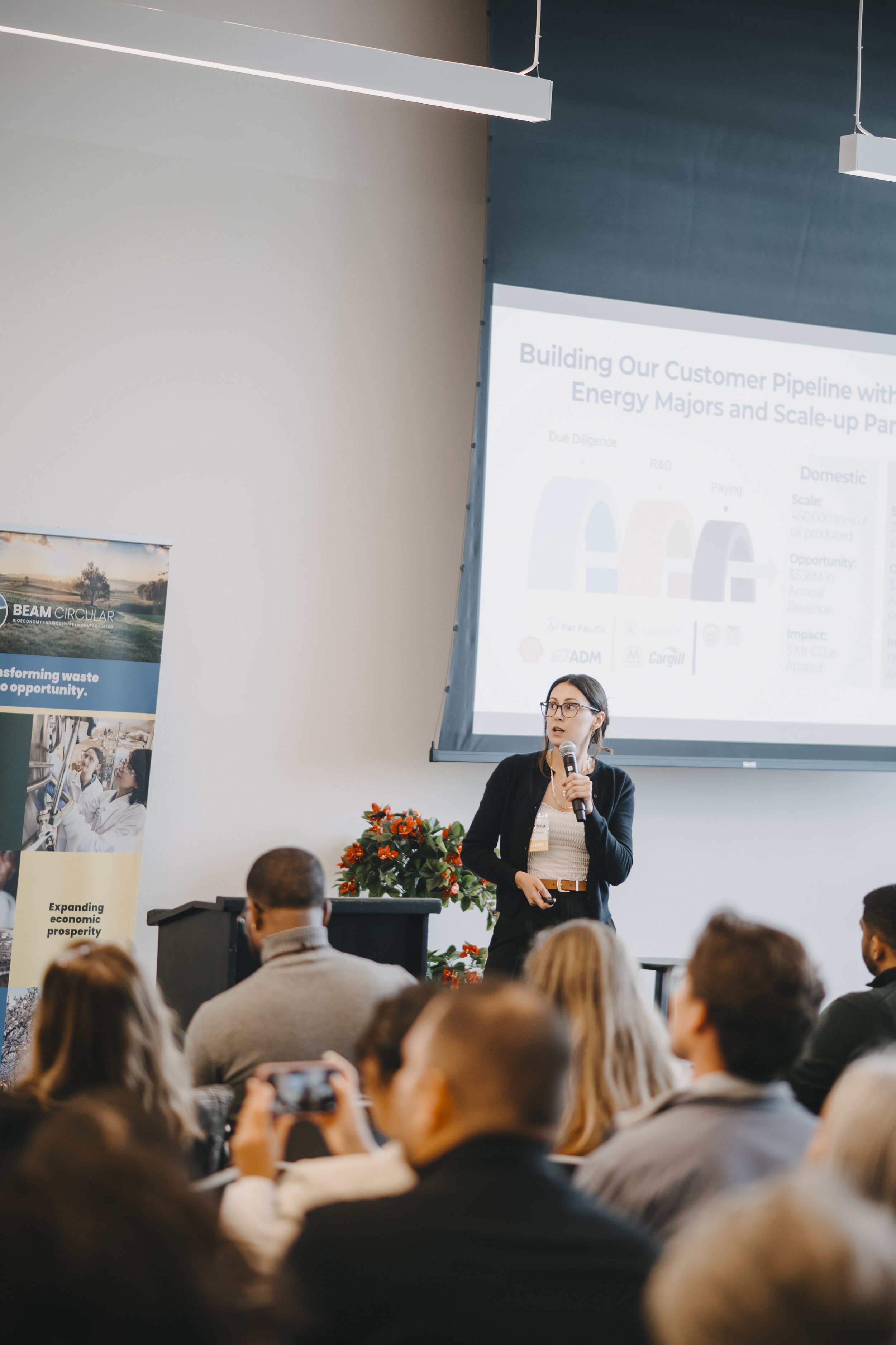
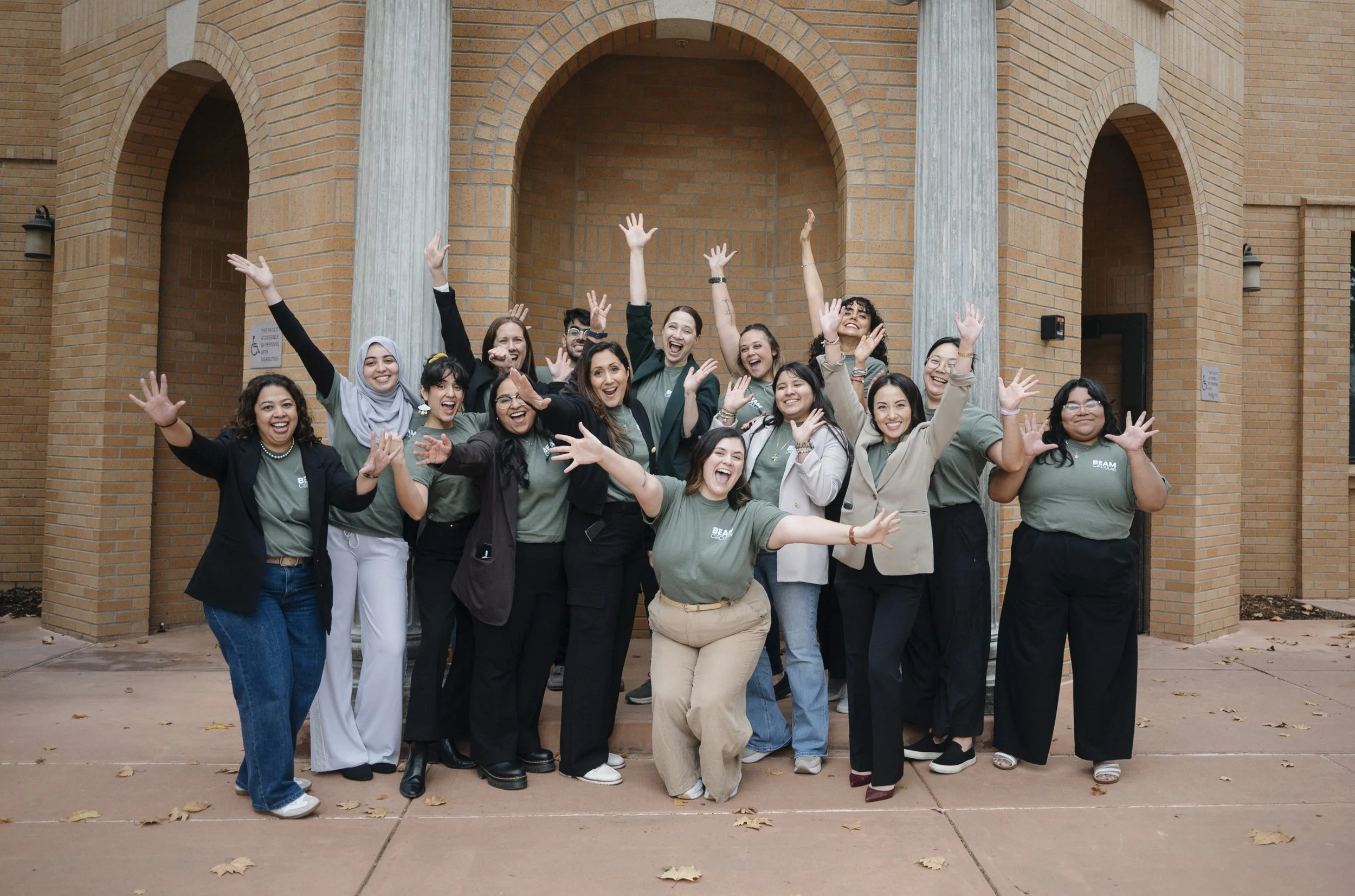
Interested in details about each of our sessions? Read further:
Main Stage
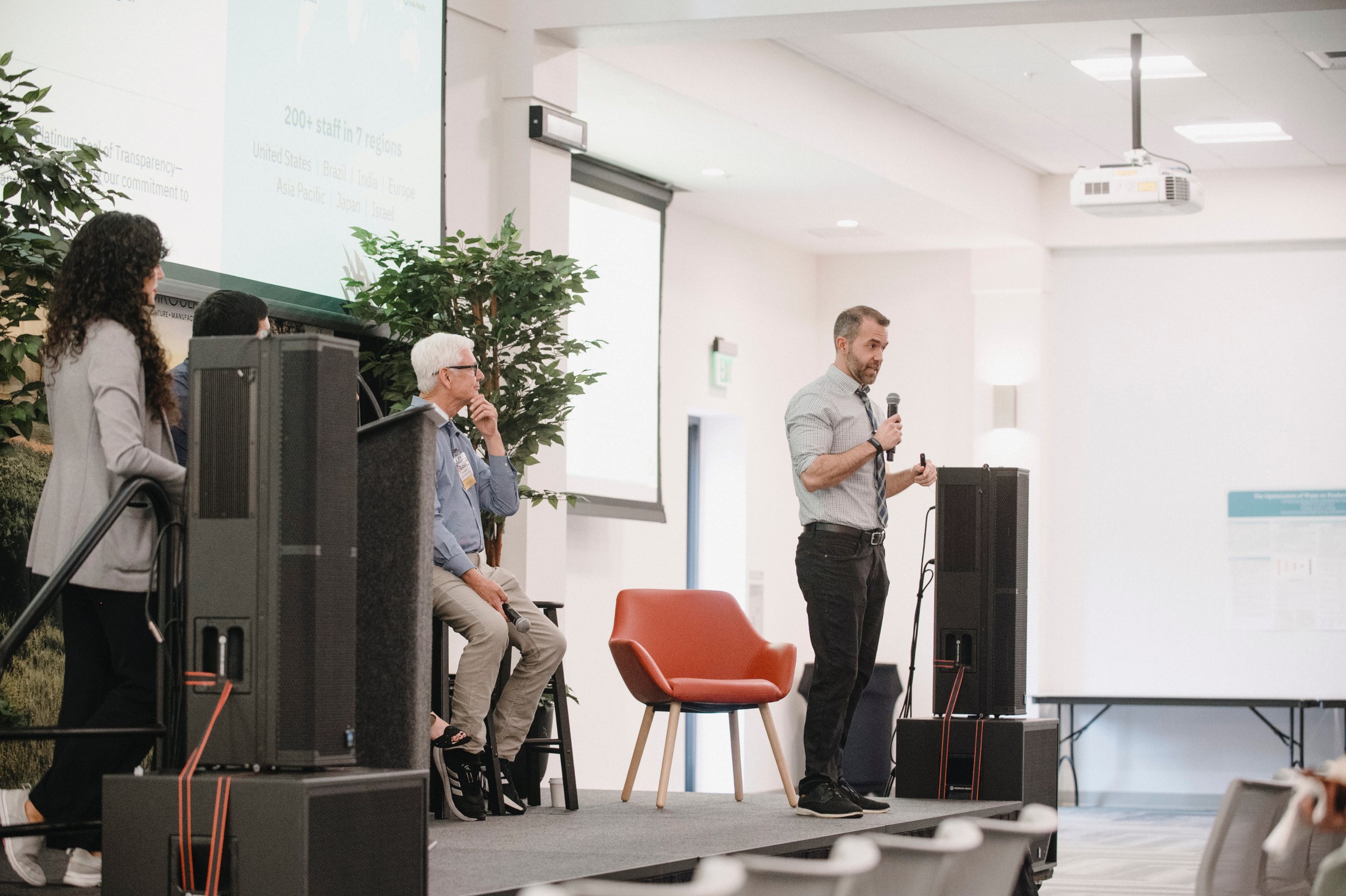
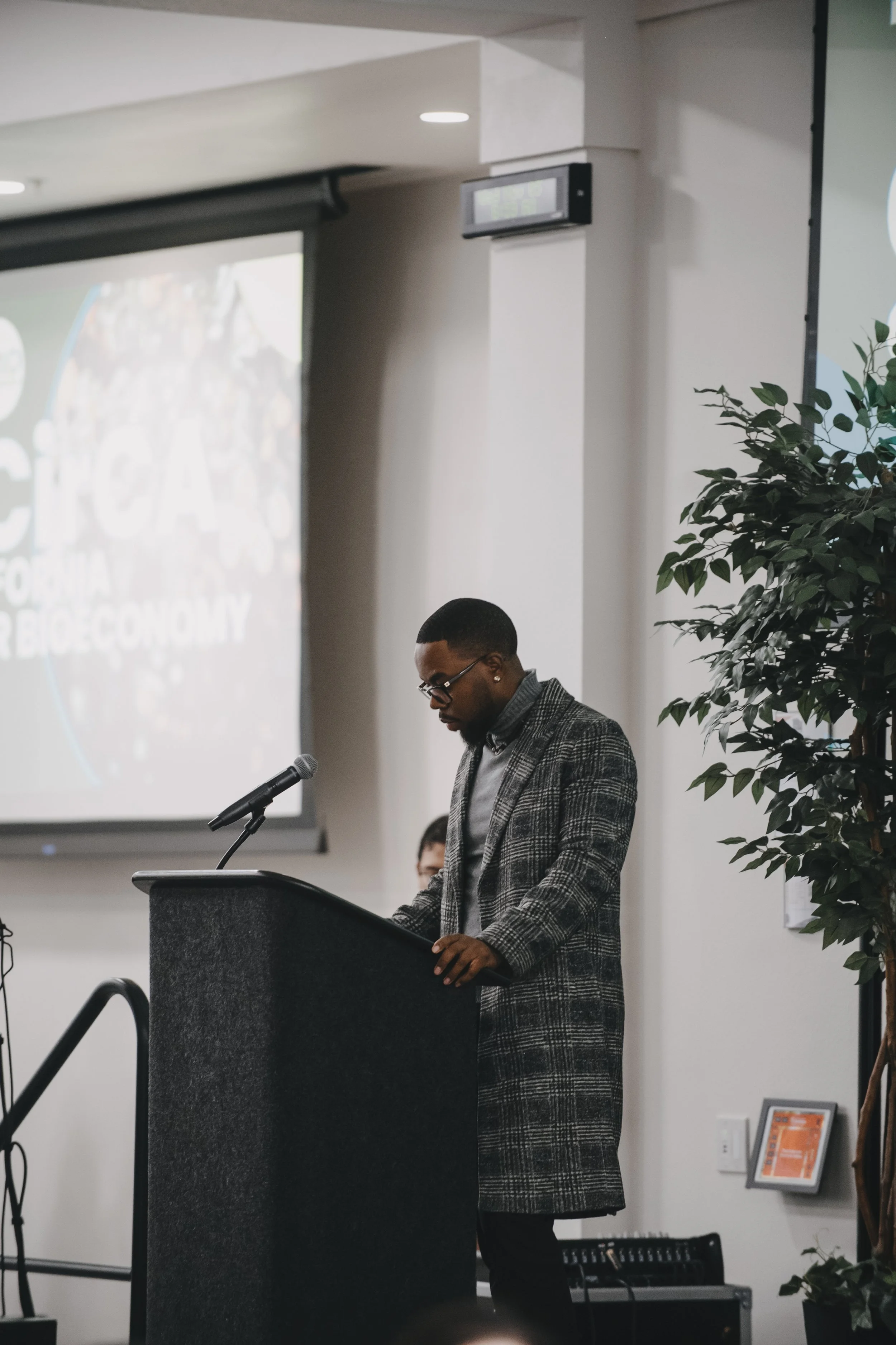
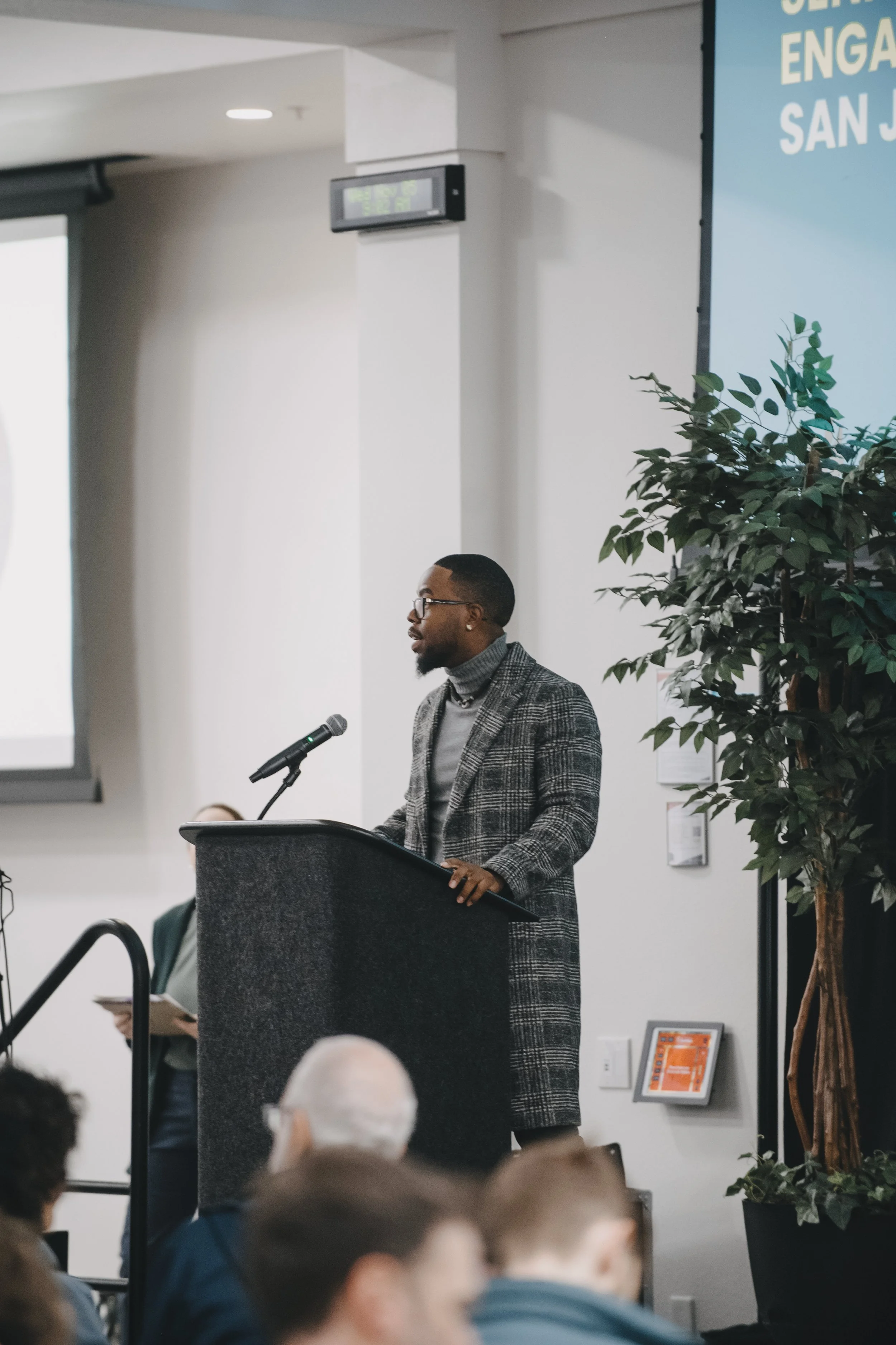
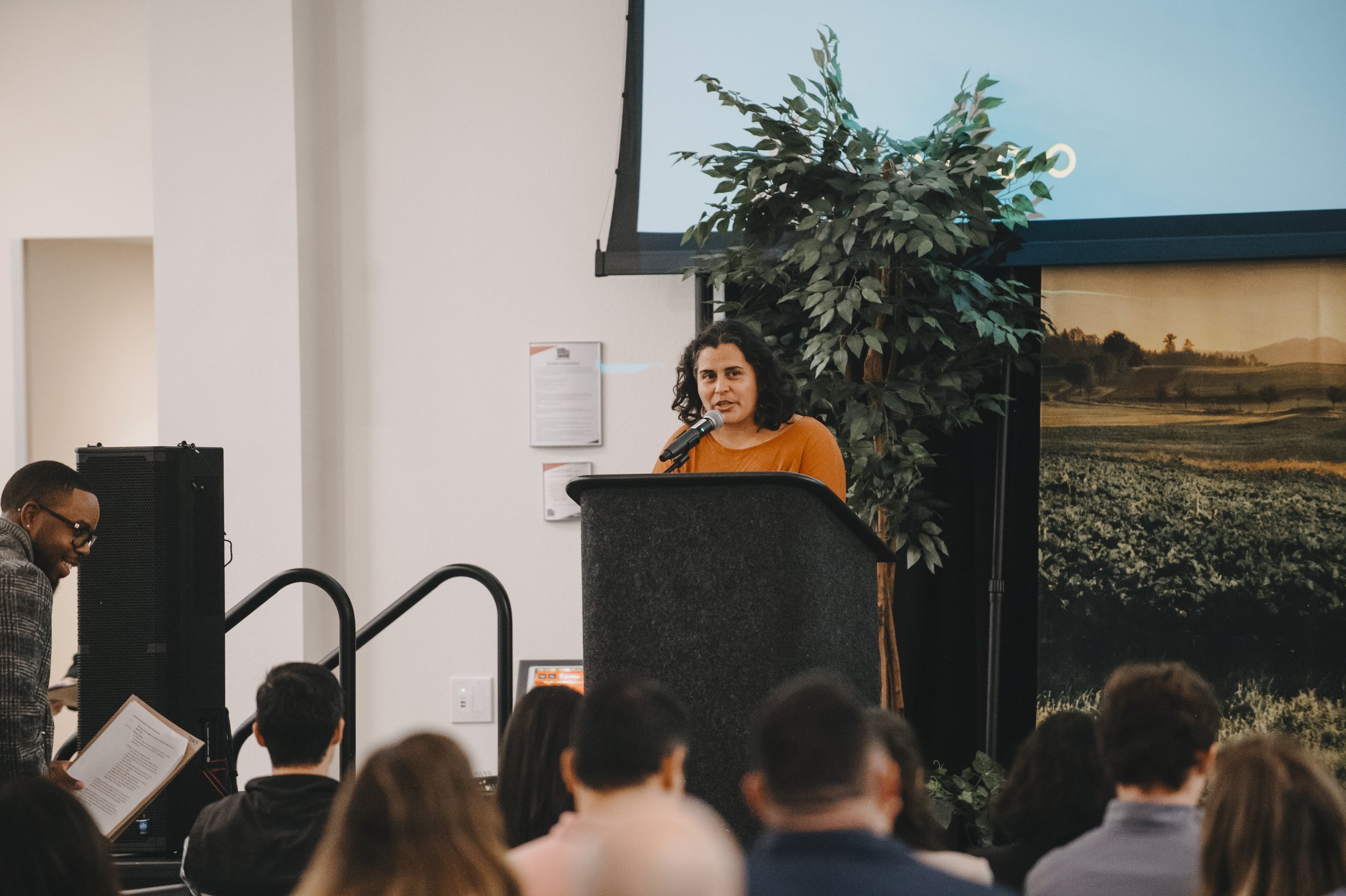
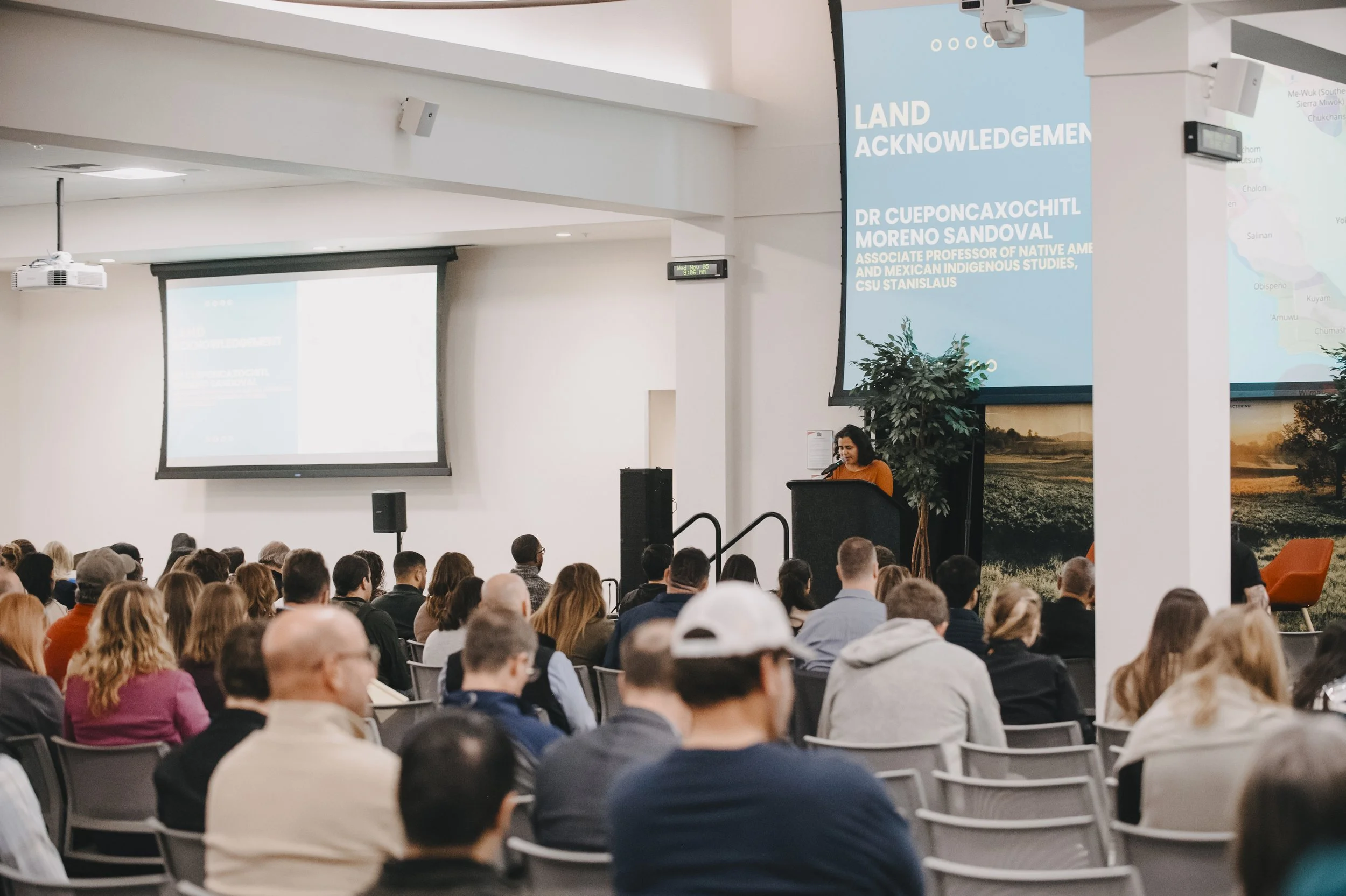
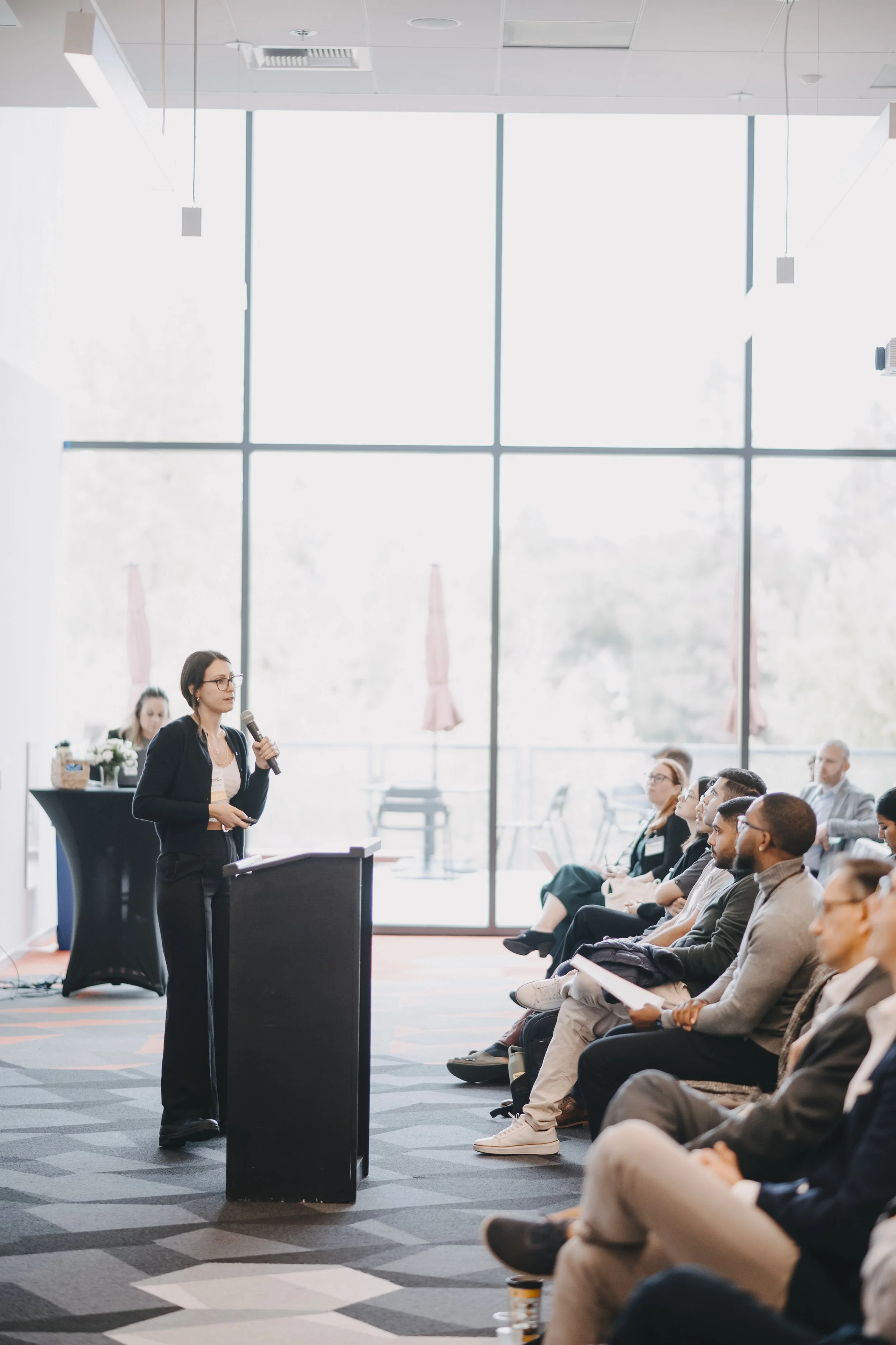
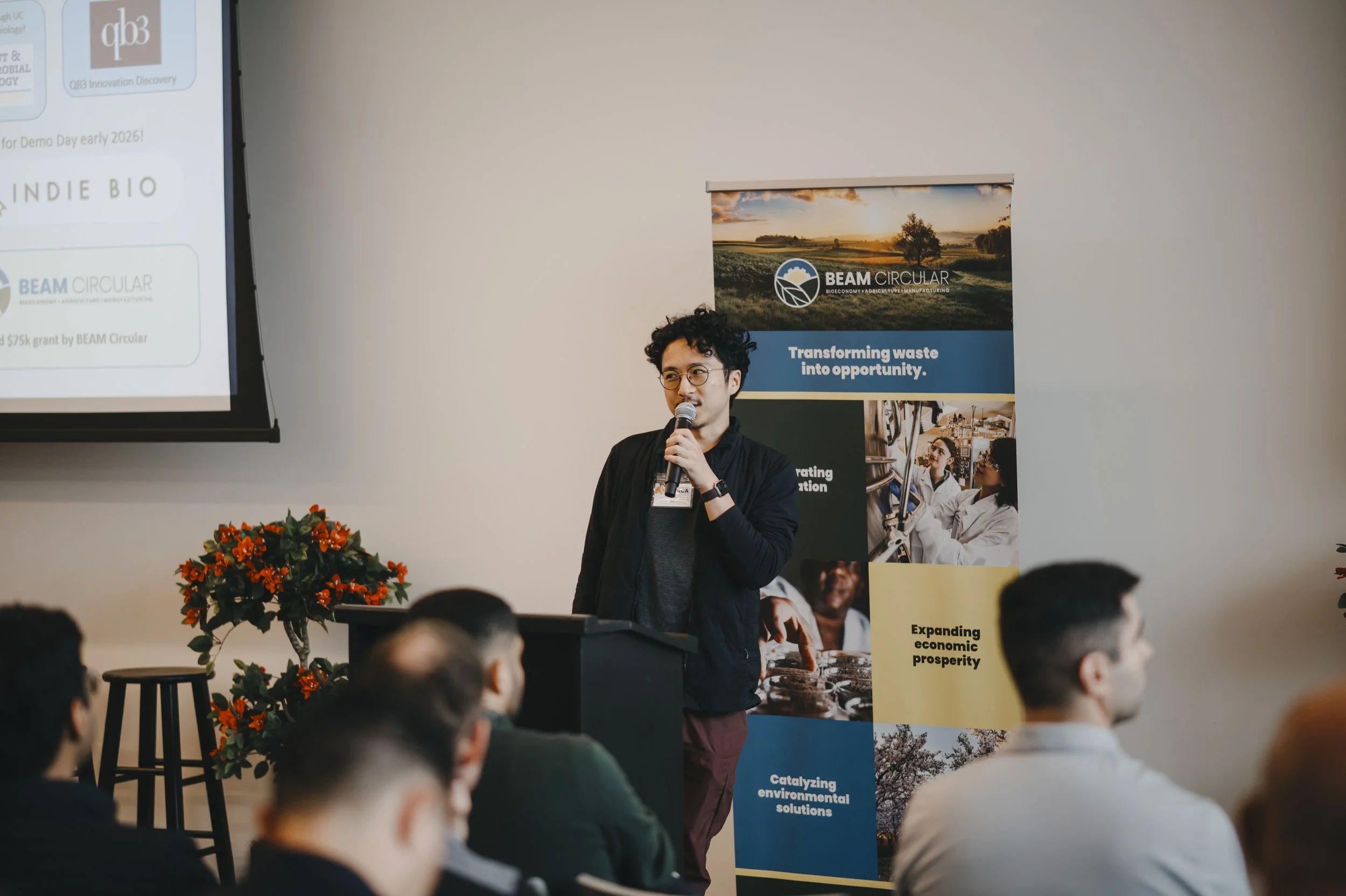
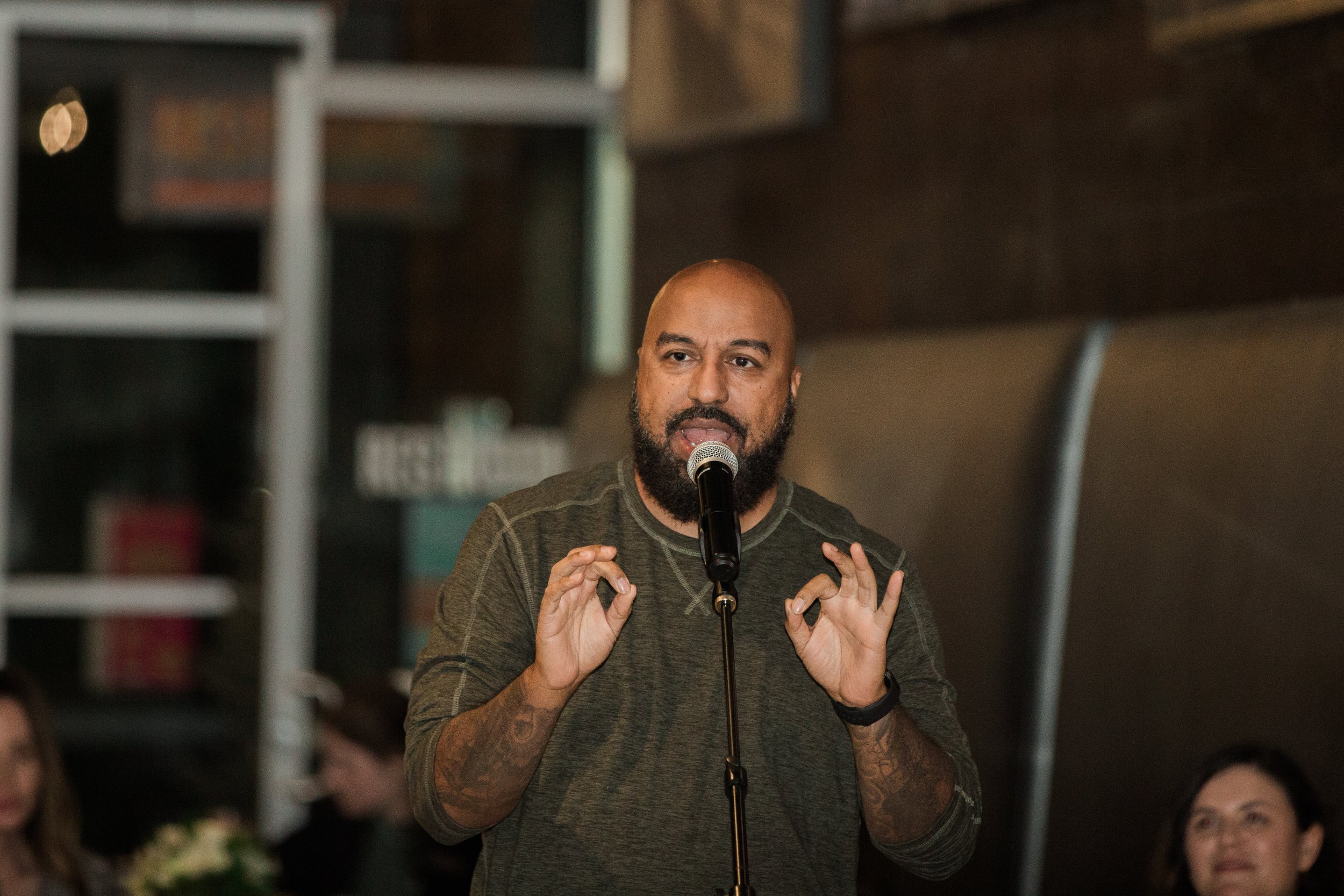
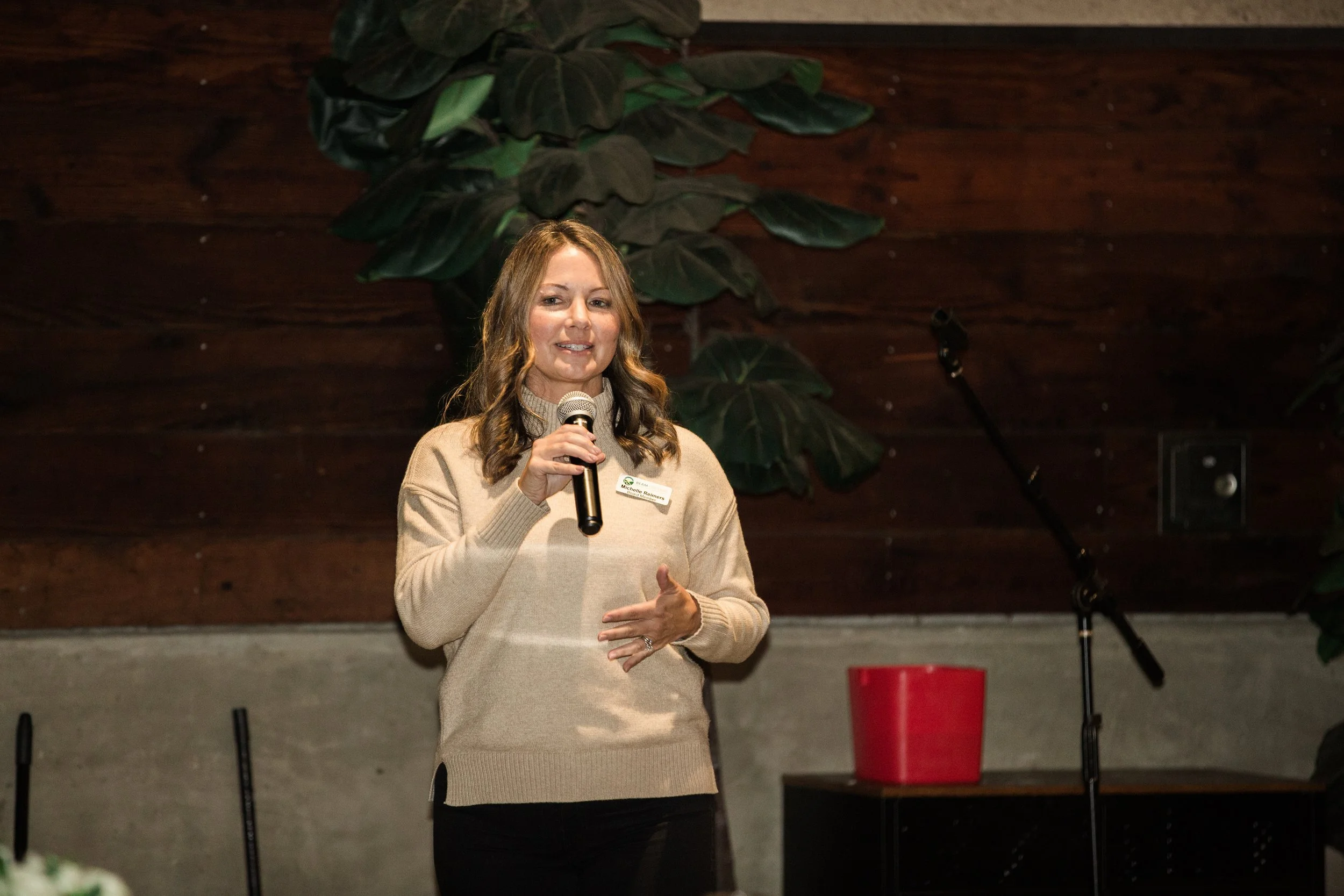
The Circular Bioeconomy: California's Path Forward (Opening Plenary Session): The day was kicked off by emcee Tony Gladney, and welcome remarks from President of CSU Stanislaus Britt Rios-Ellis, Supervisor Terry Withrow, and a beautiful and thought-provoking land acknowledgement from Dr. Cueponcaxochitl Moreno Sandoval. The session featured a 2025 year in review presentation by BEAM Circular CEO Karen Warner, and lightning talks by partners and BEAM Circular program participants, including Danielle Pascoli, Founder and CEO of Verde Nanomaterials; Daniel Kurzrock, Co-Founder and CEO of Upcycled Foods, Inc., Lynne McBride, Executive Director of California Dairy Campaign, and M. Edrees Alizai, MESA student at Modesto Junior College. Finally, the morning culminated in a Keynote Fireside Chat with Secretary of the California Department of Food and Agriculture Karen Ross and BEAM Circular CEO Karen Warner, setting the stage for a day of collaboration, innovation, and possibility.
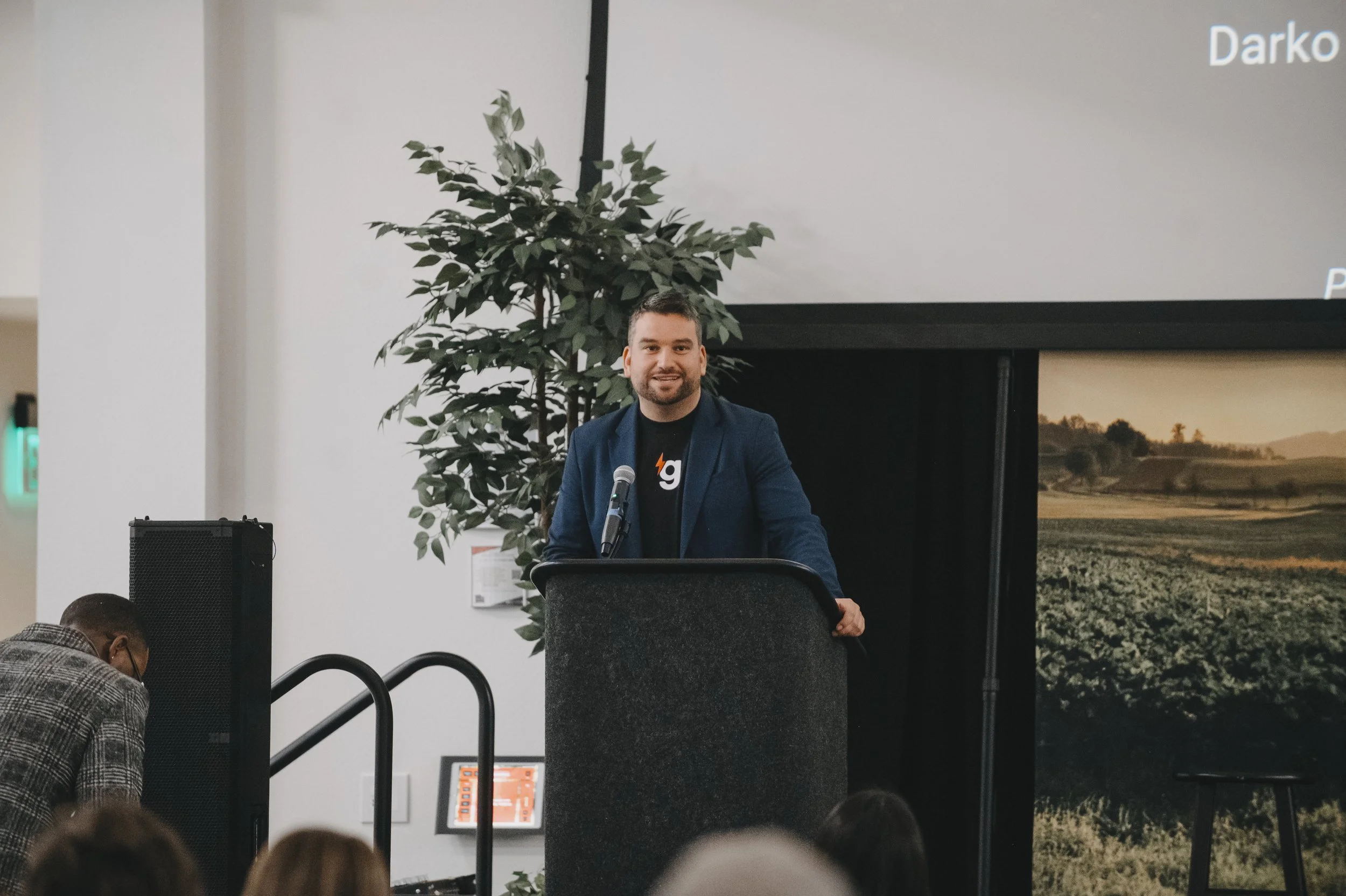
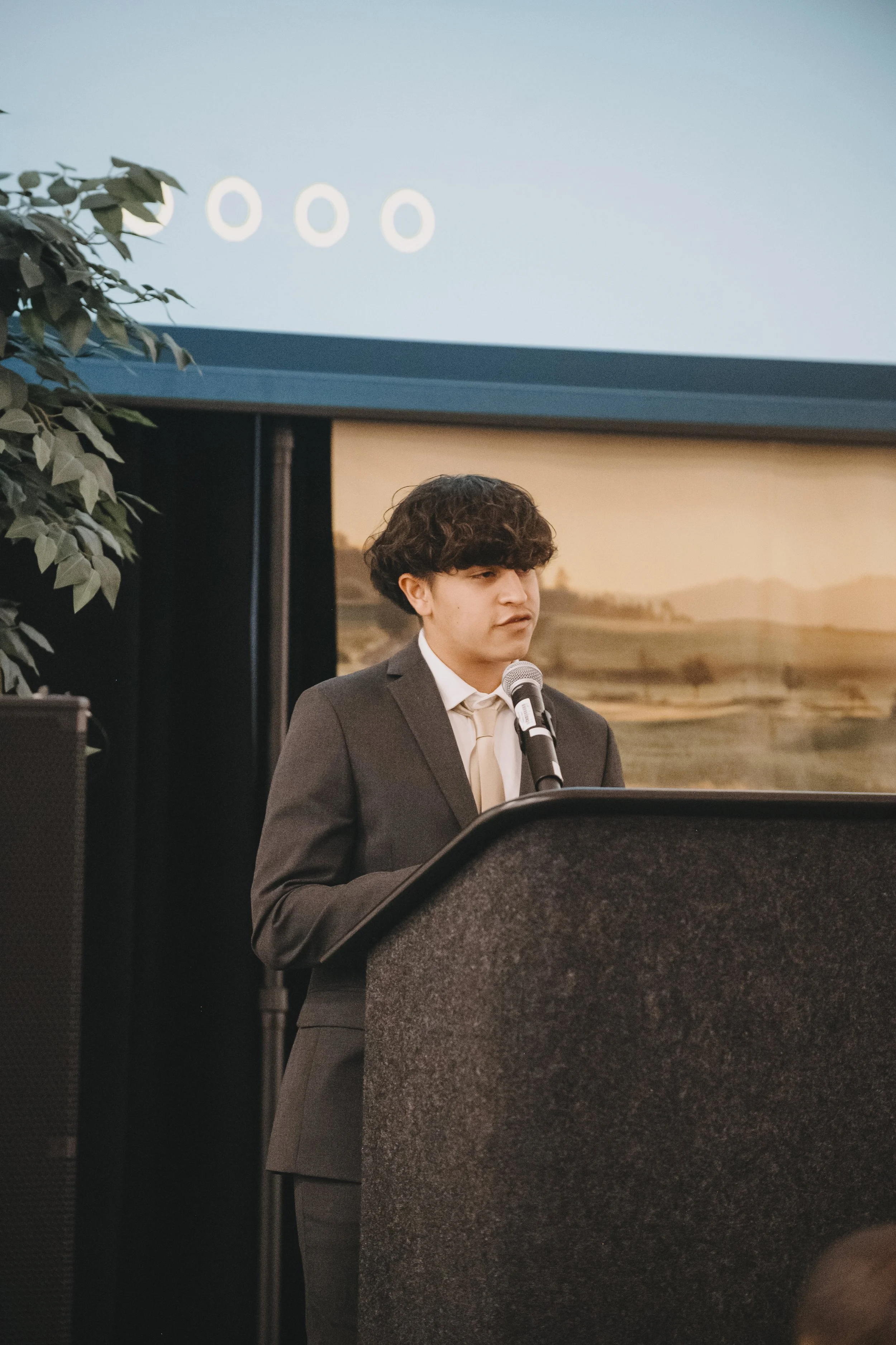
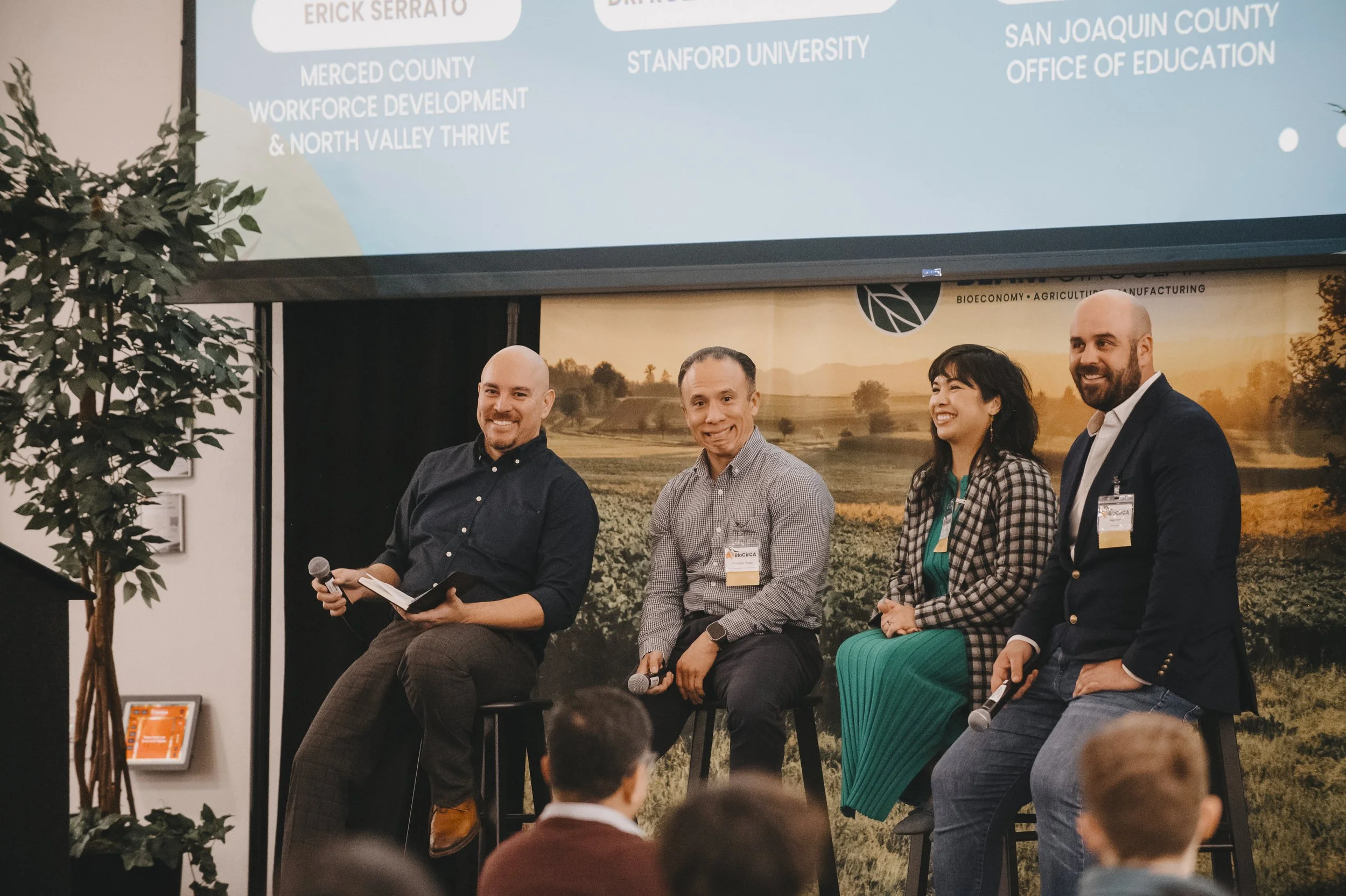
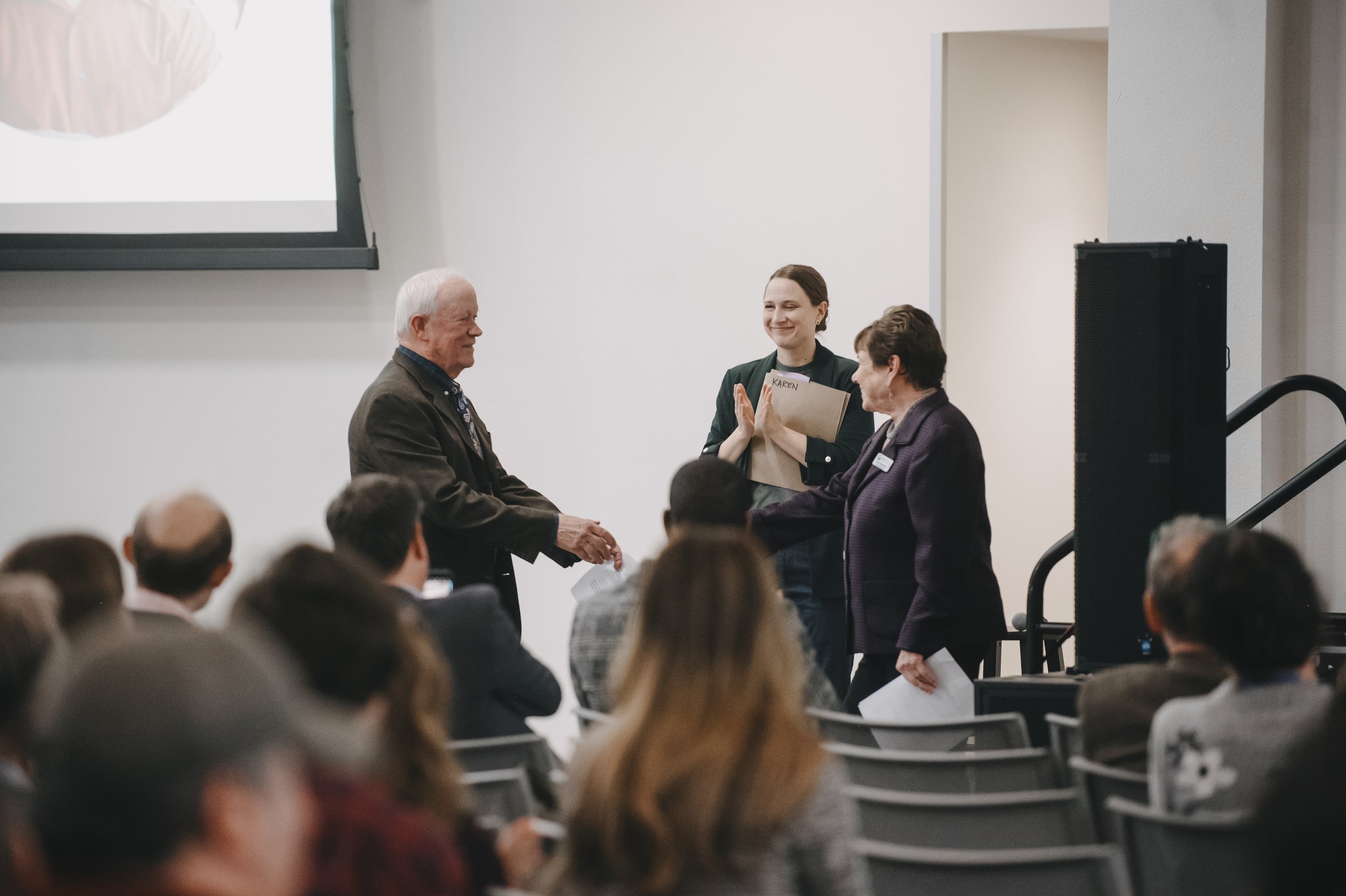
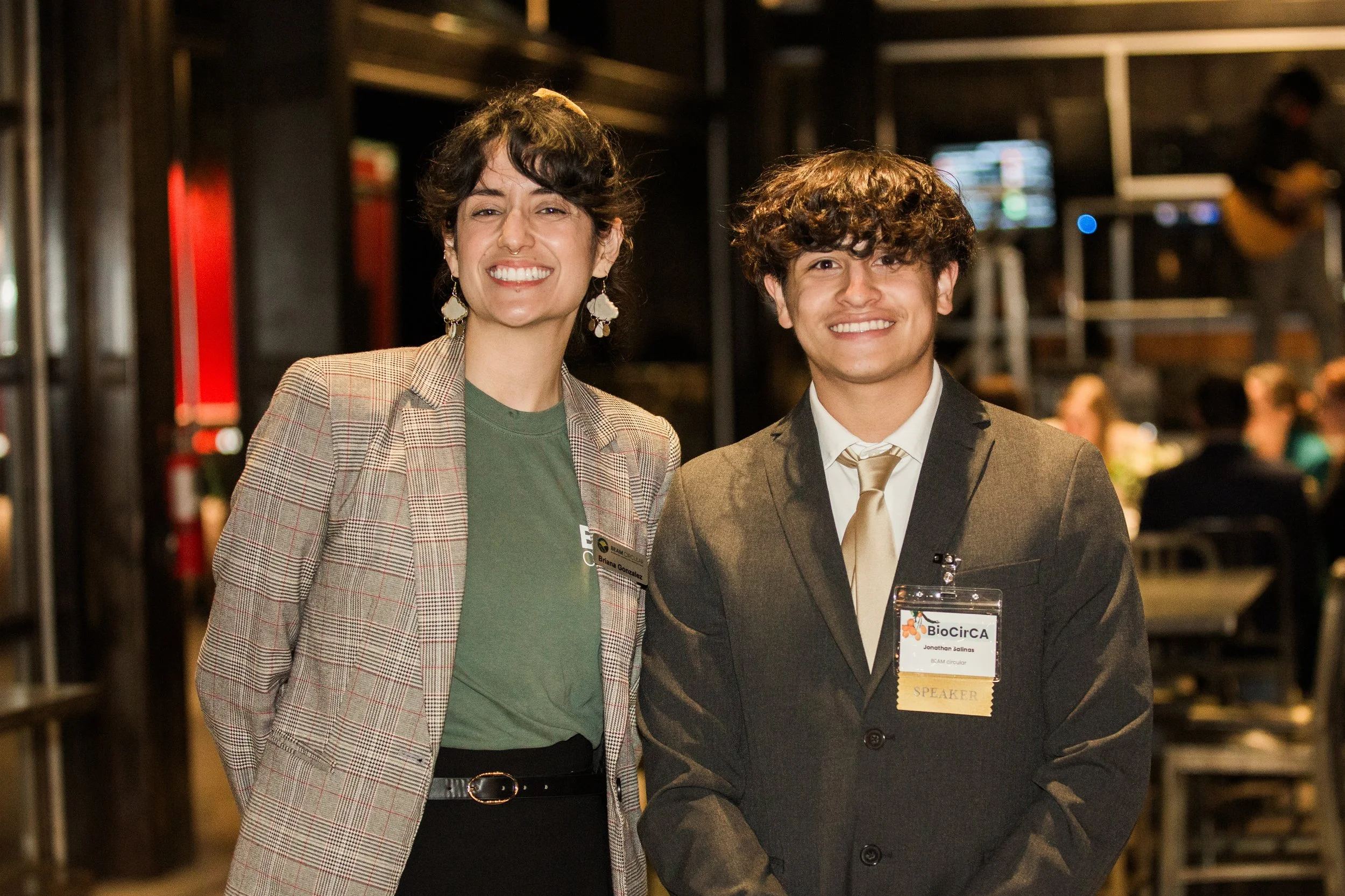
Activating the Vision (Closing Plenary Session): The BEAM Circular Accelerator officially kicked off 2026 recruitment with an announcement by gener8tor Managing Partner Darko Mandich. BEAM Board Member and former US Secretary of Agriculture Ann Veneman introduced CA State Senator Jerry McNerney. The session also featured Ripon High School Student Jonny Salinas, who shared his personal story and the impact of becoming a BEAM Circular youth ambassador; a rousing keynote address from Bill Shireman, President and CEO of Solution Citizen; and a closing panel on how to foster a community-centered innovation ecosystem, which was moderated by Erick Serrato, Executive Director of North Valley THRIVE and featured Dr. Rolando Cruz Perez, Professor at Stanford University and Co-Founder and Director of Technology at Open Fung, Delgel Pabalan, STEM Director of San Joaquin County Office of Eduction, and BEAM Circular Accelerator alumnus and Terra Rossa Founder Edgar Perez.
Food and Agriculture Breakout Track
Advancing Regenerative Agriculture through Bio-Based Innovation - Hosted by UC Merced - explored opportunities for bio-based innovation to support agricultural resilience and sustainability. Featuring Dan Sonke, Head of Sustainability at Blue Diamond Growers, Deborah Thomas, Network Coordinator of Farmer Ag Network, Kimberly Gibson, Postdoctoral Scholar for Inclusive Innovation for Climate Smart Agriculture at Valley Institute for Sustainability, Technology, & Agriculture, Joshua Garcia, Assistant Professor at UC Merced, Alexis Valadez, a Fellow for F3i TerraTech Fellowship Program, Gerardo Diaz, Professor, School of Engineering at UC Merced, and led by Executive Director of F3 VISTA at UC Merced, Leigh Bernacchi.
UpCycled Foods: Turning Byproducts into Breakthroughs - Hosted by Upcycled Foods - explored the world of transforming “waste” into nourishment. Daniel Kurzrock, Co-Founder and CEO of Upcycled Foods, Inc. brought the audience through today’s fast-evolving market landscape, and dove into real-world ingredient innovations that rescue byproducts and reimagine them as delicious, valuable food. Vivid case studies featured Edward Hoffman, Head of Communications at Upcycled Foods, Inc., Josette Lewis, Chief Scientific Officer at Almond Board of California, Bo Xu, CEO of Gilly Biotechnologies, Michelle Ruiz, CEO and Founder of Hyfé, Swetha Mahadevan, Head of Product at Compound Foods, and Zane Starkewolfe, CEO and Co-Founder of Optimized Foods.
Fuels, Chemicals, & Materials Breakout Track
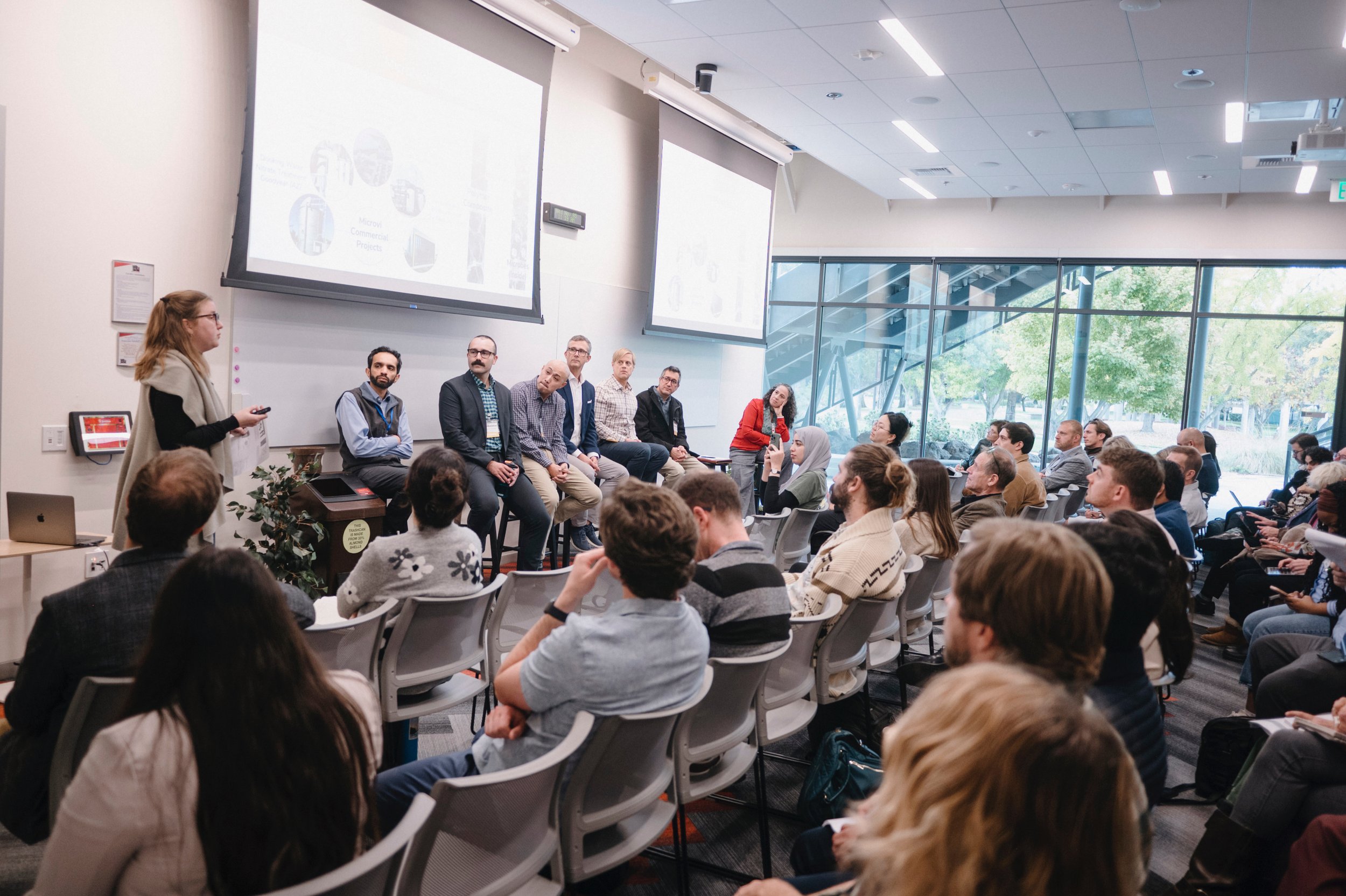
Sector Spotlight: Natural Polymers & Green Chemistry dove deep into cutting-edge innovations that are transforming materials and chemistry. Leaders of innovation included: Jeff Anderson, CEO of AllMade Materials, George Chan, Director of Science at BioForceTech, Ana Echaniz, Senior Director of Bioprocessing at Ruby Bio, Connor Galleher, Associate Director of Process Engineering at Genomatica, Shan Kelkar, R&D and Innovation Manager at Ingredion, Allyson Lutz, a Research Associate of EIT at Microvi Biotech Inc., Jeff Nelson, Creative Director, and Mohammad Tajparast, Founder, at Biochosen. Attendees learned about breakthrough technologies from a range of companies - from established to startup - about the ways these companies are turning bio-based materials into practical alternatives, highlighting the growing potential and impact of this rapidly evolving sector.
Sector Spotlight: Renewable Hydrogen & Green Fuels - Hosted by the Green Hydrogen Coalition - explored the opportunities that green hydrogen and ammonia pose for the agricultural sector as there is growing pressure to decarbonize and manage organic waste. Led by Janice Lin, Founder and President of Green Hydrogen Coalition, the session provided an update on California’s green hydrogen economy and addressed opportunities for developing a local green ammonia production industry utilizing abundant local resources. Featuring Thomas Hobby, CEO and Managing Member of Yosemite Clean Energy, Tyson Eckerle, Senior Advisor for Clean Infrastructure and Mobility from California Governor's Office of Business and Economic Development, and Ian Kuhlenthal, Commercial Lead of Ammobia.
Workforce Development Breakout Track
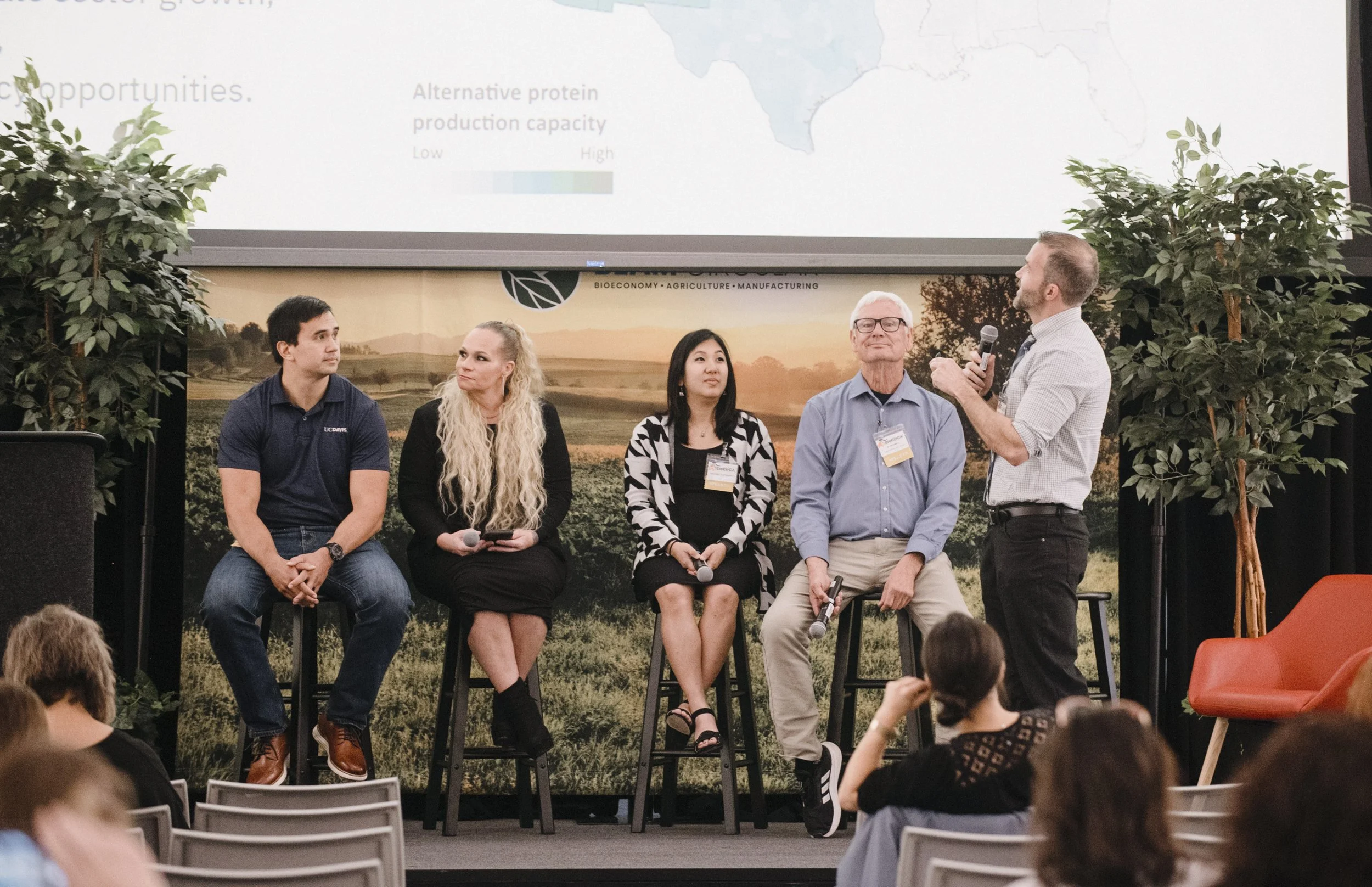
Next-Gen Workforce: Career Pathways in the Bioeconomy - Sponsored by Modesto Irrigation District - explored the numerous vocational possibilities offered by the circular bioeconomy. The session dove into Solano College’s biotechnology and biomanufacturing programs, built from the ground up by Dr. Jim DeKloe to equip students with tangible skills based on industry needs. We also heard from The Good Food Institute’s Dr. Jeremy Eltz about workforce opportunities and career pathways in the rapidly growing alternative protein sector. Marleen Kanagawa from Divert, Colleen Alltus, alumna of VOLT Institute, and Alexander Hobby from Hilmar Cheese shared their experiences working in the circular bioeconomy.
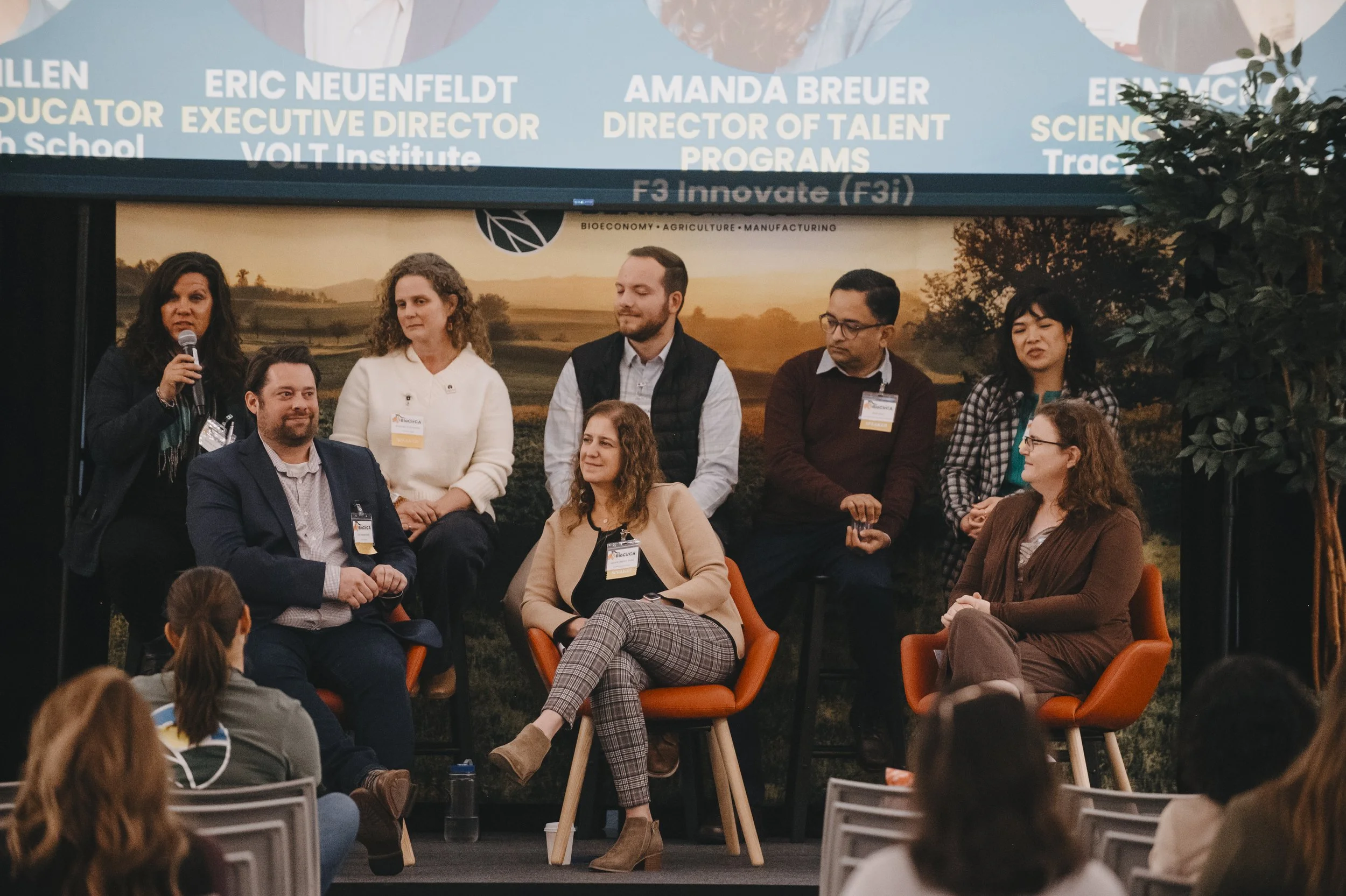
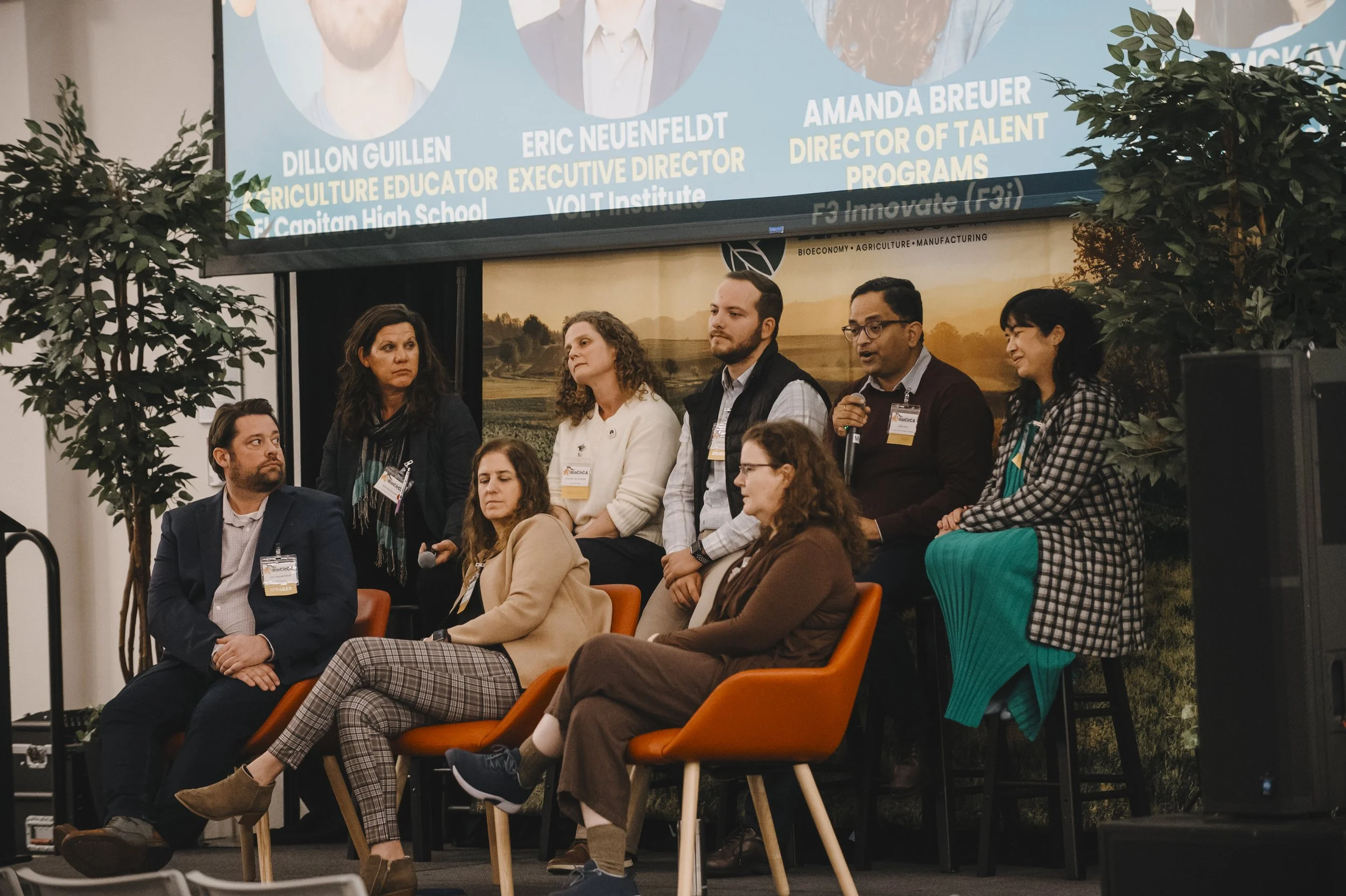
Next-Gen Workforce: Education & Training Program Spotlights - Sponsored by Turlock Irrigation District - explored how the North San Joaquin Valley is preparing the next generation of bioeconomy professionals. The session highlighted the innovative education and training programs from local institutions and organizations. We heard from Dr. Alok Arun from CSU Stanislaus, Brenda Schneider from Merced College, Delgel Pabalan from San Joaquin County Office of Education, Dillon Guillen from El Capitan High School, Dr. Laurie Weiss Maki from Modesto Junior College, Eric Neuenfeldt from VOLT Institute, Erin McKay from Tracy High School, and Mandy Breuer from F3i. Each of these wonderful education partners shared insight into different hands-on programs, workforce pathways, and strategies to equip students with the skills needed to thrive in future careers in the circular bioeconomy.
Public Policy Breakout Track
The Geography of Opportunity: Regional Perspectives on Land Use and Bioeconomy Development, moderated by Egon Terplan, Policy Advisor and Regional Planning expert with California Forward, explored many of California’s major challenges - rural development, water security, forest management, and biodiversity depletion - within the context of the transition to a circular bioeconomy. Featuring Thomas Harmon, Professor & Founding Faculty at UC Merced, Christy Prescott, President at Forest WRX, and Liam Huber, DOE Energy Innovator Fellow at the Tule River Tribe of California.
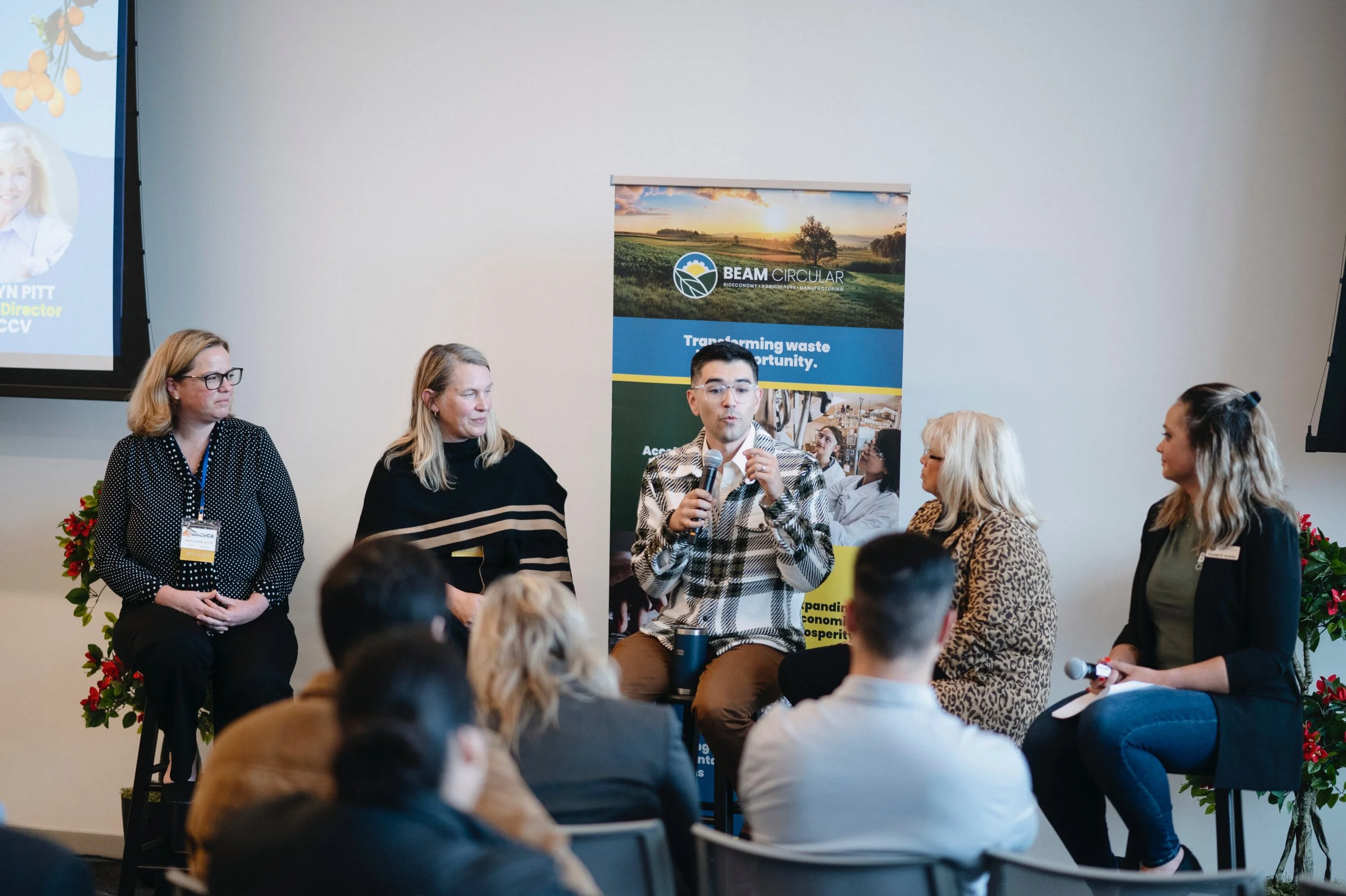
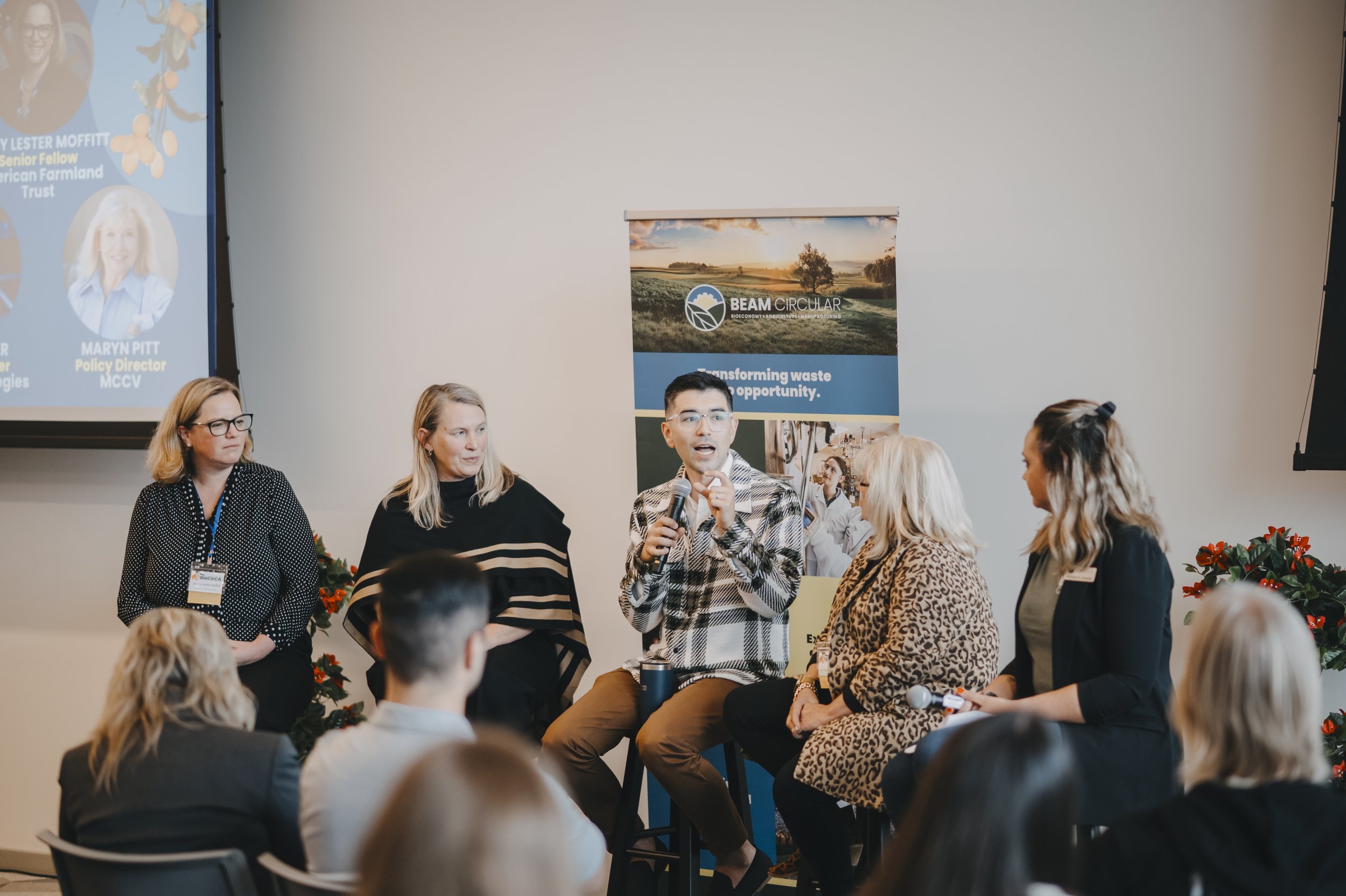
California’s Policy Landscape: Enabling the Bioeconomy opened with a presentation from CalRecycle’s Deputy Director Cara Morgan where she provided insight on California’s environmental innovation, climate action, and agricultural productivity and why it’s such a natural hub for the emerging bioeconomy. This was followed by an exciting panel exploring how California’s unique policy landscape can enable bioeconomy growth through regulatory modernization, market-shaping incentives, and innovative financing. This panel included: Keely Bosler, Founder and CEO of Keely MB Strategies, Derek Kirk, Senior Advisor for Economy Policy from California Governor's Office of Business and Economic Development, Maryn Pitt, Policy Director of Manufacturer's Council of the Central Valley, and Jenny Lester Moffitt, Senior Fellow from American Farmland Trust.
Community Foundations Breakout Track
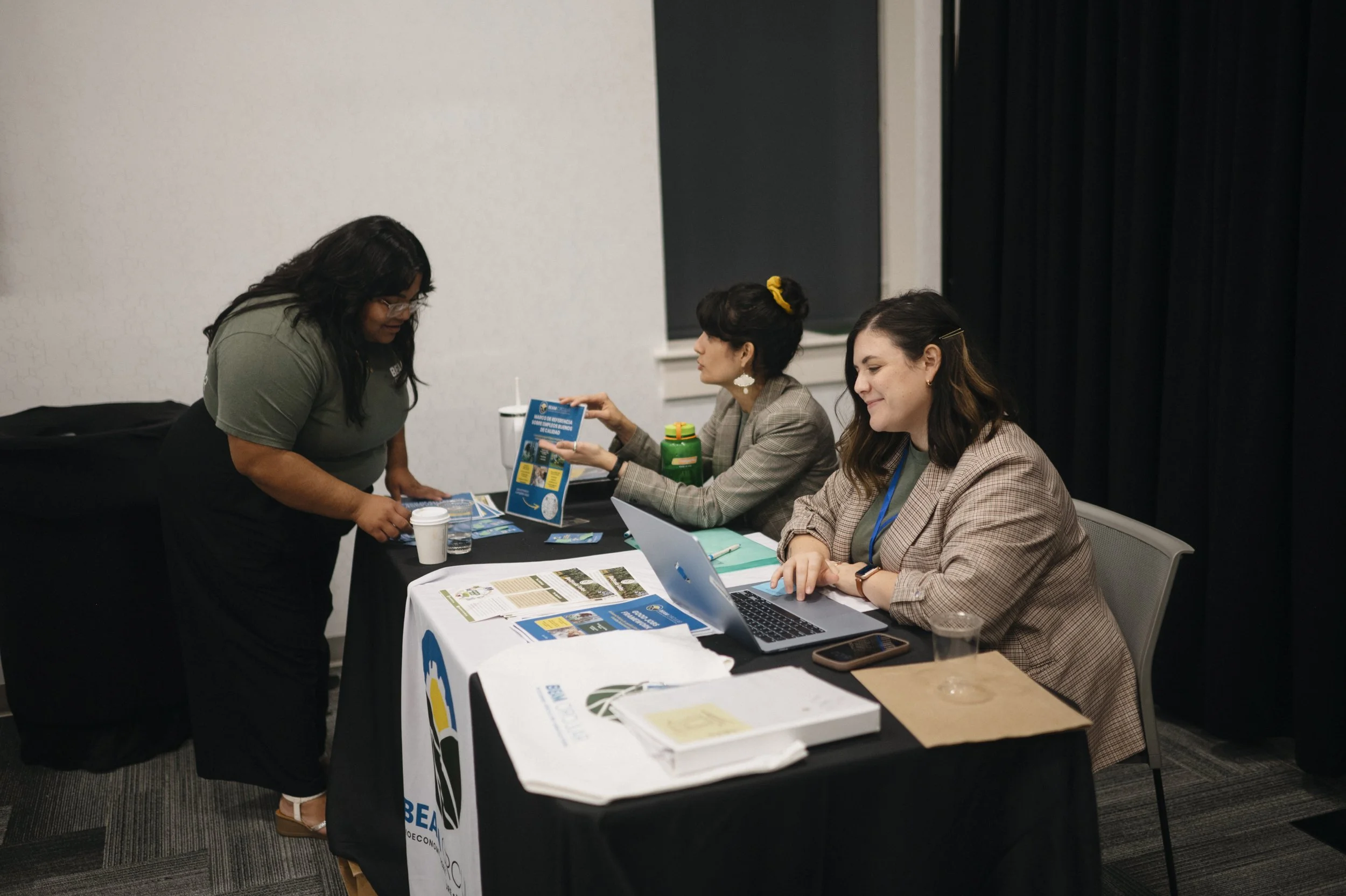
Foundations of the Circular Bioeconomy was offered in both English and Spanish as a way for community members, students, and leaders looking to explore community-centered approaches to bioeconomy growth. Led by BEAM Circular’s very own Nancy Martinez, Briana Gonzalez, and Gloriamar Gamez, this session offered an introduction to the circular bioeconomy and heard from members of the Community Steering Committee on how we can advance community prosperity within this developing sector. During the English session, we heard from Bruce Roberson, a community member from San Joaquin County, Dotty Nygard, City Council member and Founder of Tracy Earth Project, and Ahmad Majid, President of the Central Valley Chapter of National Women in Agriculture Association.
During the Spanish Foundations session in the afternoon, we heard from Erica Ayala, Founder and CEO of Invest in Me, Sofia Canela Torres, Senior Program Manager from Rising Sun Center for Opportunity, and Sol Rivas, Executive Director of Valley Onward.
Project Presentations & Start-up Pitches
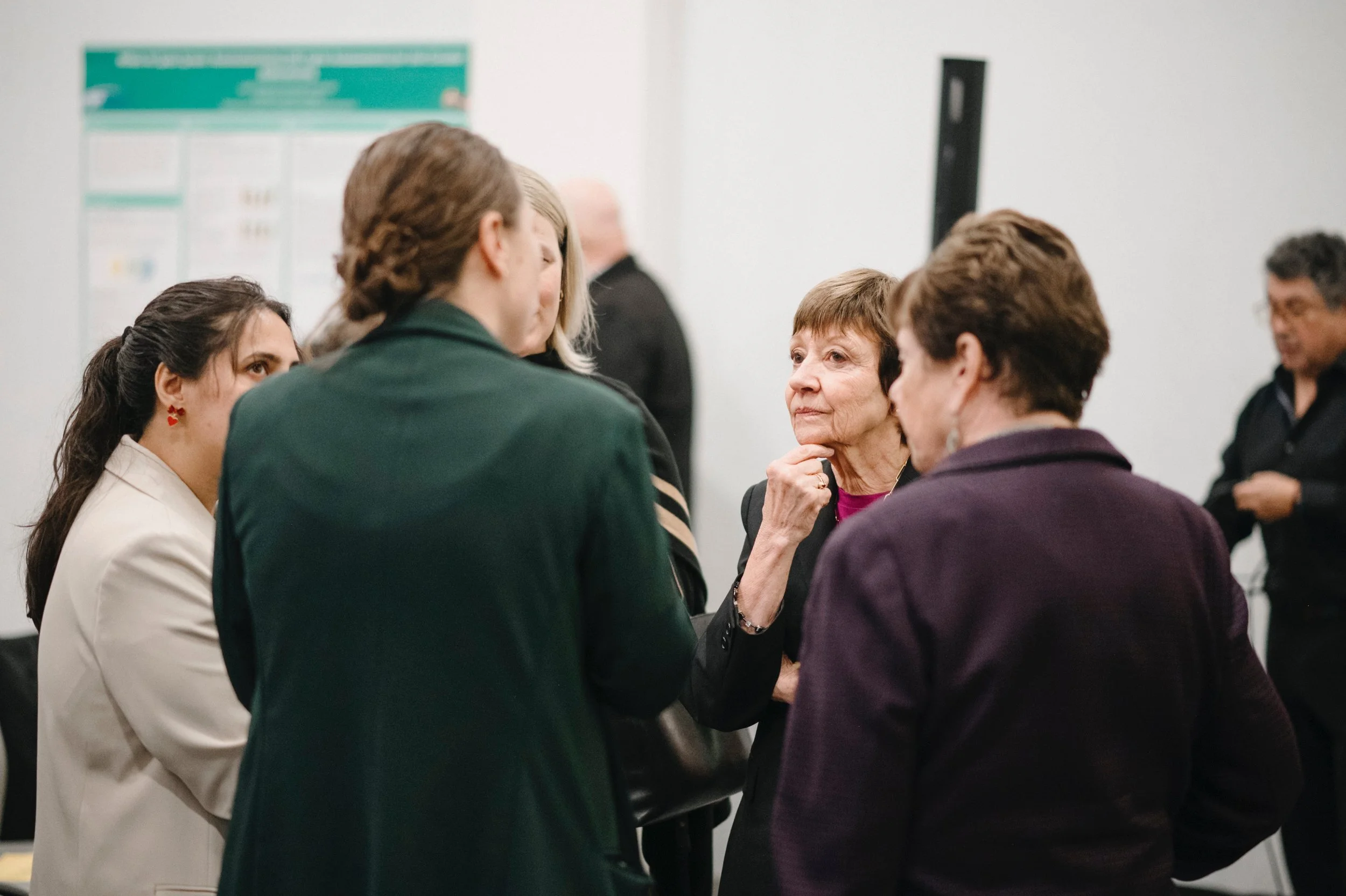
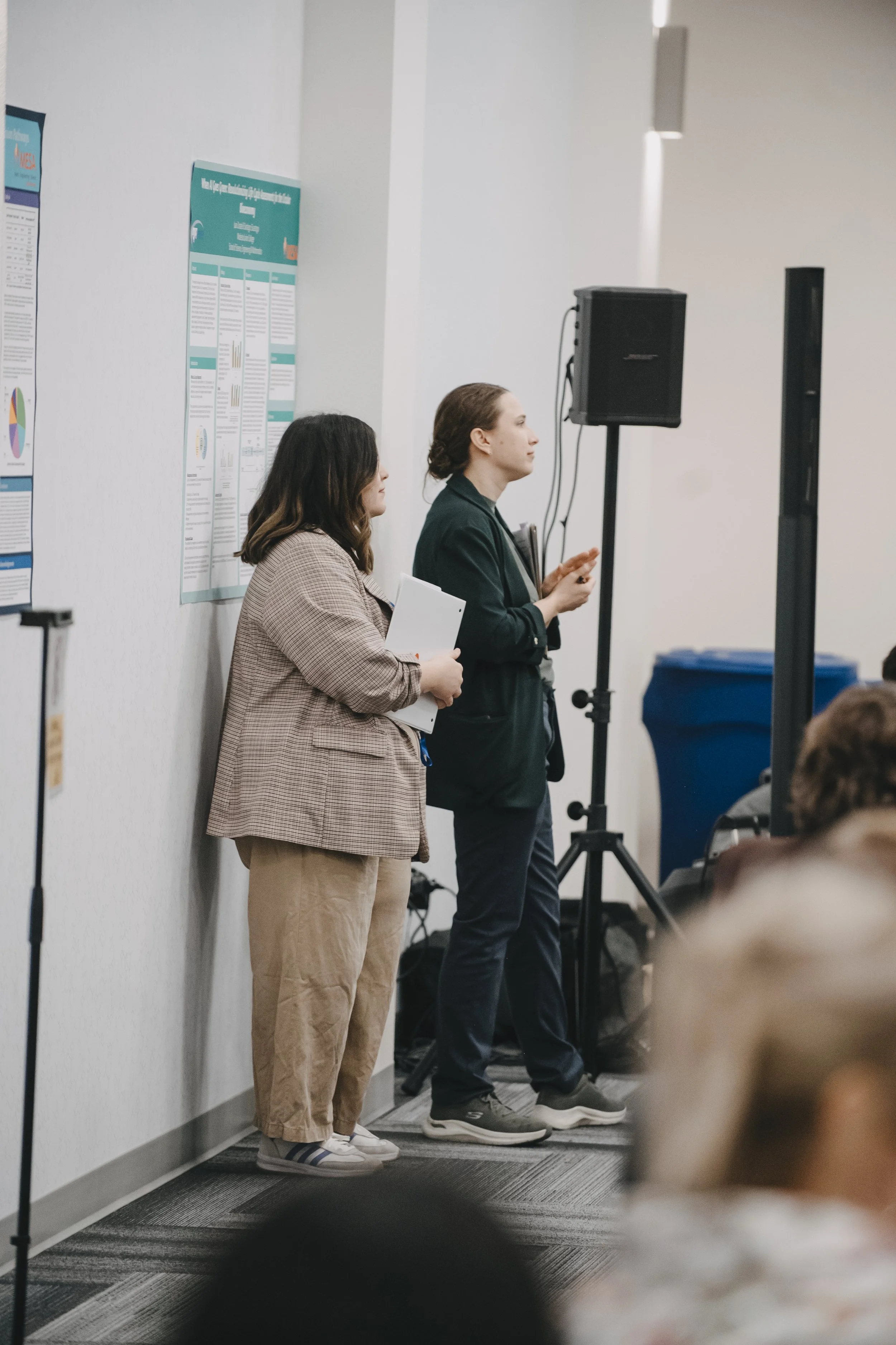
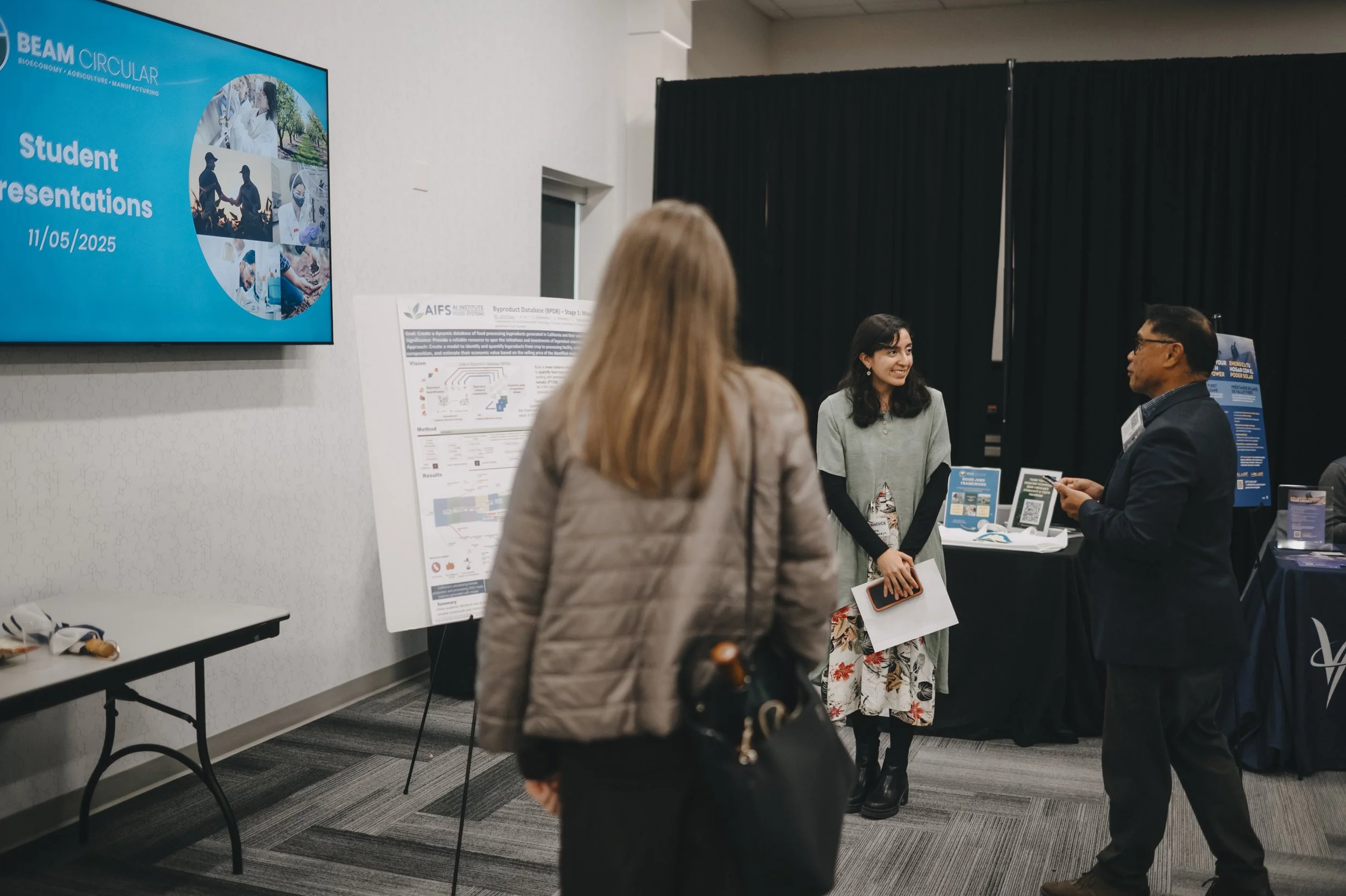
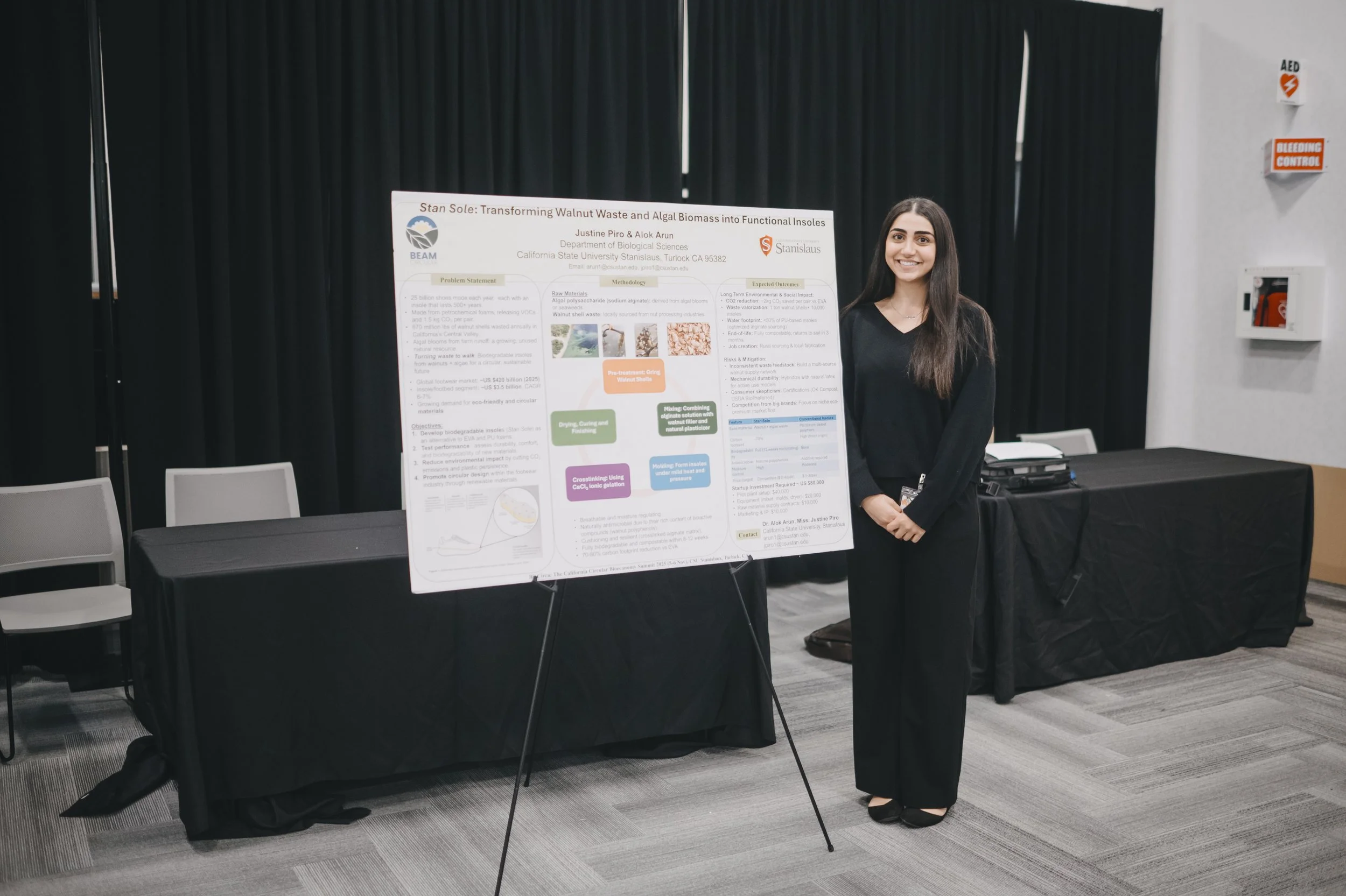
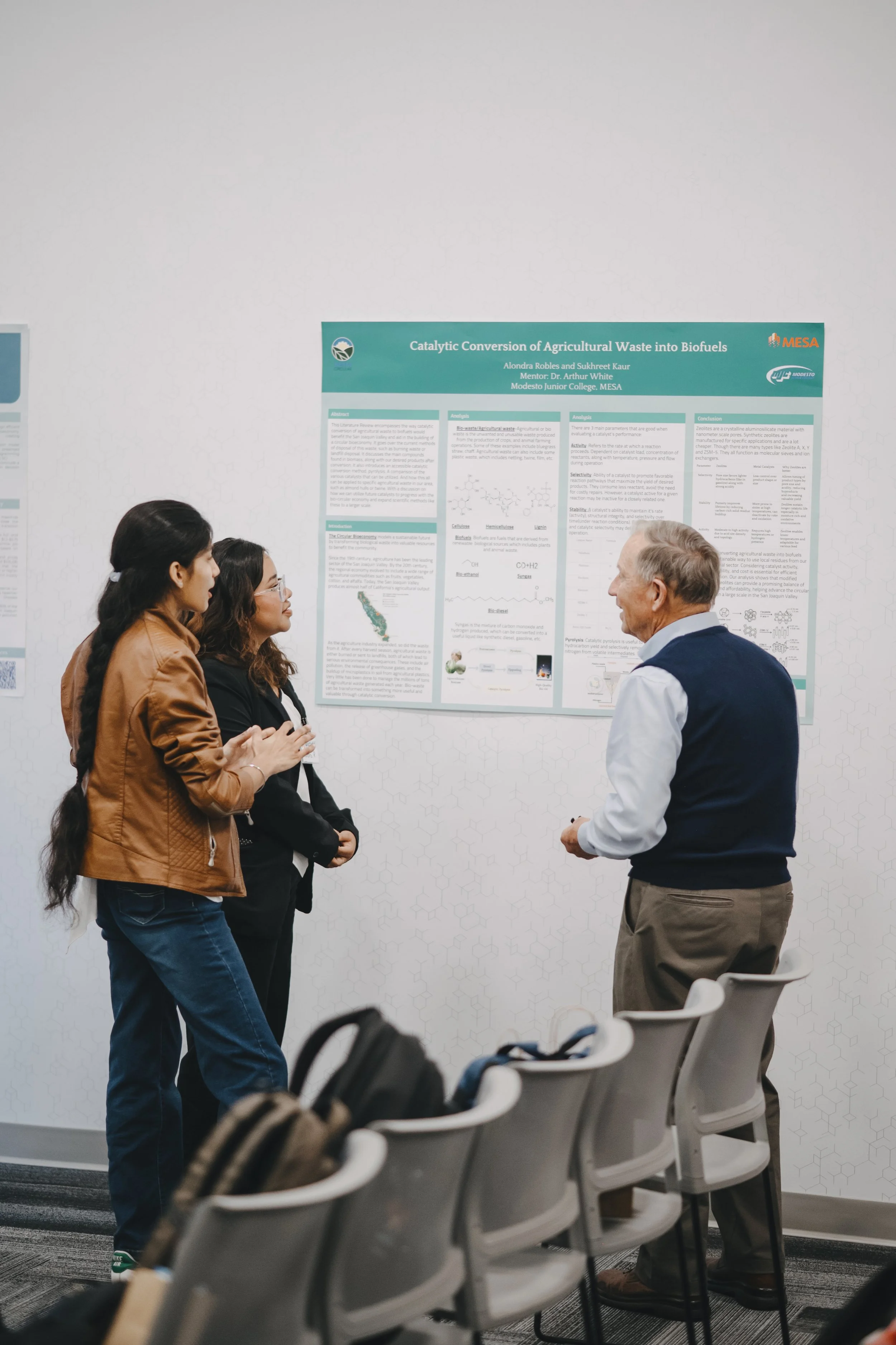
Student Research Presentations and Poster Session featured local students’ research projects. Speakers were Modesto Junior College students Brianna Morales and Omar Halimi, UC Merced students Sourov Kumar Mondal and Isaias Teran, Stanislaus State student Cody Fondse, and Merced College students Max Cardenas Pereda and Camila Villavicencio. Poster presenters were: UC Davis students Mariana Larrañaga Tapia, Merced College student Max Cardenas Pereda, Stanislaus State students Vanessa Magana, Justine Piro, and Elisabeth Marsella, and Modesto Junior College students Santiago Suastegui, Berenice Vazquez, Kirubel Kebede, Gisleni Becerra Pavon, Alondra Robles, Sukhreet Kaur, Michael Dela Fuente, and Jenessa Cervantes-Duran.
Innovation Lightning Pitches included an exciting showcase of companies in the circular bioeconomy. Companies included: Electro-Active Technologies, Oleo, AllMade Materials, Caribou Biofuels, Gilly Biotechnologies, Verde Nanomaterials, Biochosen, and Hyfé.
BioCircular Valley: Building Feedstock Data Resources to Advance the Bioeconomy featured information about the five-year project aiming to develop knowledge to support the circular bioeconomy in California's North San Joaquin Valley by generating data related to biomass composition and conversion, and making the data available through a web-based portal. Featuring James Gardner, Program Manager at ABPDU, Gerardo Diaz of UC Merced, Fraser Murison Smith, Program Manager at UC Agriculture and Natural Resources, Beau Hoffman, Owner of Bobolink Sustainability Group, Tuhin Poddar, Postdoctoral Scholar at Berkeley Lab, and Cynthia Ni, Director of Innovation Programs of BEAM Circular.
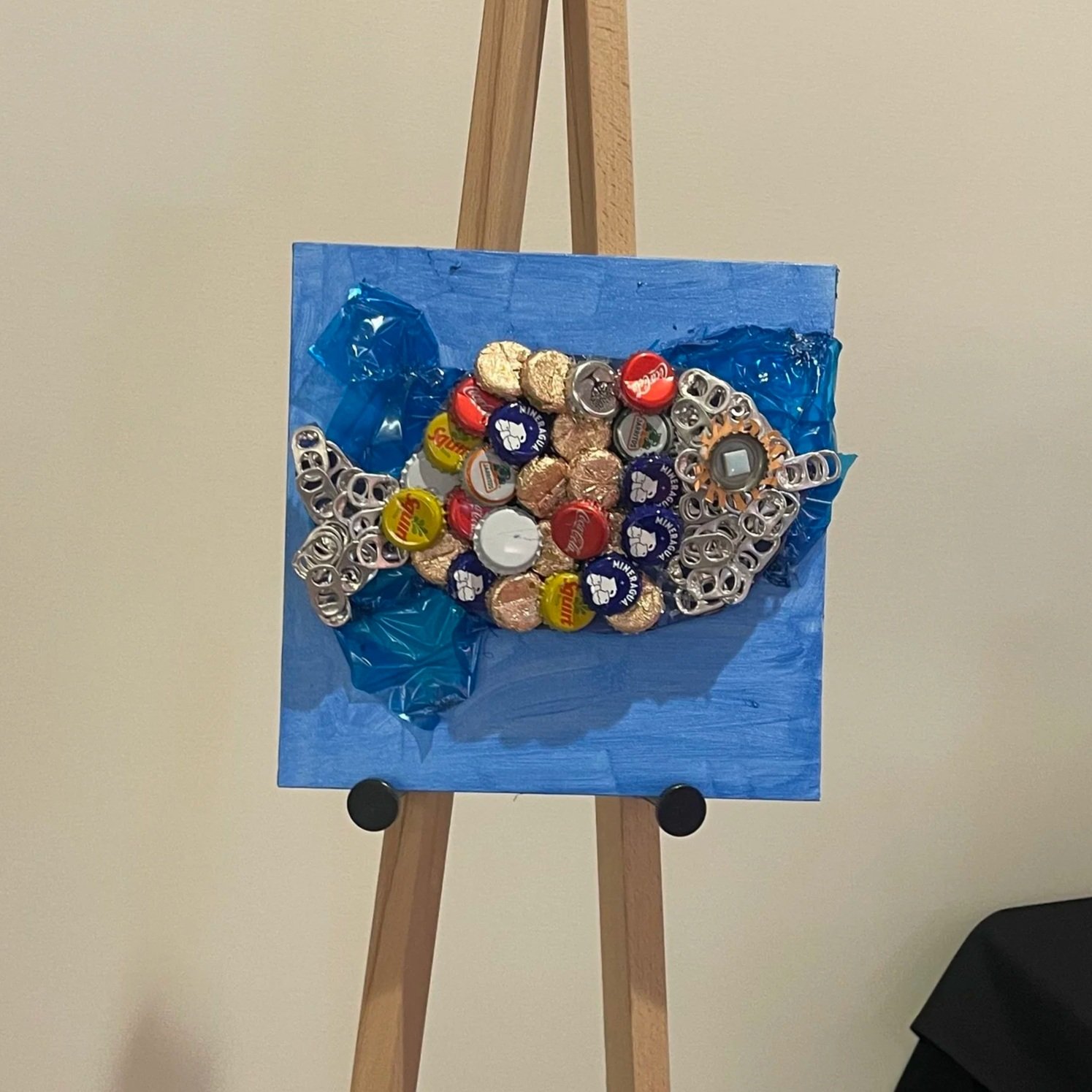
Throughout the venue, attendees were able to view artwork from local students. This year’s theme was “Waste to Wonder” and students took things that might seem like trash to others, and turned them into beautiful artwork. Thank you so much to our local art teachers who helped their students contribute to our art exhibit.
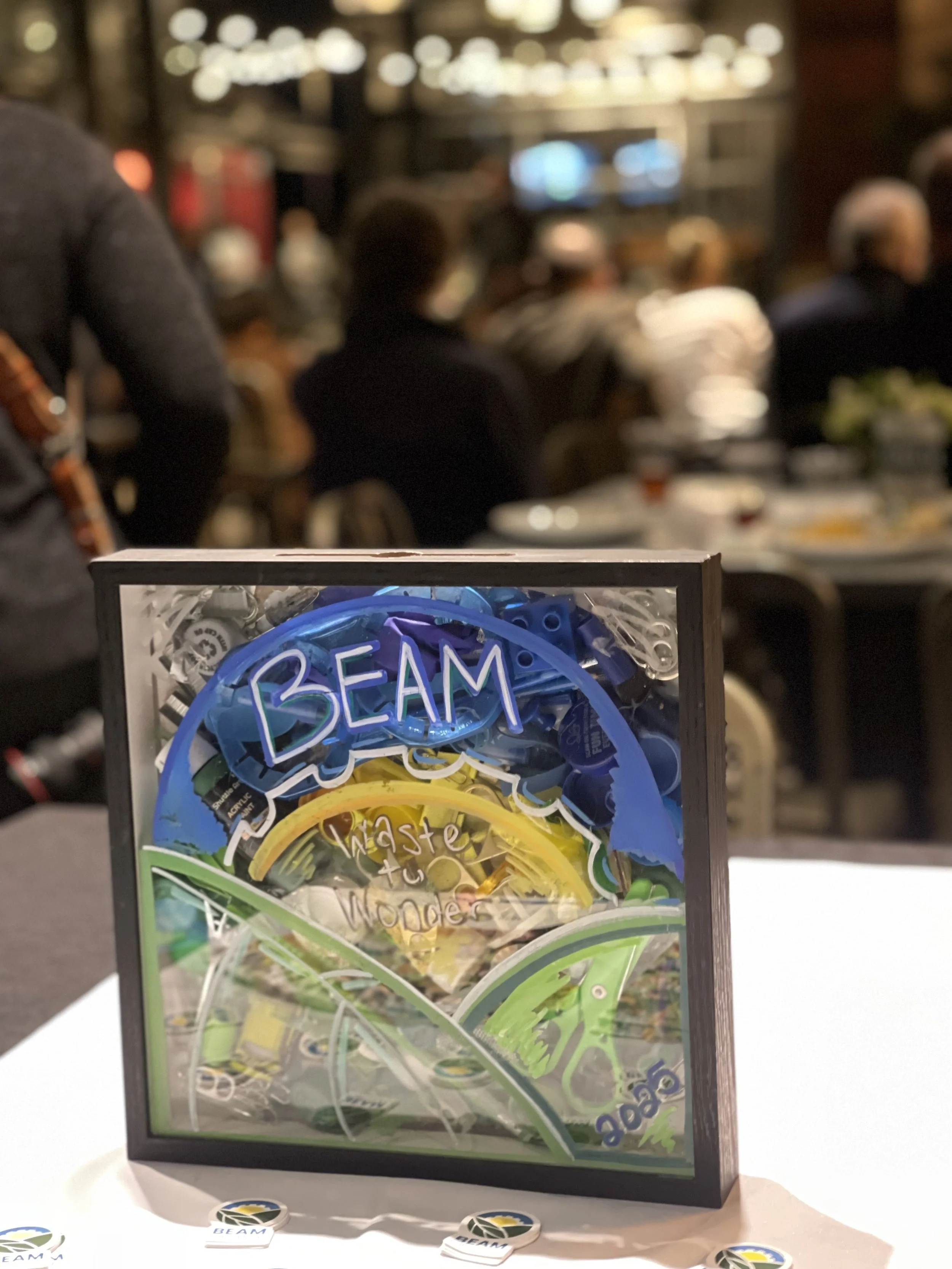
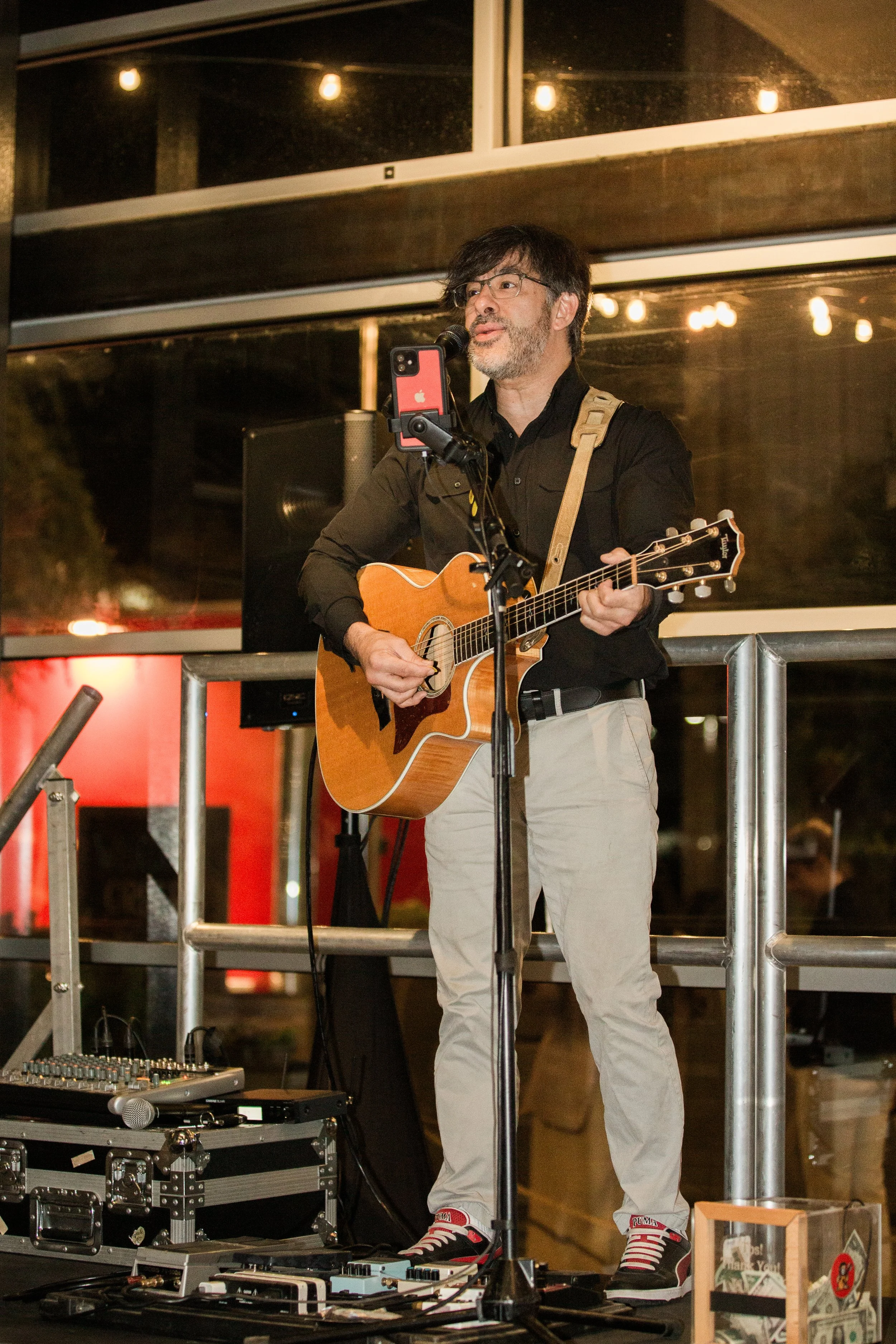
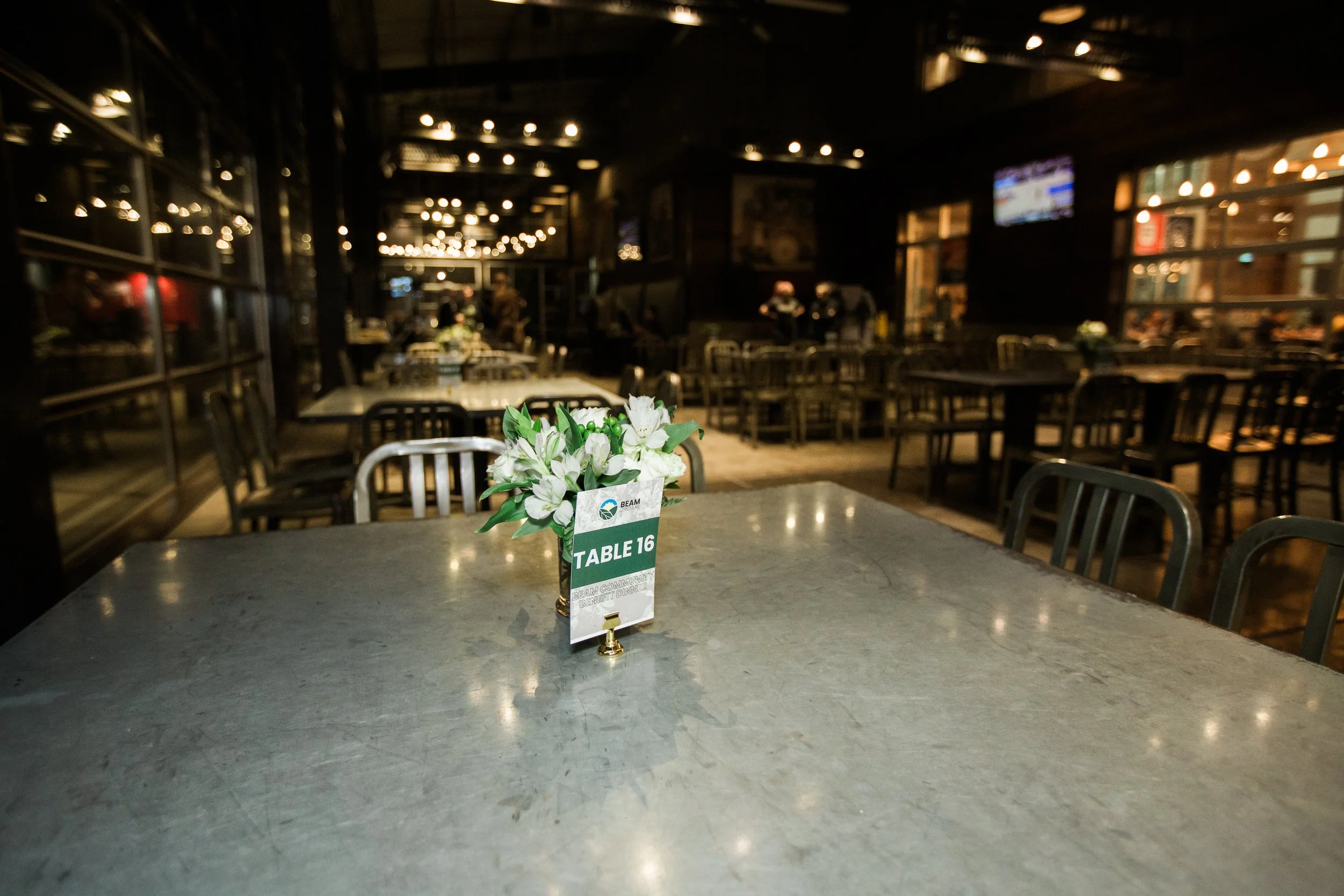
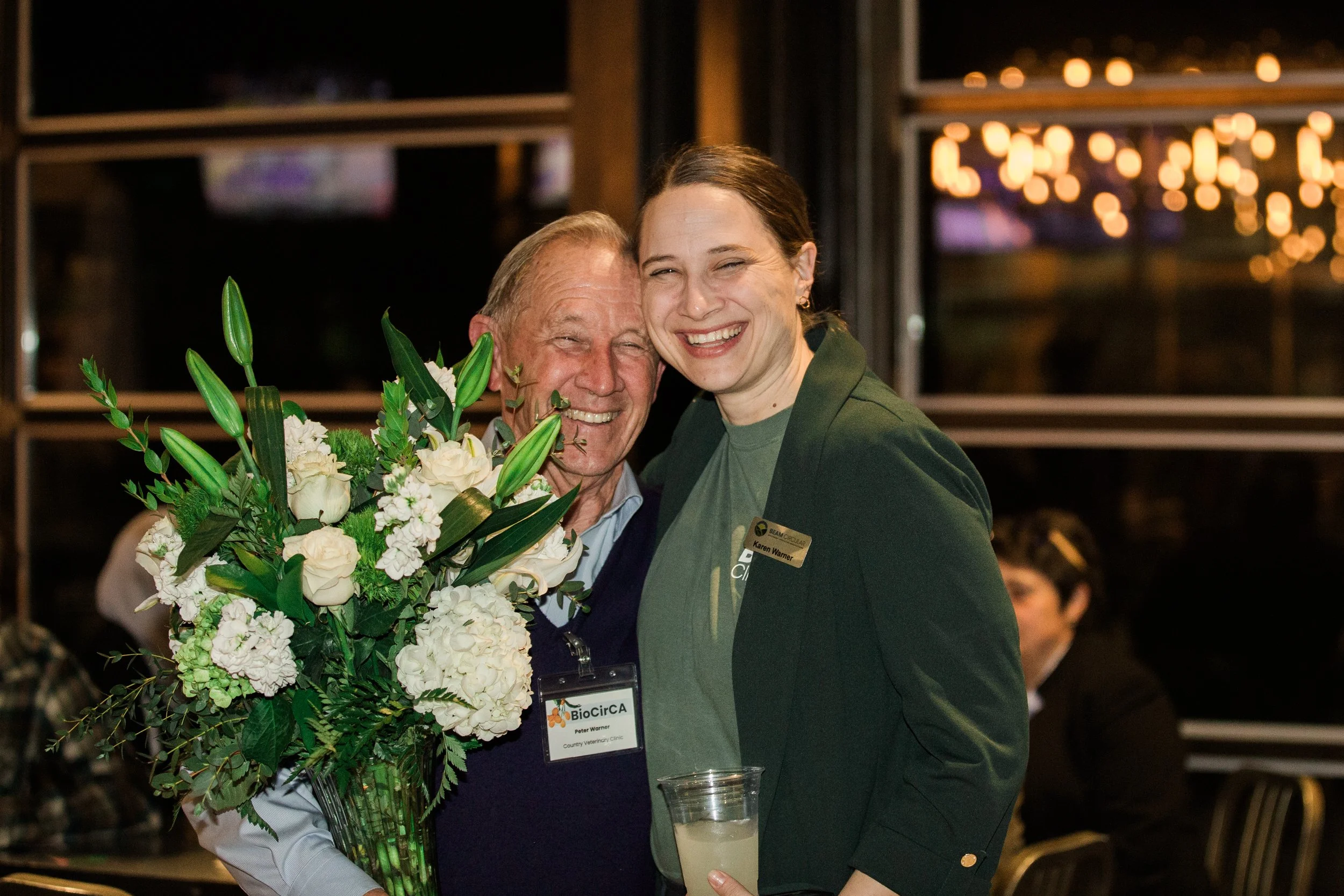
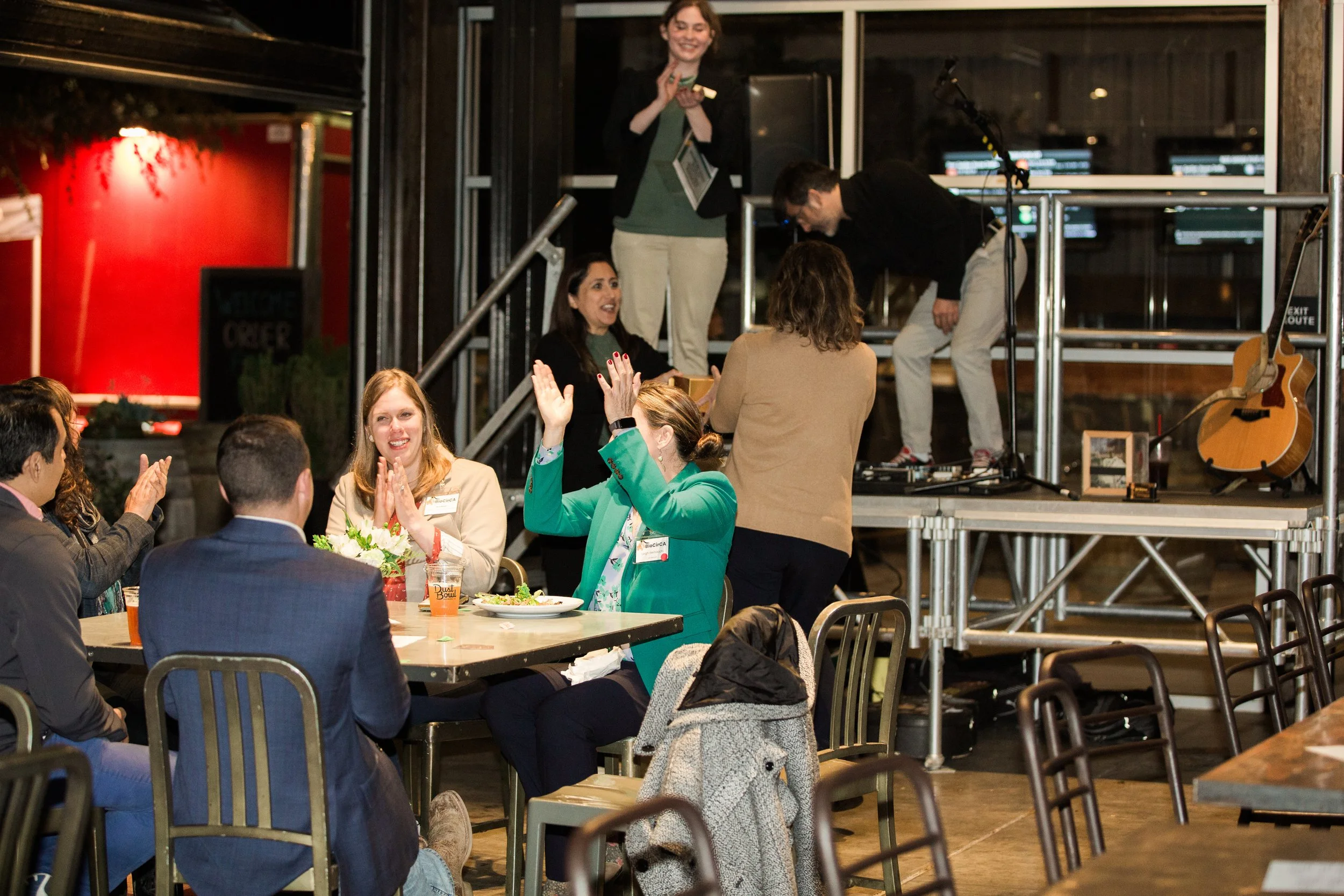
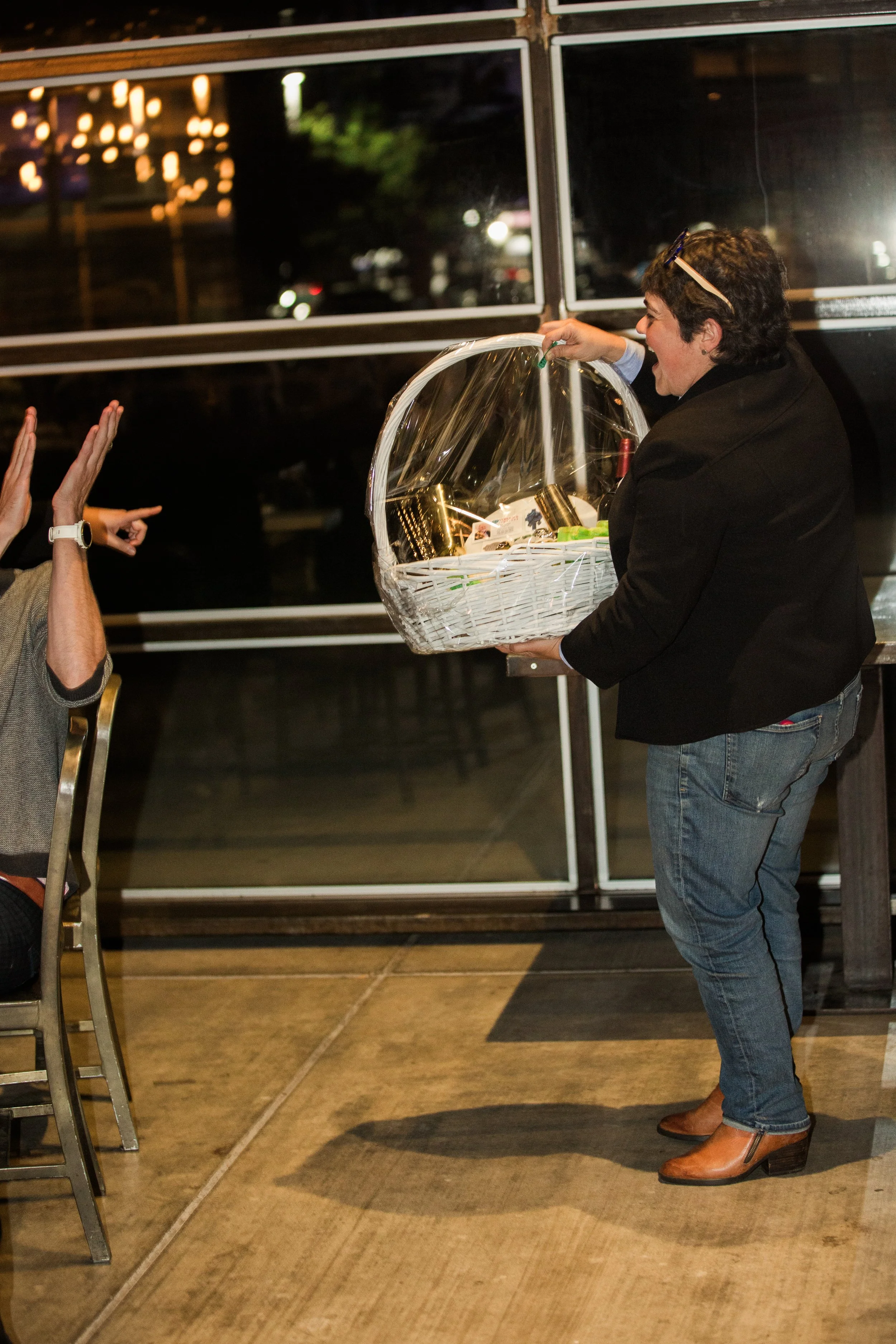
That evening, guests gathered for the BEAM Community Benefit Dinner, a celebration of local food, music, and collaboration. Proceeds from the event will support BEAM’s student and community programs. Thank you to everyone who donated, sponsored a table, and attended! Interested in making an impact? Donate here.
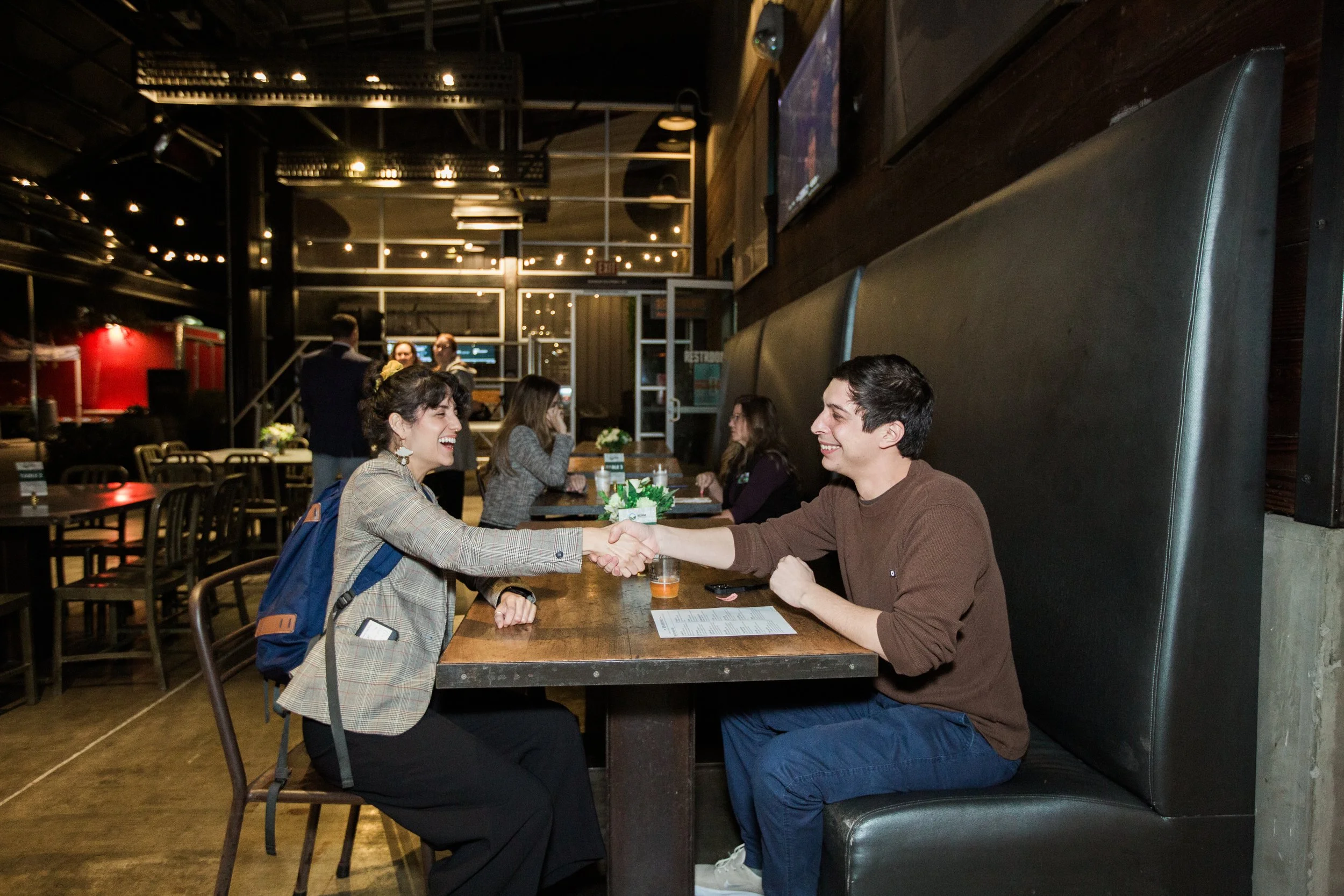
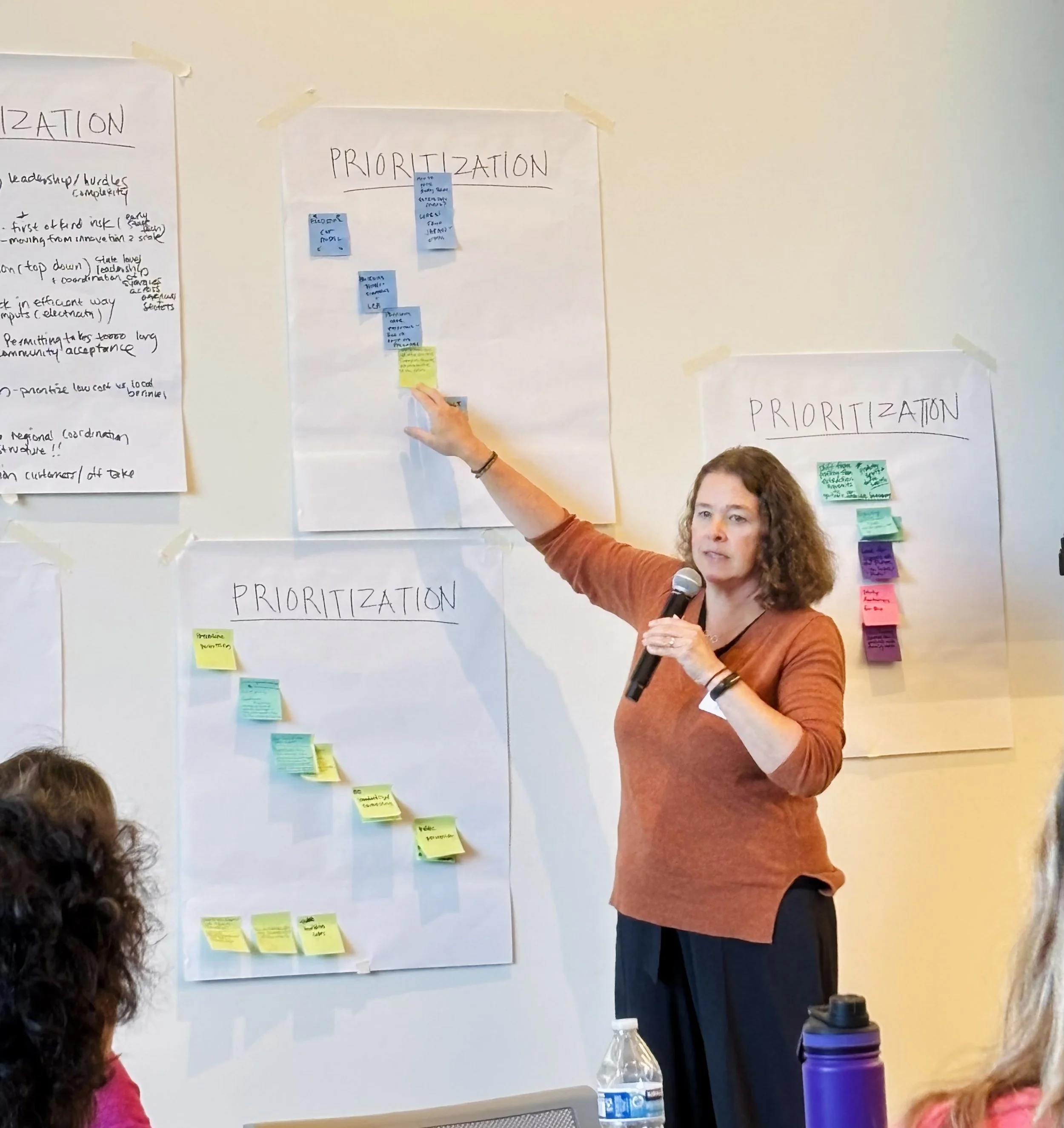
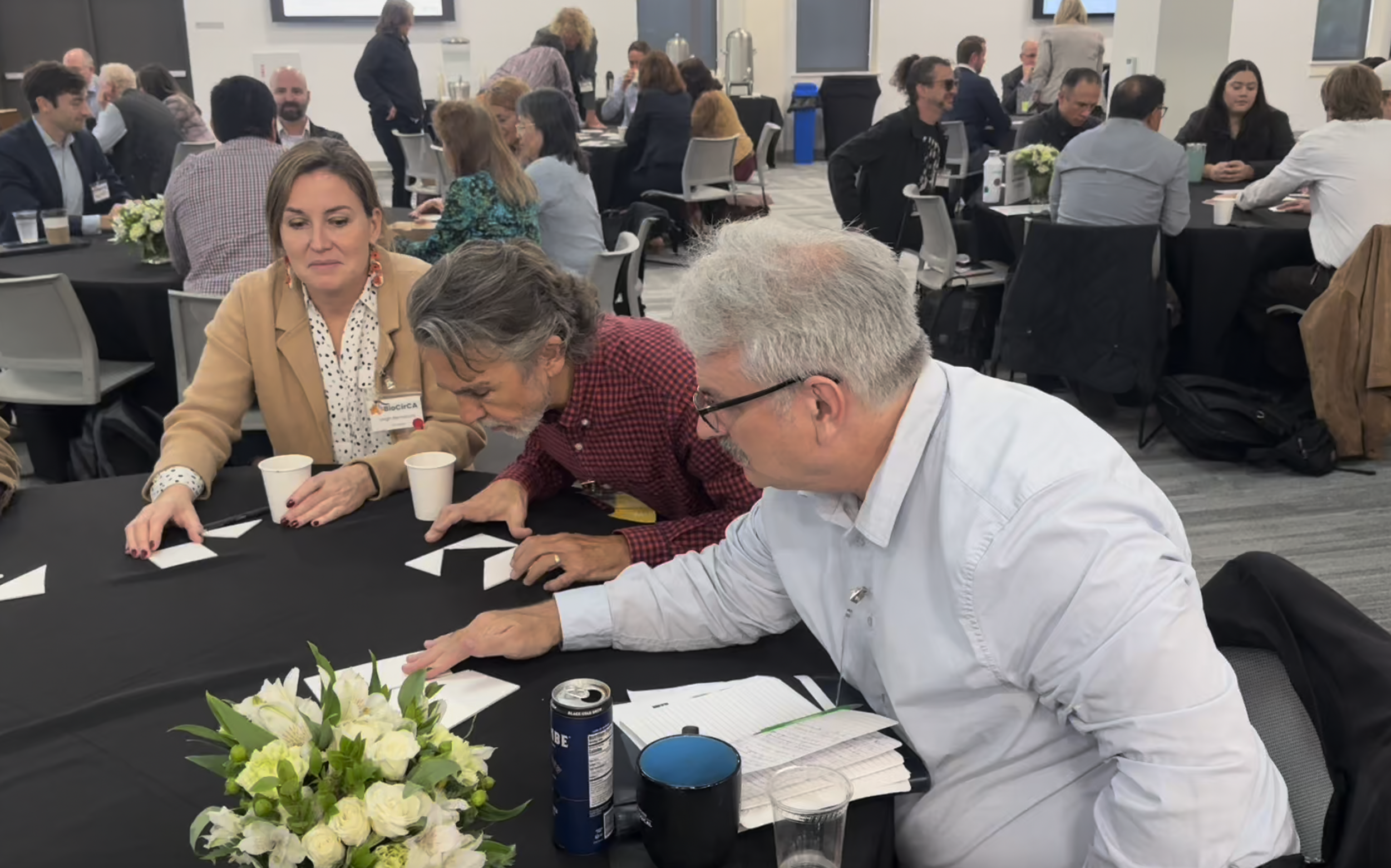
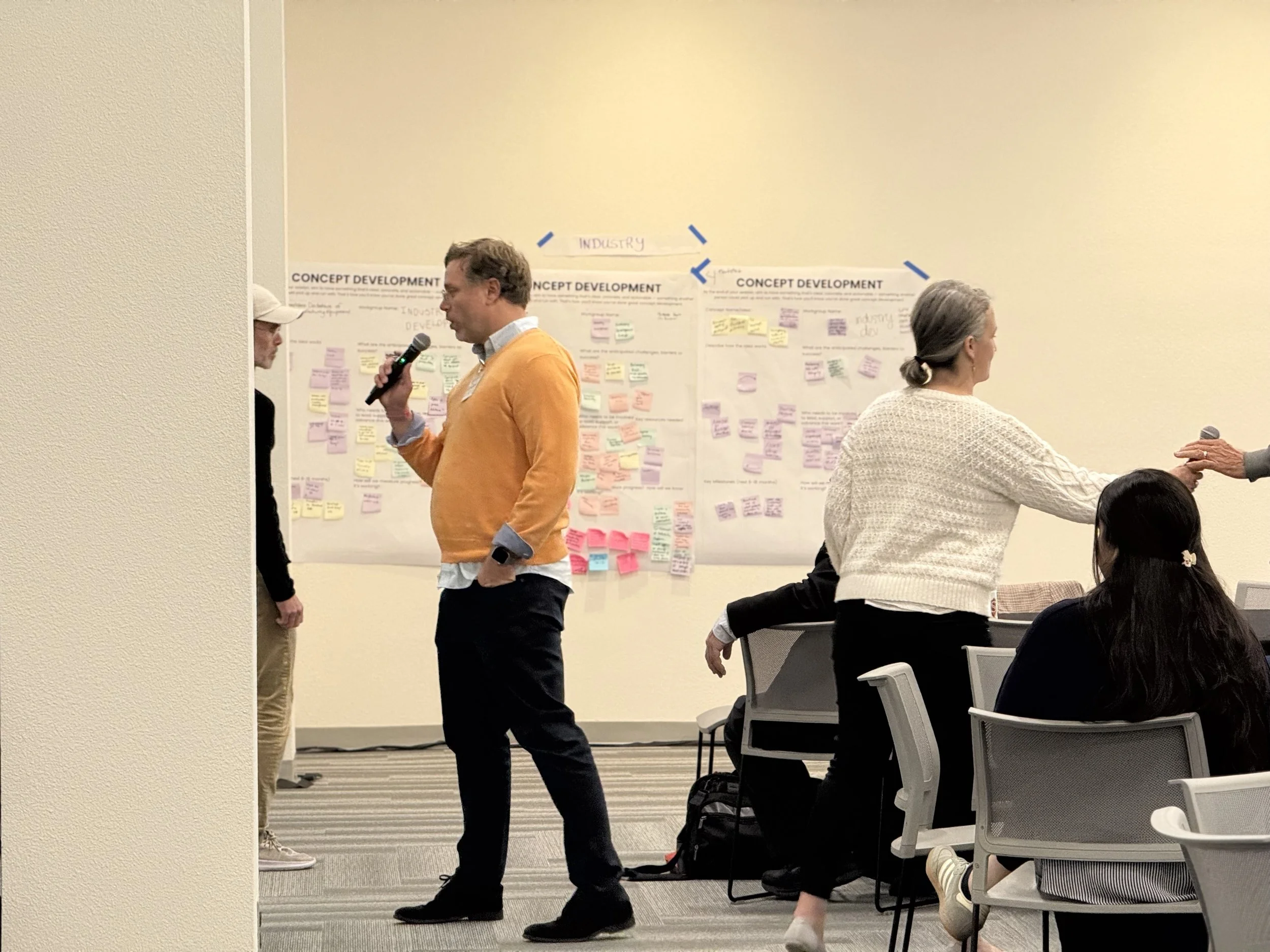
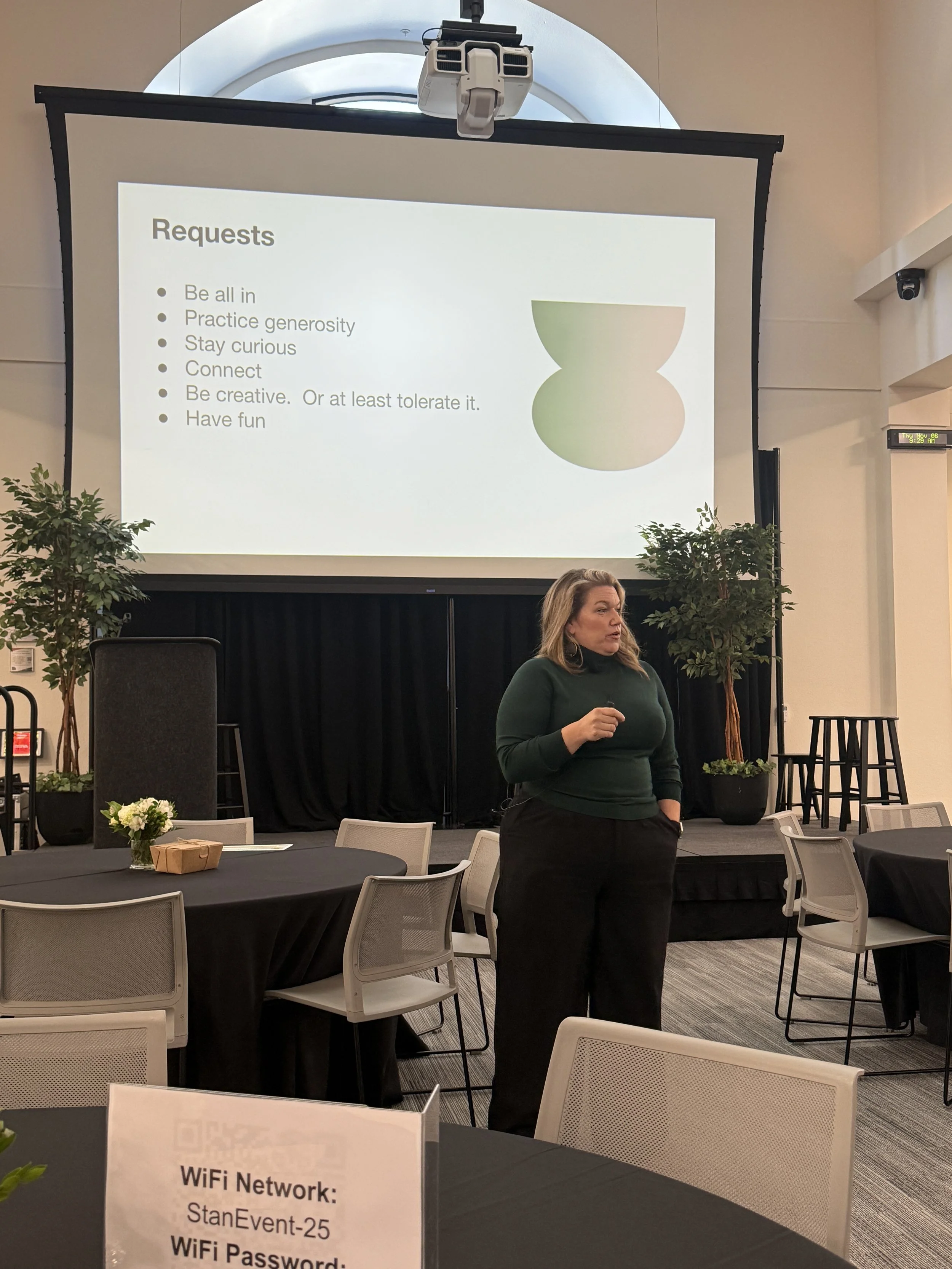
Day Two of the summit was dedicated to members of the Circular Bioeconomy Innovation (CBIO) Collaborative, who participated in collaborative working sessions focused on accelerating project development, workforce pathways, and regional innovation partnerships. Facilitated by Kate Trompetter, CEO and Founder of Connect For Collective, our partners developed concepts across four areas: Research & Development, Industry Development, Community, and Workforce Development. The concepts developed during the working sessions will be taken to CBIO Collaborative Steering Committees for refinement and incorporation into future planning and project opportunities.
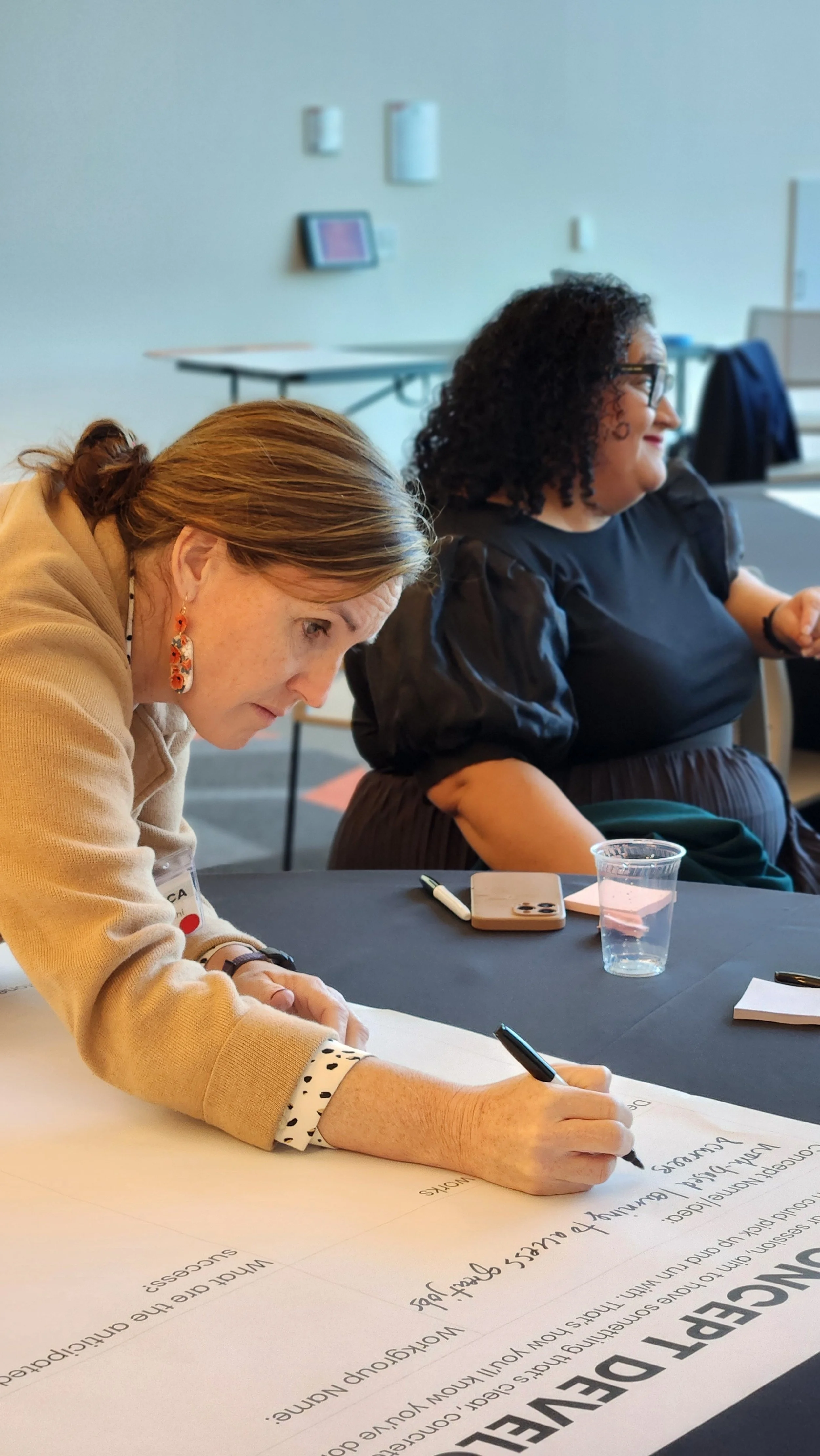
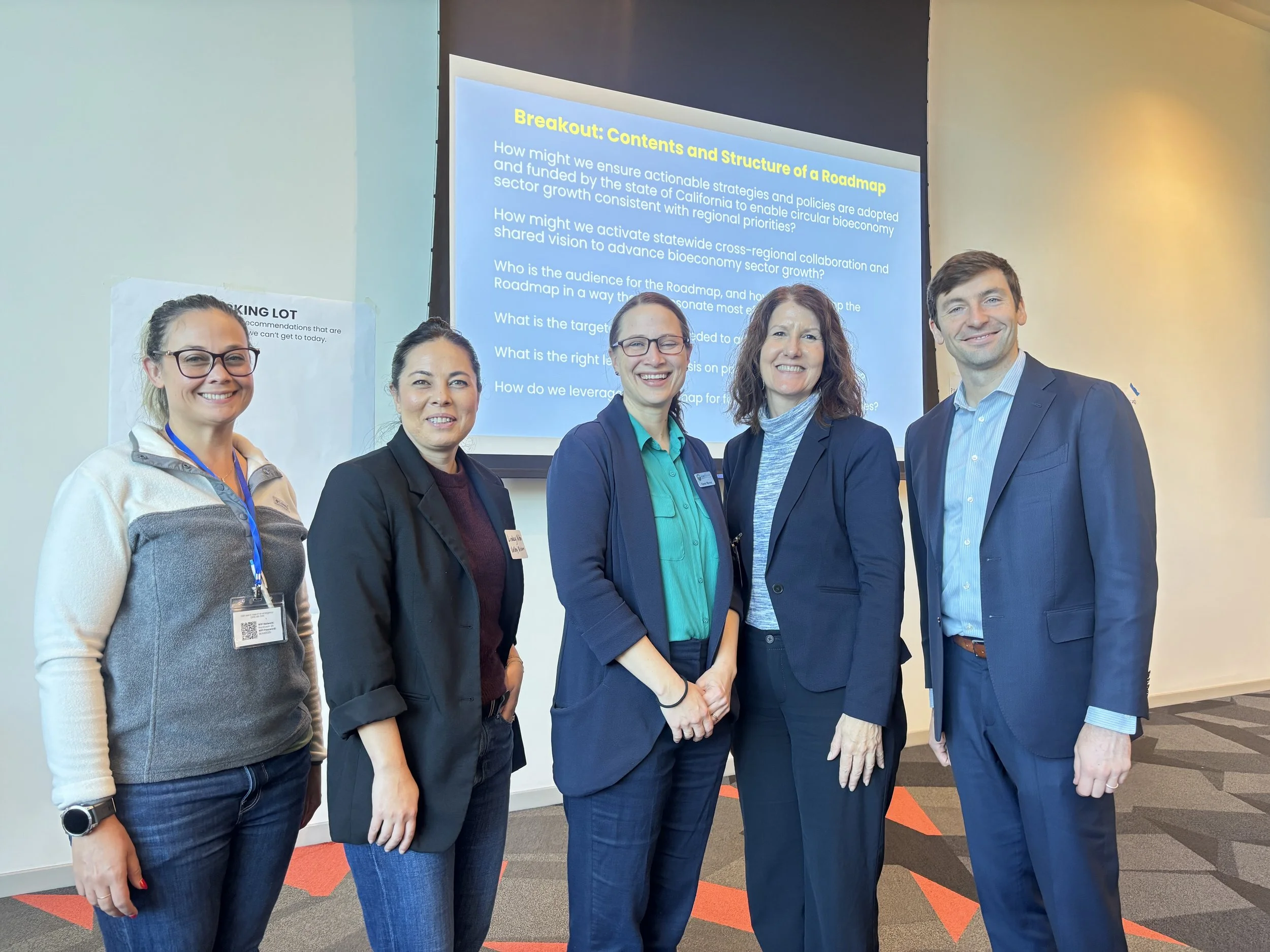
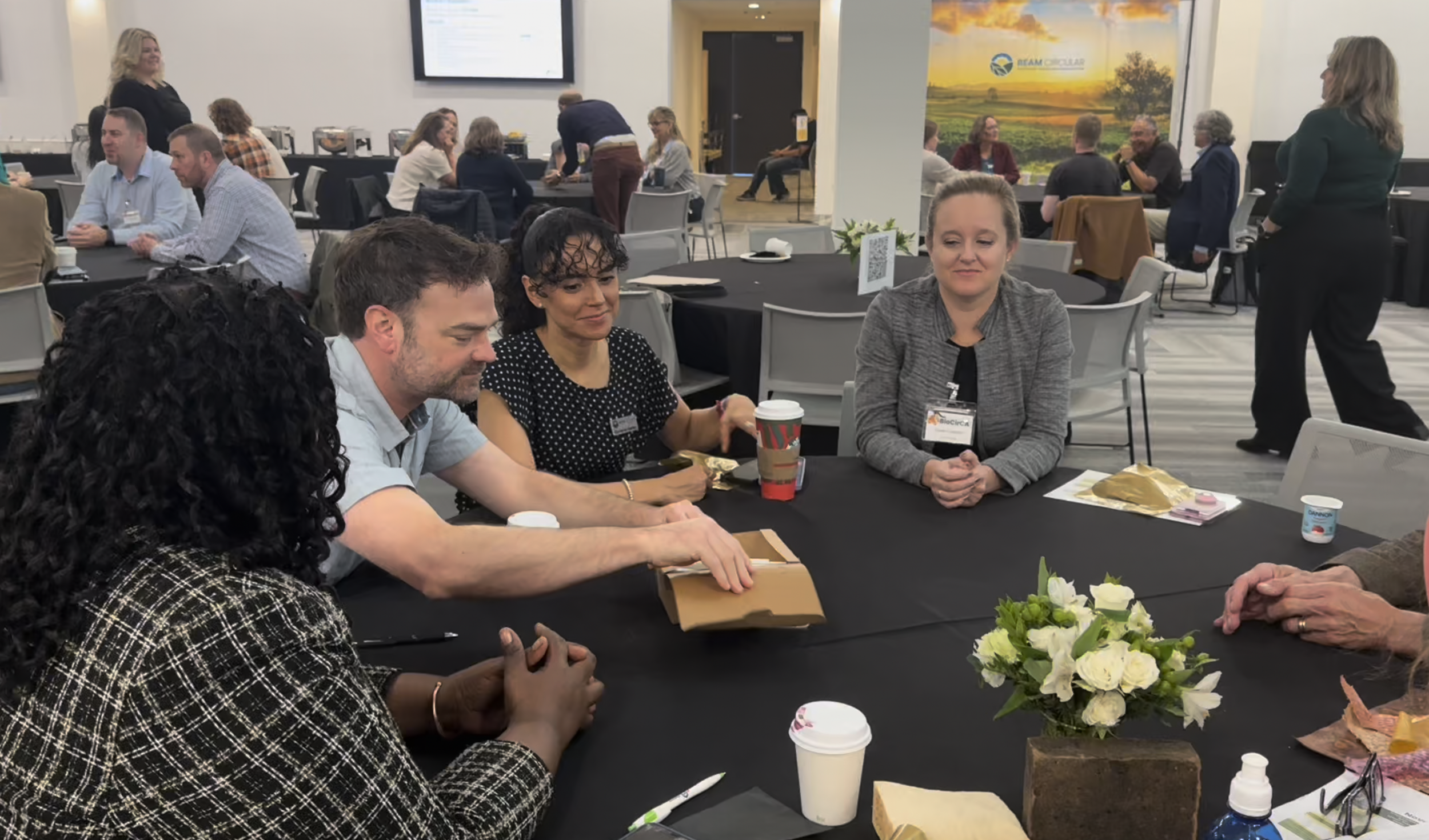
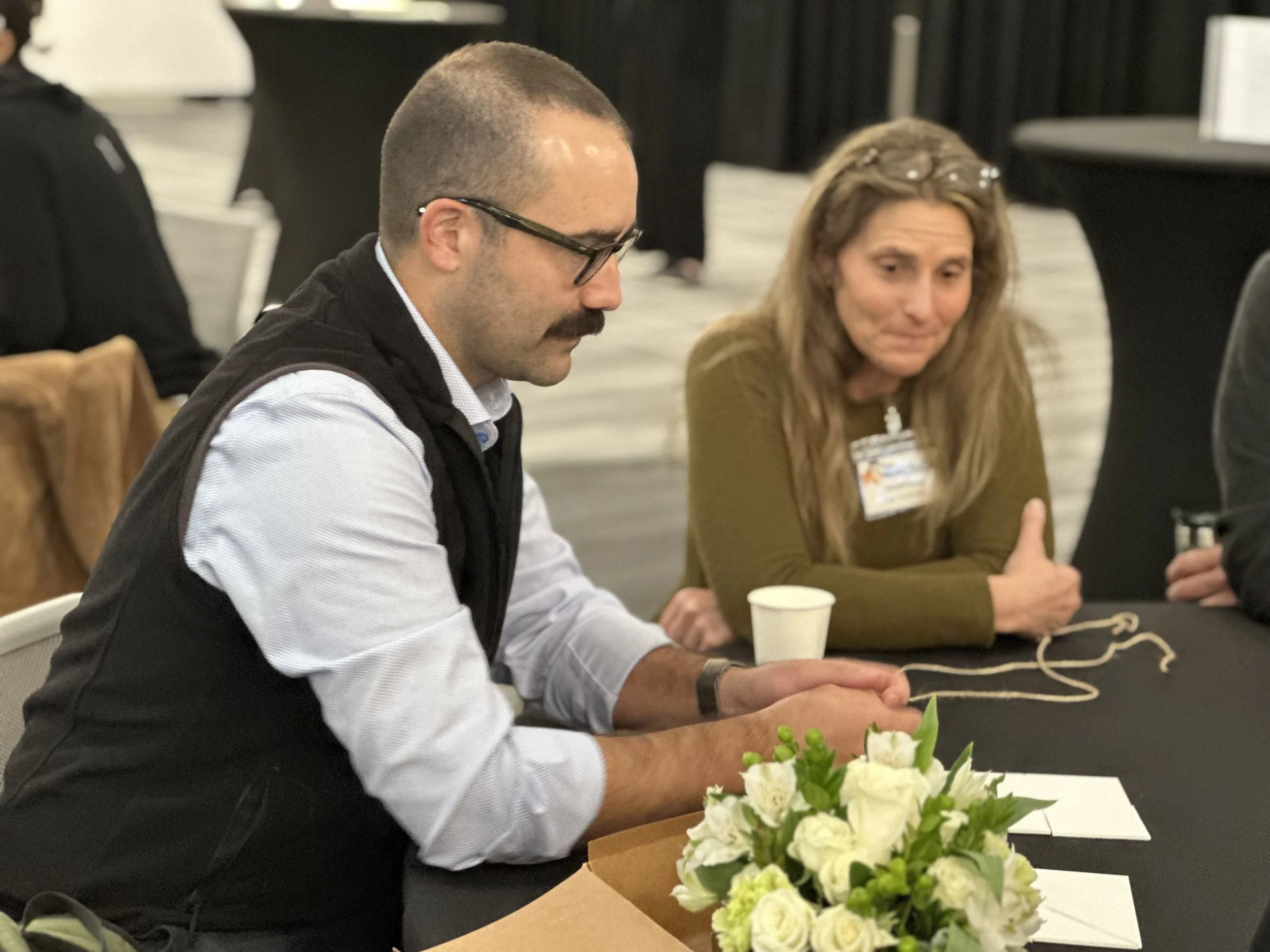
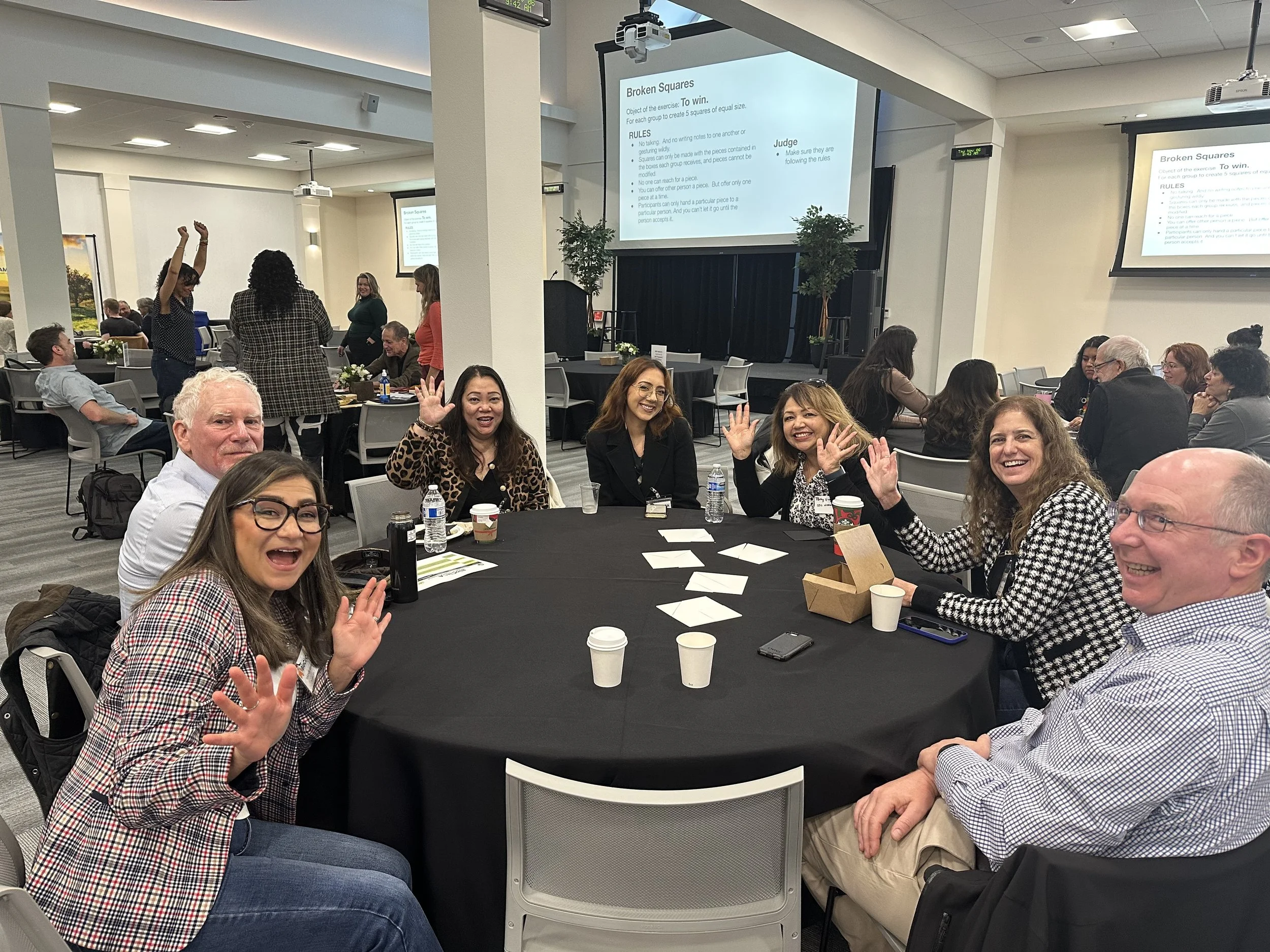
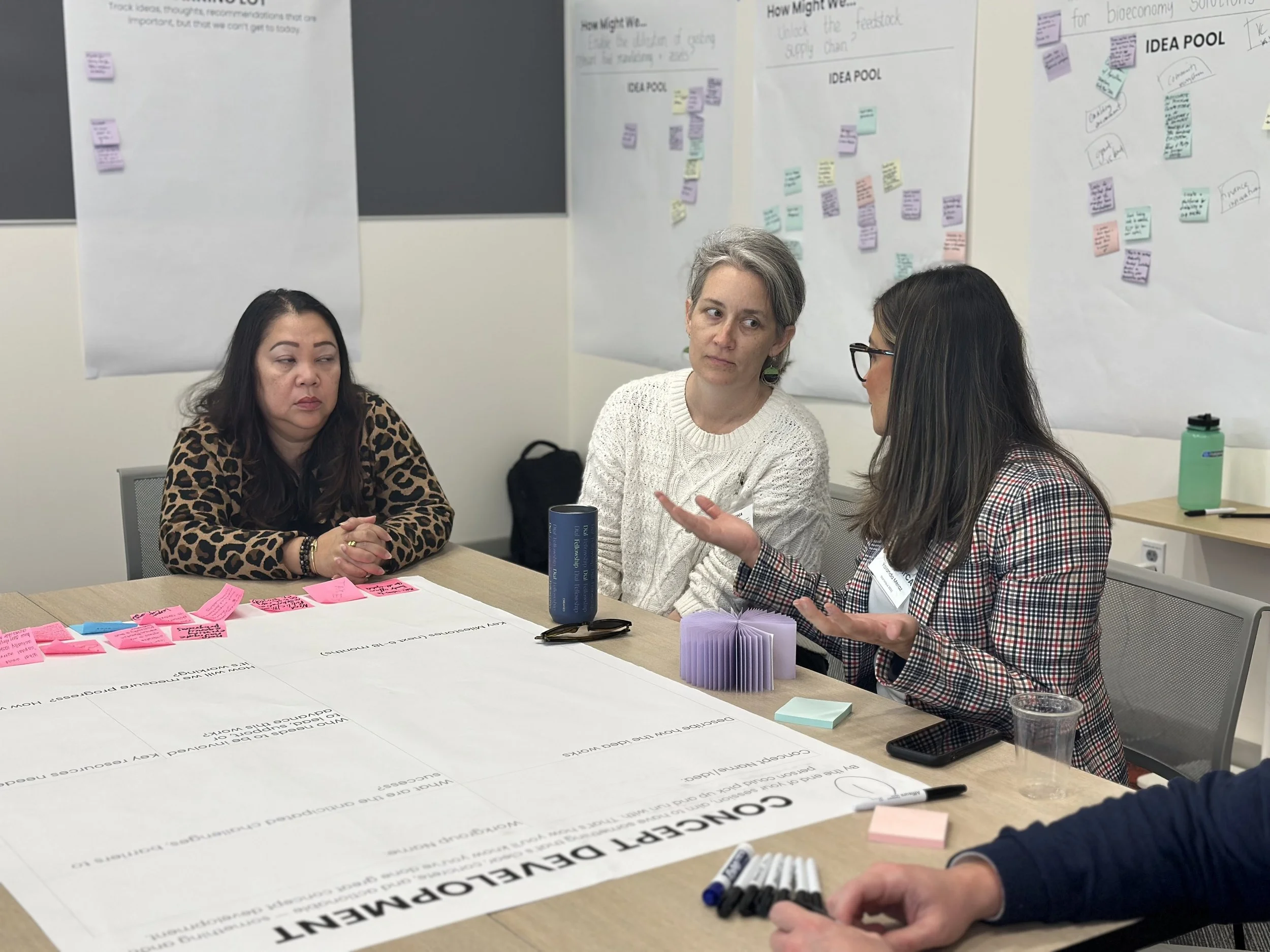
In addition, California Forward, joined us on the 6th to facilitate a special working session with collaborators from across the state exploring development of a California Bioeconomy Roadmap. We look forward to continuing to explore statewide collaboration efforts to advance policies, cross-regional partnership opportunities, and actionable strategies for statewide bioeconomy advancement.
Sustainability Highlights:
Food: The BEAM Circular Events Team worked hard to minimize food waste throughout the event with careful ordering estimates, offering upcycled and non-perishable snacks, and by ensuring that any uneaten food found a home. On day one, leftover sandwiches and fruit were donated to student workers and to local community members via 5678 Dance Studio. On day two, we packaged up our buffet-style food from breakfast and lunch and donated it to Stan State student staff. Our Events Team will continue to (a) order thoughtfully, and (b) donate leftovers whenever possible.
Printed materials: In all events, we intentionally limit printed materials to reduce waste. We prioritize digital alternatives to printed handouts, and use reusable posters for key information. At the same time, we recognize that not everyone has the same access to digital tools, so we keep small numbers of printed versions of key materials on hand to ensure our events remain inclusive and accessible.
Tote bags: The tote bags you had the opportunity to purchase as an add-on at registration? They’re made in the USA from 100% recycled water bottles! Want one? Reach out to the team - they’re great for a quick trip to the grocery store.
Thank you!
Thank you to all of the attendees who joined as for BioCirCA 2025, and to the amazing speakers, student presenters, sponsors, and event volunteers who donated their time and efforts to make BioCirCA 2025 a success. We are excited to build California’s circular bioeconomy alongside you. Together, we can create a more resilient, prosperous, and sustainable future for all.
