BEAM Circular Hosts Bipartisan Congressional National Security Commission on Emerging Biotechnology’s Visit to California’s Central Valley
BEAM Circular, in partnership with the University of California, Merced, hosted the National Security Commission on Emerging Biotechnology this week for a high-level visit focused on the role that California’s agricultural regions can play in shaping the future of America’s bioeconomy. The Commission was convened by Congress to assess how emerging biotechnology will affect U.S. national security, economic competitiveness, and critical sectors — including defense, supply chains, health, agriculture, energy, and manufacturing.
The visit was the twelfth stop on the Commission’s Biotech Across America Roadshow designed to gather on-the-ground insights from communities advancing biotechnology research, innovation, workforce development, and industry growth. The Roadshow follows release of the Commission’s April 2025 Charting the Future of Biotechnology report, highlighting the need to prioritize biotechnology at the national level, mobilize the private sector scale U.S. products, build the biotechnology workforce, and lean into strategic partnerships.
California’s North San Joaquin Valley represents one of the most abundant and diverse biomass landscapes in the United States. During the visit, BEAM Circular and UC Merced emphasized the enormous potential of California’s specialty crop innovation, agricultural byproducts, food processing waste, and forestry residues for production of critical materials and high value products that are key for domestic supply chain resilience and national security.
“We were honored to host the Commission and to show firsthand how California’s agricultural regions can propel the future of American biomanufacturing,” said Karen Warner, CEO of BEAM Circular. “Our specialty crops produce diverse biomass that, when paired with the right technologies, can create new value streams, reduce costs for farmers, and support resilient manufacturing supply chains. California agriculture is innovative and essential to America’s leadership and long-term competitiveness in advancing critical biotechnologies.”
“BEAM Circular is fulfilling a critical role in strengthening the Central Valley’s biotech ecosystem and putting many of the NSCEB’s federal policy goals into practice at the regional level. This model of facilitating collaboration among leaders from the biotech industry, K-12 and higher education systems, farming community, and manufacturing sector adds up to a biotech industry that is strong and agile enough to benefit the region well into the future,” said Commission Vice Chair Michelle Rozo.
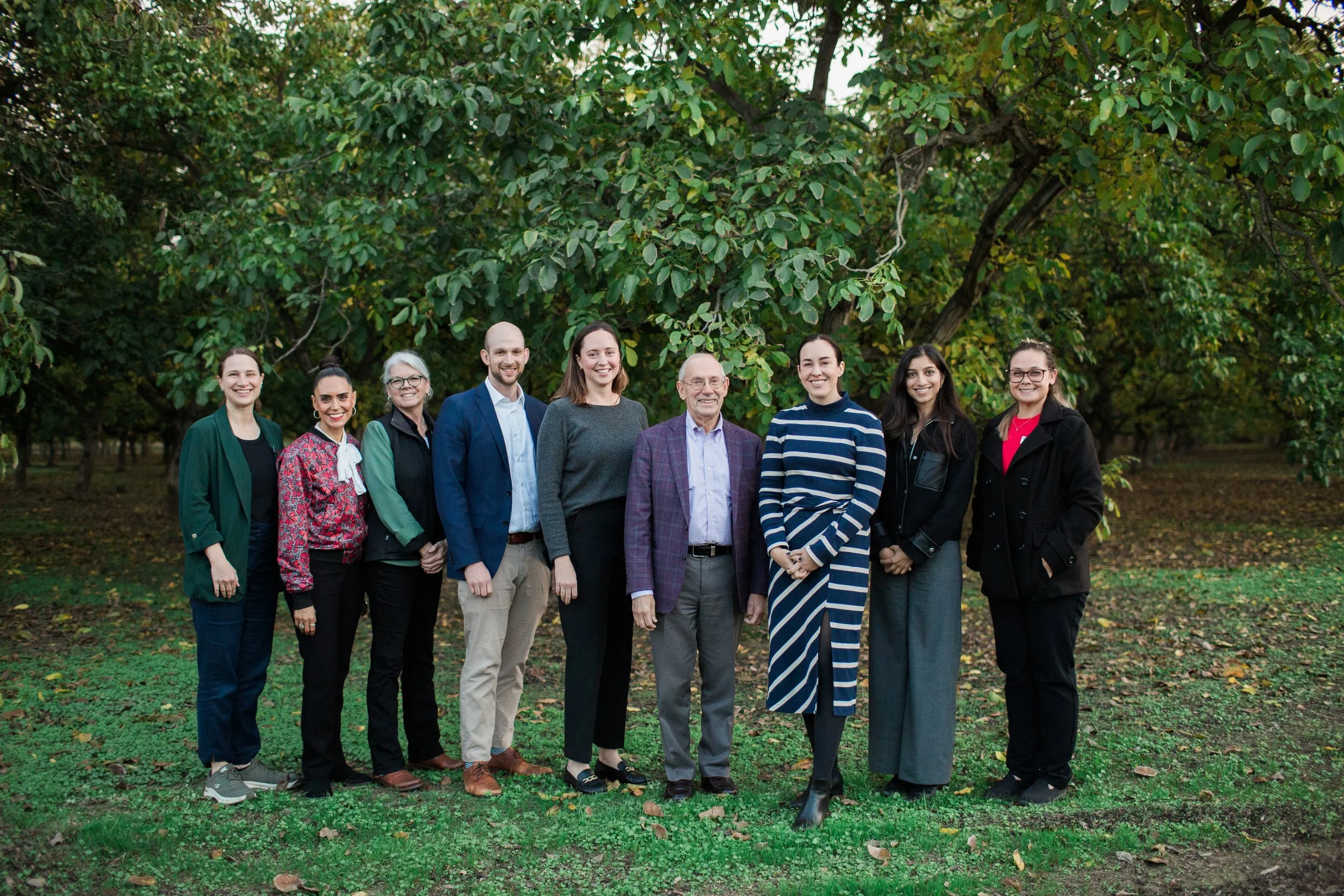
Over the course of the day, the Commission made multiple stops in Merced and Stanislaus Counties for tours and presentations by a wide variety of regional bioeconomy stakeholders, including at UC Merced, BEAM Circular headquarters in Modesto, VOLT Institute, a stop at a local walnut orchard, and concluding at Flory Industries in Salida for a demonstration with Caribou Biofuels.
Innovation at UC Merced
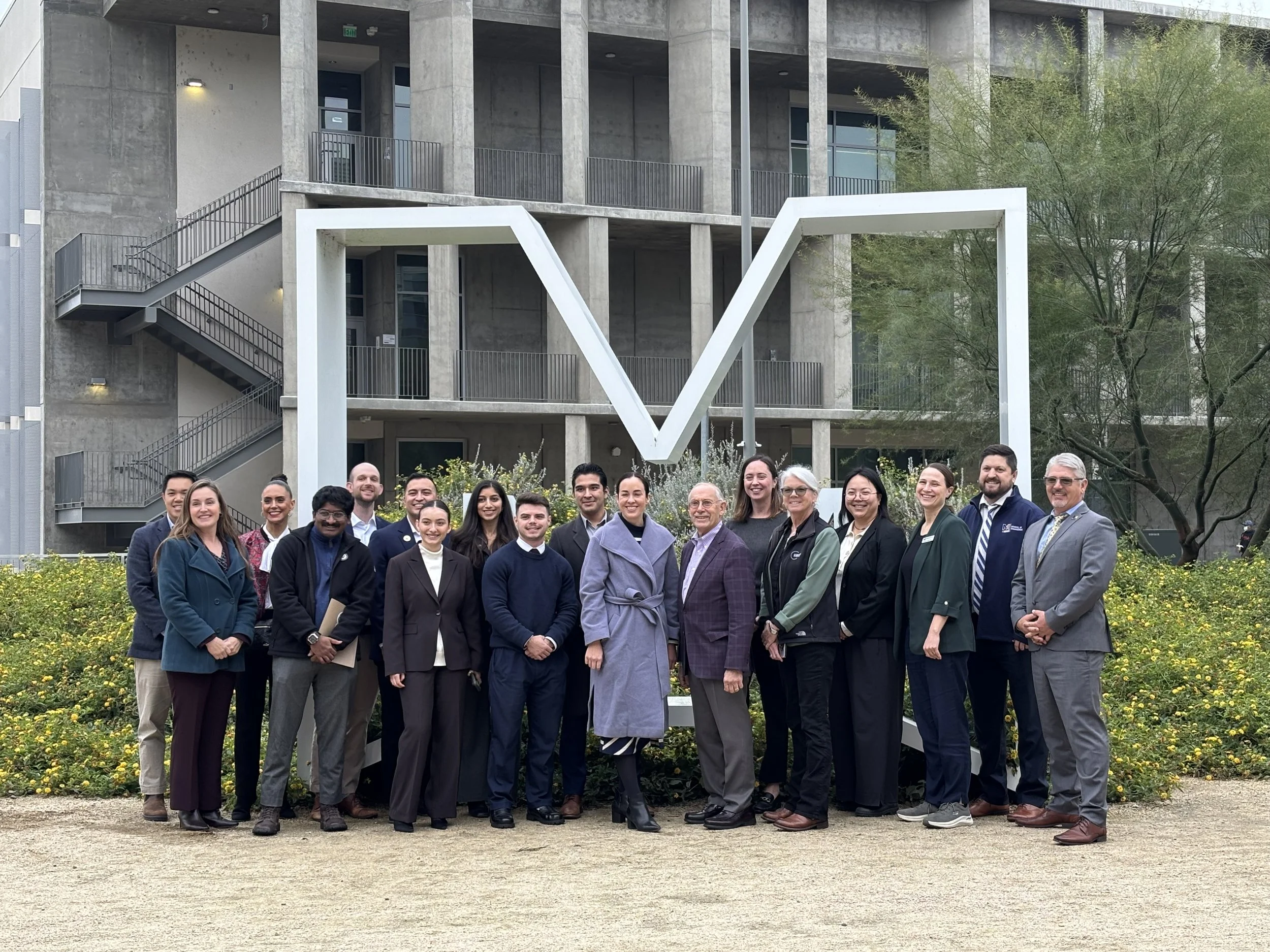
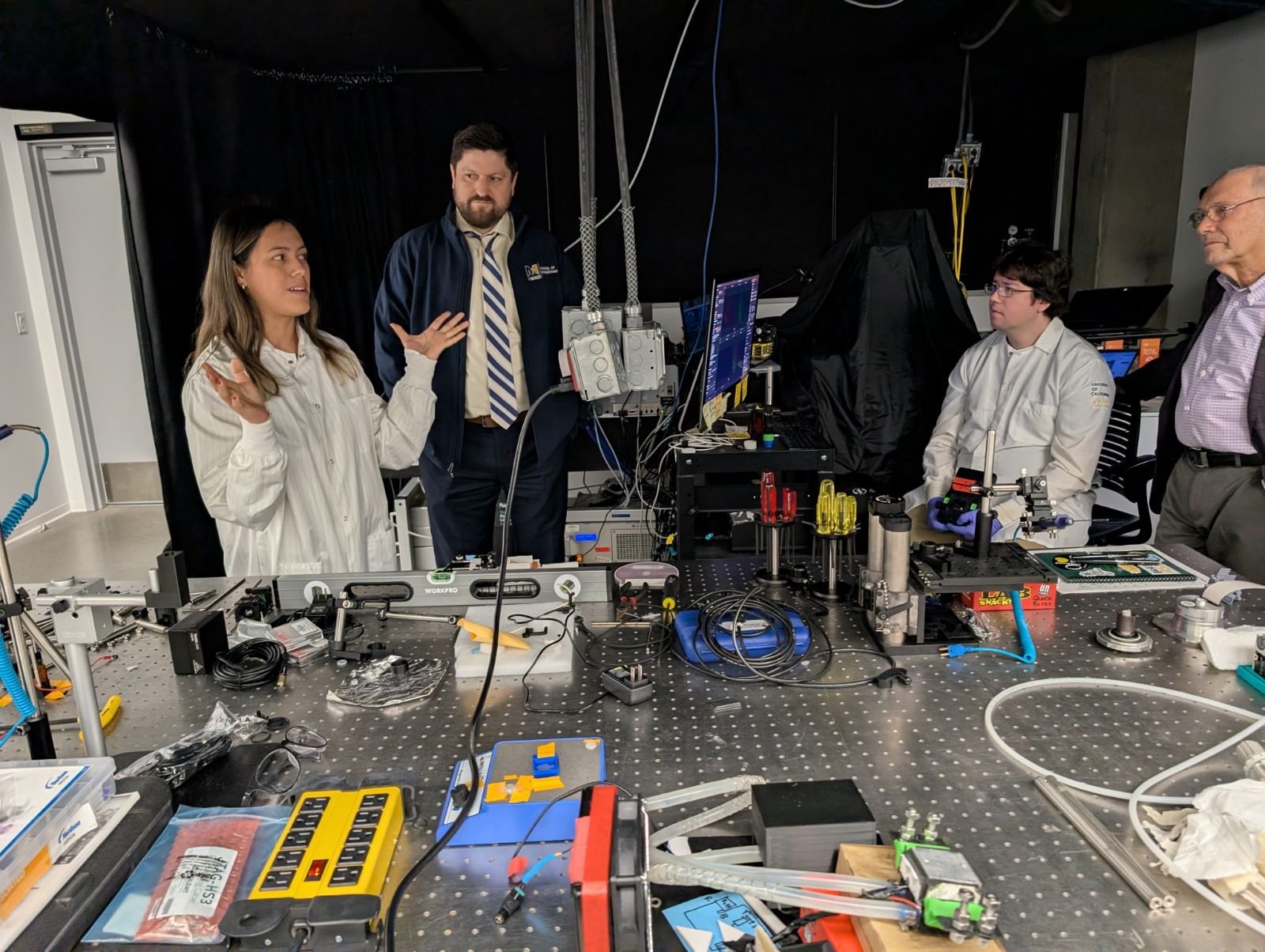
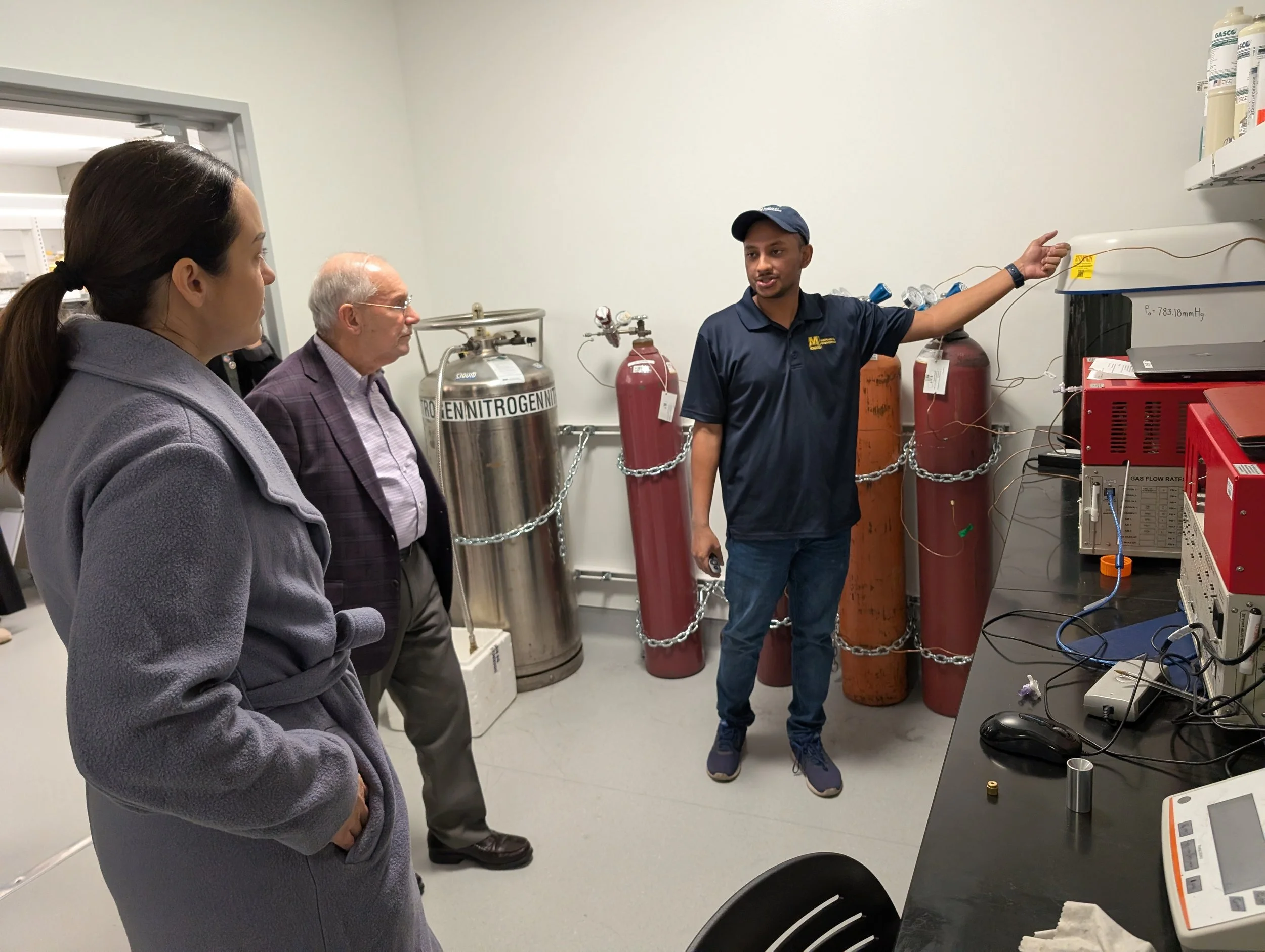
The program started at UC Merced where faculty and students showcased research, innovation and workforce development efforts underway. Dr. Victor Muñoz, Professor of Bioengineering, shared how UC Merced’s Center for Cellular and Biomolecular Machines, which is funded by the National Science Foundation, is advancing cutting-edge research to create “biological machines” that solve critical health, food, and security challenges. Dr. Rebecca Ryals, Presidential Chair of Climate Change and Professor of Agroecology, discussed her lab’s role in the joint BioCircular Valley project, and emphasized the key role of “soil security” in national security. Participants visited two active labs, including Dr. Joel Spencer’s lab for Advanced Microscopy and Dr. Gerardo Diaz’s Mechanical Engineering lab, where a team of graduate students demonstrated work underway to use diverse biomass resources to produce energy and biochar, which can be used to meet a variety of industrial, agricultural and water quality needs.
Dr. Joshua Viers, Associate Vice Chancellor for Interdisciplinary Research and Strategic Initiatives and Professor of Civil and Environmental Engineering at UC Merced said, “UC Merced is uniquely positioned to help shape the nation’s emerging bioeconomy. Our research, our students, and our partnerships are rooted in the realities of California agriculture, where diverse biomass resources present both challenges and extraordinary opportunities. The Commission’s visit underscores the need for technologies and investments that match this diversity and recognize the North San Joaquin Valley as a critical innovation engine for the country.”
Workforce and Economic Development
The Commission also engaged with state and regional workforce and economic development partners, including presentations by Kate Gordon, CEO of CA FWD, Erick Serrato, Executive Director of North Valley THRIVE, and Stanislaus County Supervisor Terry Withrow. These discussions emphasized the bioeconomy’s unique fit with local and state assets, and opportunities for good job creation.
In Modesto, the Commission learned about local biotechnology education and workforce development programs underway to build a skilled regional talent pipeline for future jobs in biomanufacturing. Dr. Laurie Weiss, Dean School of Science, Engineering & Mathematics And School of Business & Computing, presented the multiple efforts that have been launched at Modesto Junior College to expand opportunities for students to engage in real-world research and industry experience. Commissioners heard directly from two local students about how these and other local educational programs supported by BEAM Circular have influenced their education and career plans.
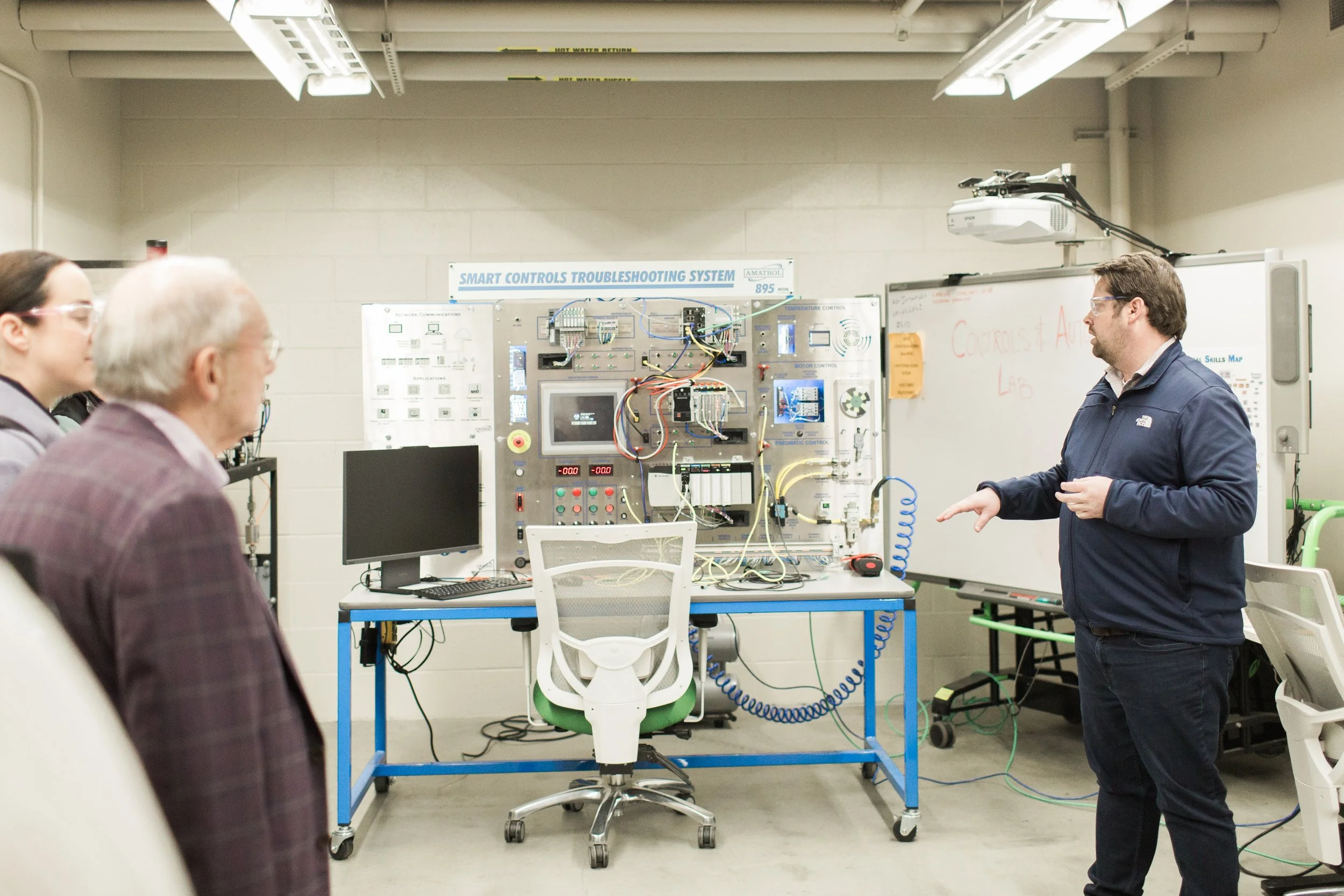
The group also toured VOLT Institute, a vocational institute committed to advancing career pathways through extensive education and hands-on workforce skill development.
Agricultural Industry Perspectives
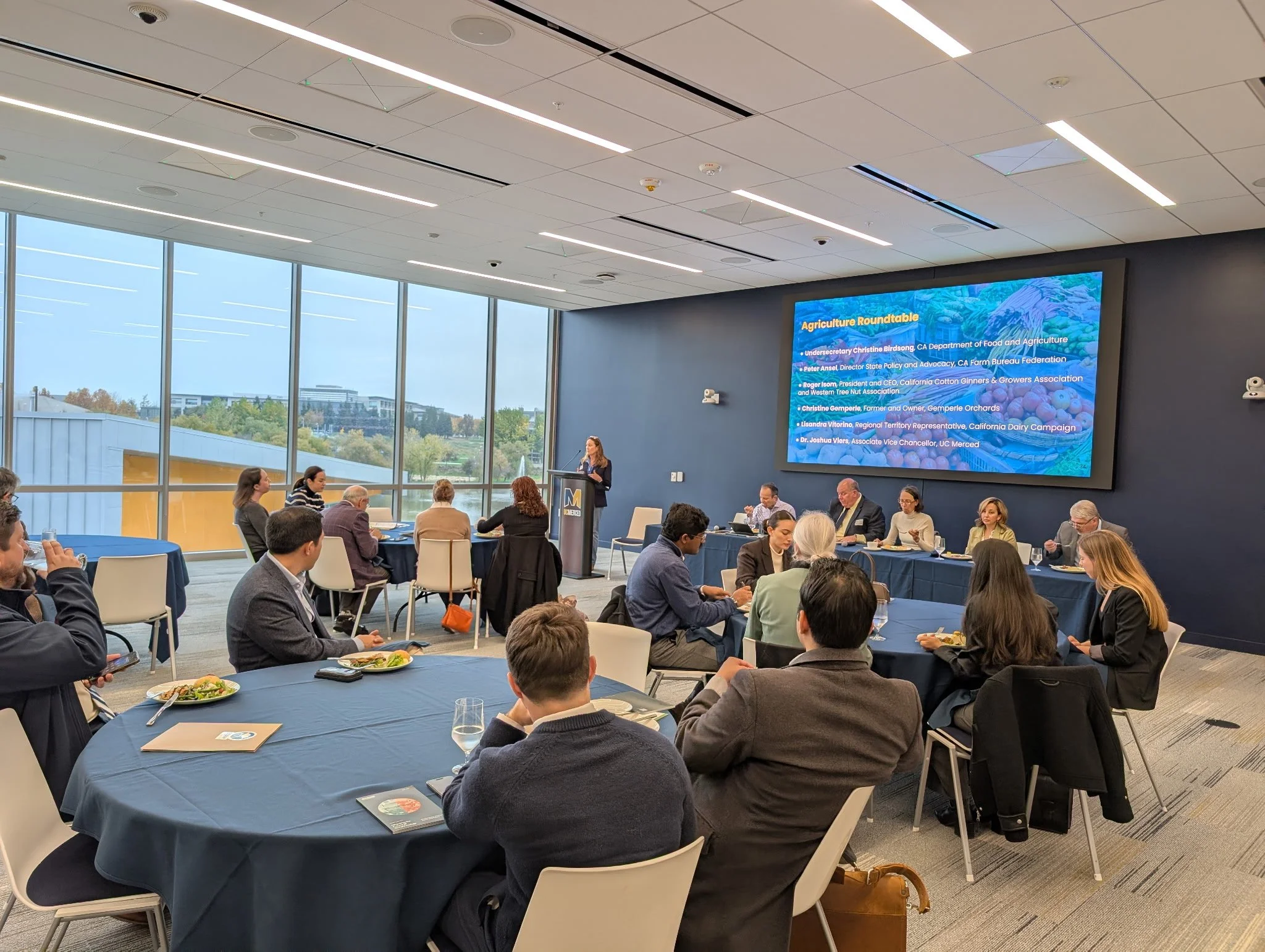
The Commission emphasized throughout the day that “national security includes food security.” A highlight of the tour was a roundtable discussion over lunch with farmers and agricultural industry leaders, who underscored the urgency of aligning biotechnology advancements with domestic producer needs. Speakers included Undersecretary Christine Birdsong from the CA Department of Food and Agriculture; Peter Ansel, Director State Policy and Advocacy, CA Farm Bureau Federation; Roger Isom, President and CEO, California Cotton Ginners & Growers Association and Western Tree Nut Association; Christine Gemperle, Farmer and Owner, Gemperle Orchards; Lisandra Vitorino, local dairy farmer and Regional Territory Representative for the California Dairy Campaign.
Participants stressed that technologies enabling high-value utilization of orchard residues, nut shells, grape pomace, dairy byproducts, and other specialty crop materials would support grower profitability, job creation, and national supply chain resilience. Speakers also highlighted that regulatory streamlining and significant financial investments are required to commercialize and scale these opportunities, and to ensure that smaller farmers can participate in emerging industry opportunities.
California Department of Food and Agriculture Undersecretary Christine Birdsong said, “California’s agricultural regions have long been leaders in innovation, resilience, and stewardship. The Commission’s visit highlights how our state’s diverse crops and biomass resources can strengthen the nation’s emerging bioeconomy. By supporting technologies that create new value from agricultural byproducts, we can reduce on-farm challenges while opening doors to new markets and opportunities for growers across the state.”
Business Scale-up and Real World Deployment
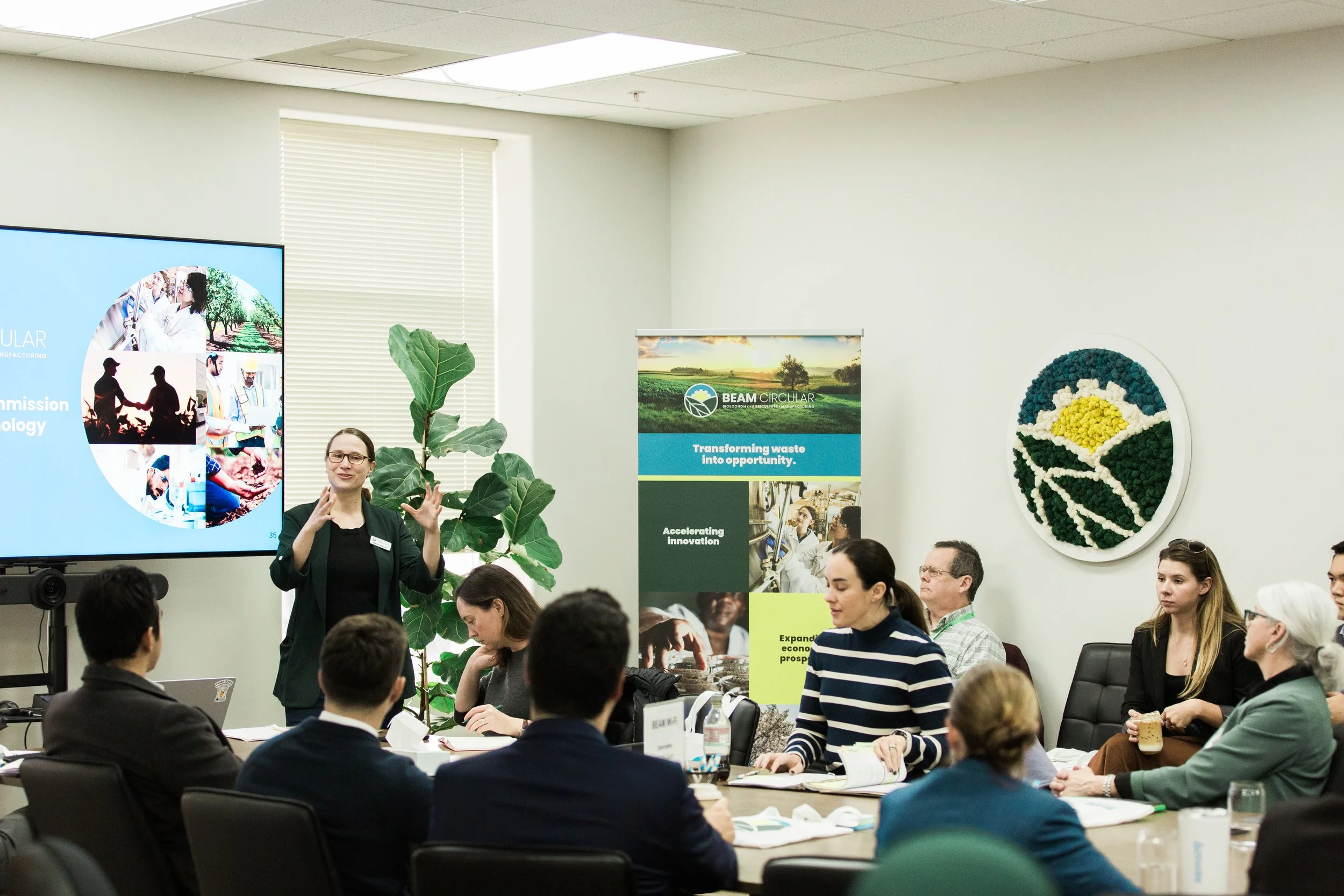
The Commission also participated in a regional business roundtable with BEAM Circular featuring biotechnology entrepreneurs and local manufacturers producing a range of bio-based products. Speakers included executives from Oleo, Optimized Foods, Mango Materials, Divert, and the startup accelerator and venture investor firm gener8tor. The discussion showcased technologies at multiple stages of commercialization, and underscored shared needs around financing, reliable access to feedstocks, and scale-up capacity. Commissioners were also briefed on one of BEAM Circular’s anchor projects, the California Bioeconomy Innovation Campus, a state-of-the-art facility designed to help scale breakthrough technologies that convert agricultural byproducts, food waste, and forestry residues into renewable energy, sustainable materials, and other high-value products.
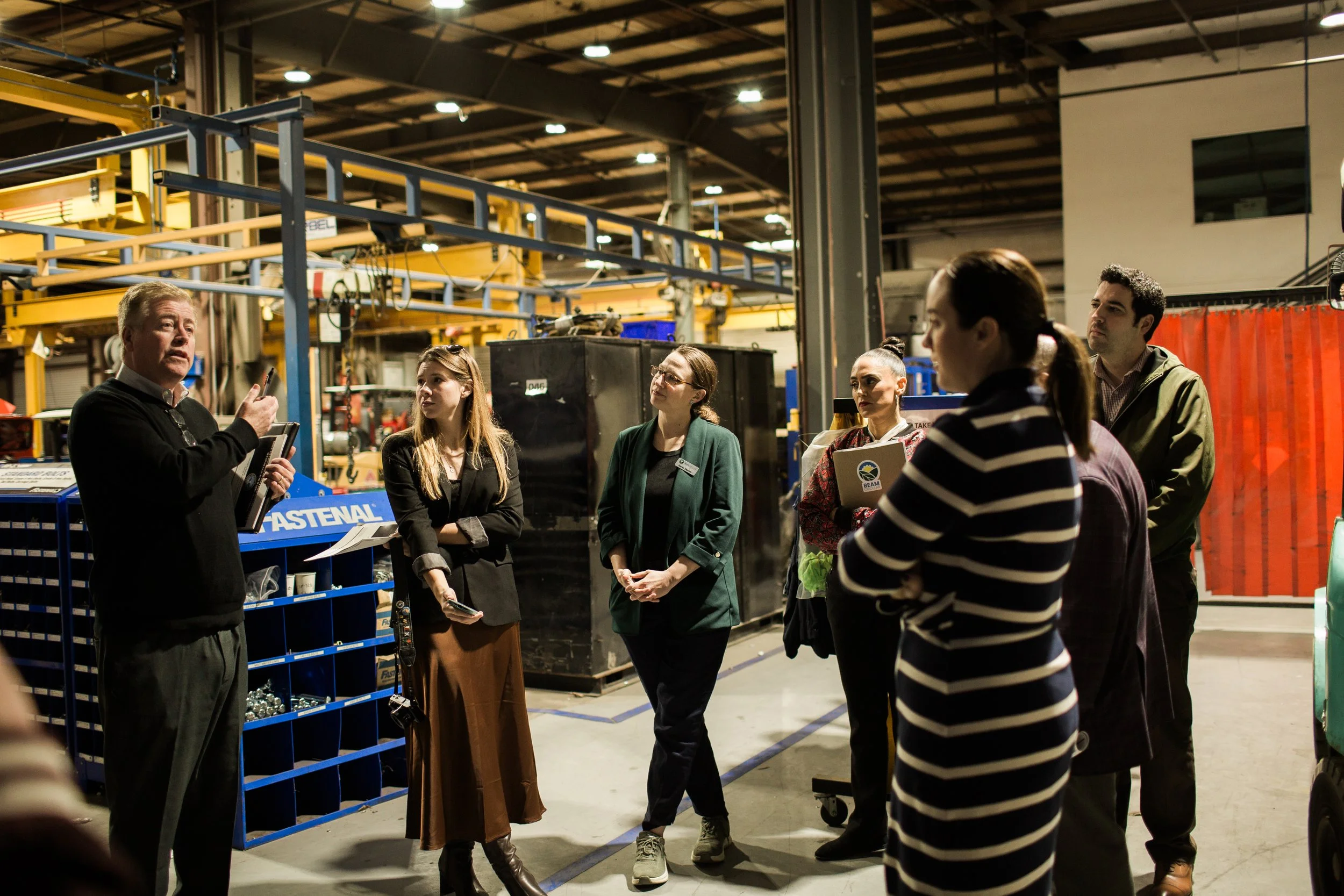
To end the tour, the Commission toured Caribou Biofuels, a local biotechnology company developing systems to convert agricultural residues and organic waste into low-carbon fuels and advanced carbon products. Caribou Biofuels manufactures its equipment in partnership with Salida-based agricultural equipment producer Flory Industries, a further benefit to the local economy and domestic manufacturing supply chain. CEO Kieran Mitchell emphasized the need for investment in early-stage scale-up facilities and infrastructure that supports companies working with complex and heterogeneous feedstocks.
“For companies like ours, the ability to process diverse biomass streams is essential,” Mitchell said. “The Commission’s work highlights the need for practical, on-the-ground support—from pilot-scale infrastructure to permitting pathways—to accelerate bio-based technologies into commercial deployment.”
About BEAM Circular
BEAM Circular is a nonprofit organization building California’s circular bioeconomy through shared infrastructure, partnerships, and programs that connect agriculture, manufacturing, and innovation. Based in the North San Joaquin Valley, BEAM Circular leads regional and statewide initiatives - including the California Bioeconomy Innovation Campus and the CBIO Collaborative - to accelerate technologies that transform waste into valuable products and create inclusive economic opportunity. Learn more at www.beamcircular.org.
About the National Security Commission on Emerging Biotechnology
The National Security Commission on Emerging Biotechnology is a time-limited, high-impact legislative branch advisory entity whose purpose is to advance and secure biotechnology, biomanufacturing, and associated technologies for U.S. national security and to prepare the United States for the bioindustrial revolution. The Commission published a comprehensive report in April 2025, including recommendations for action by Congress and the federal government. The bipartisan Commission is composed of Congressionally-appointed Commissioners with members from both the Senate and the House of Representatives as well as experts from industry, academia, and government. Learn more at biotech.senate.gov.
A press release from the Commission on their California tour can be found here.